
A Surrogate Mourner
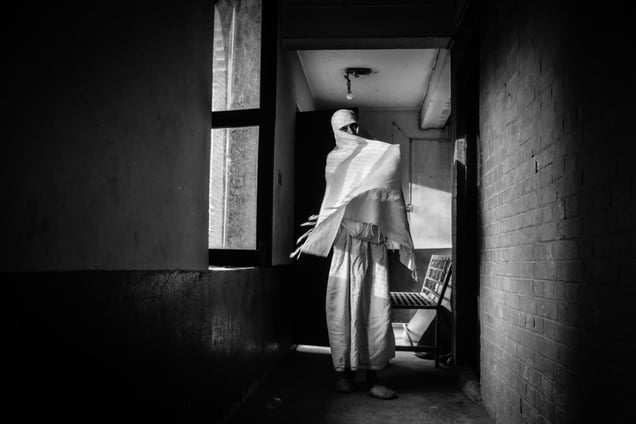
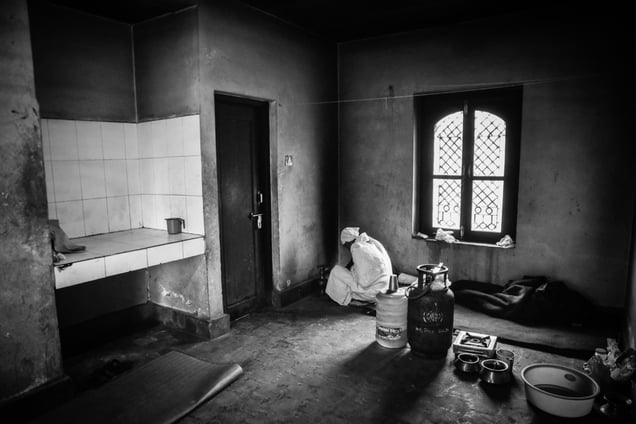
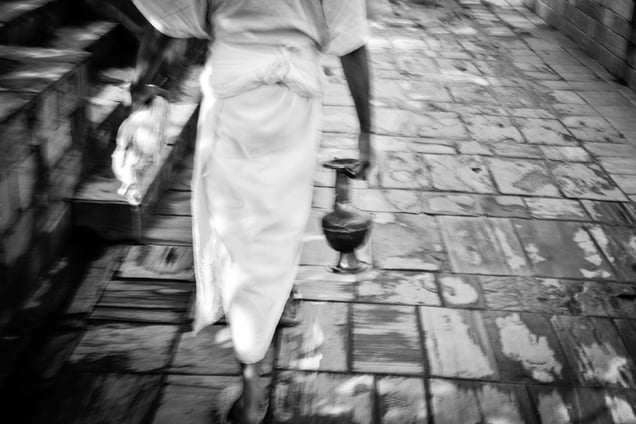
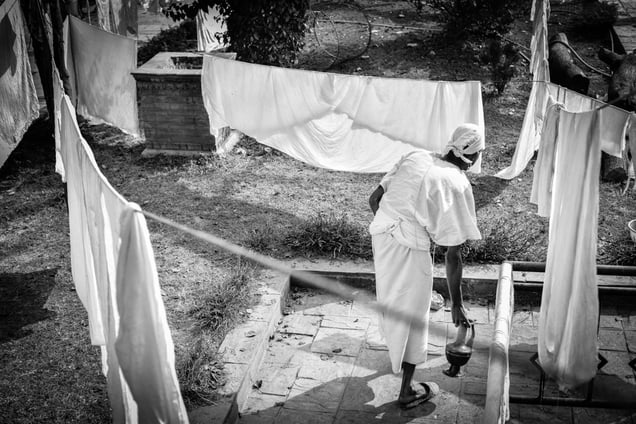
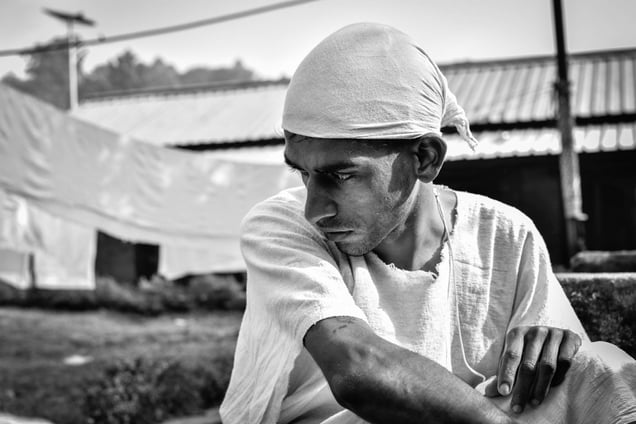
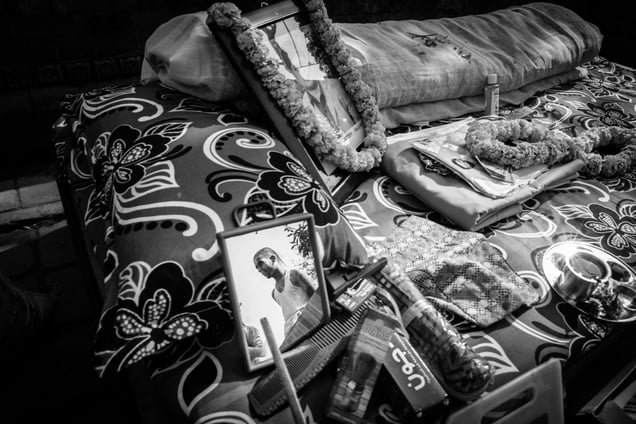
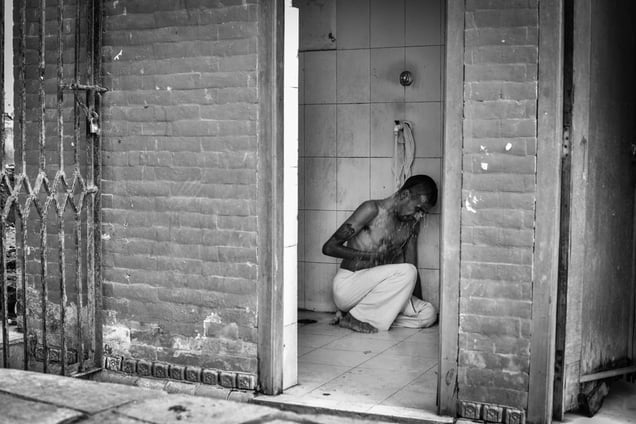
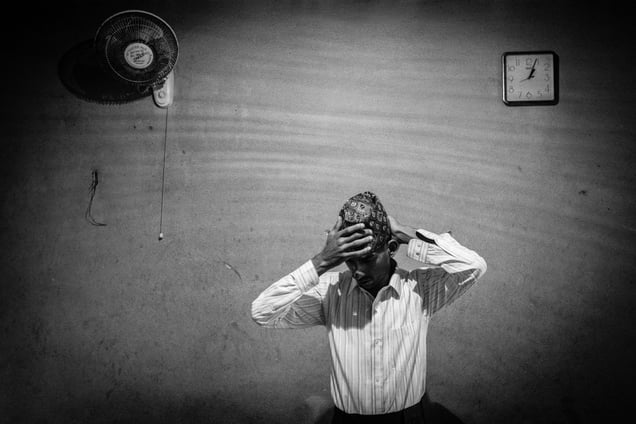
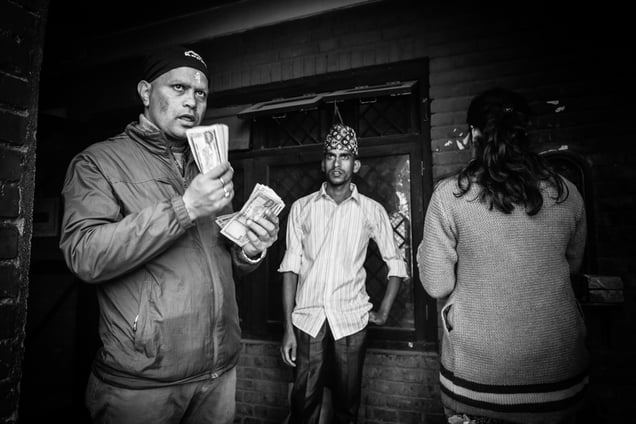
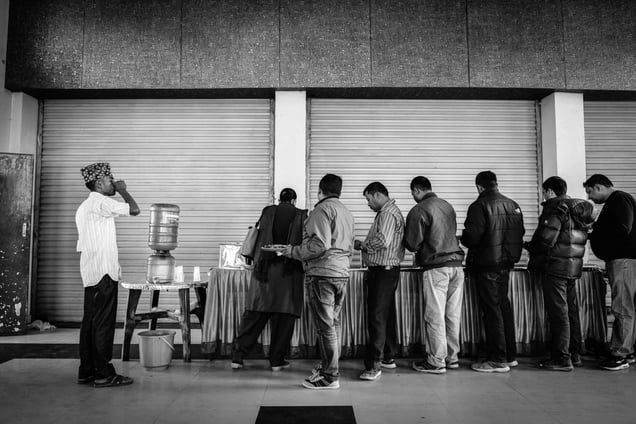
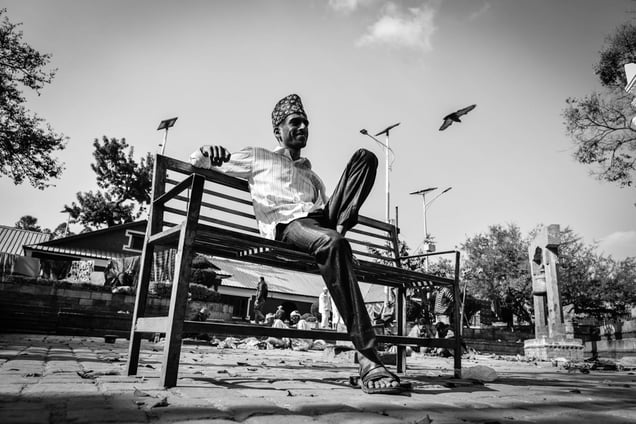
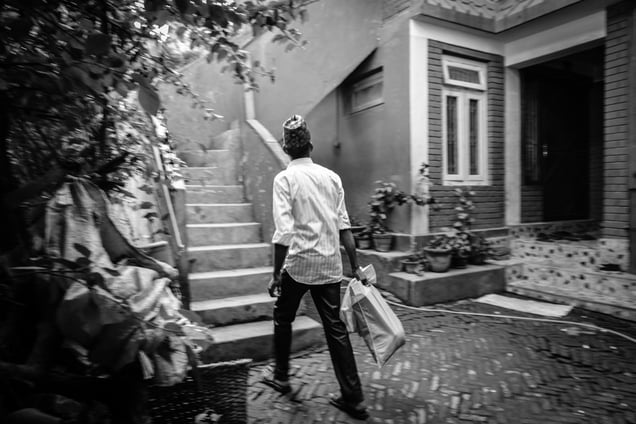
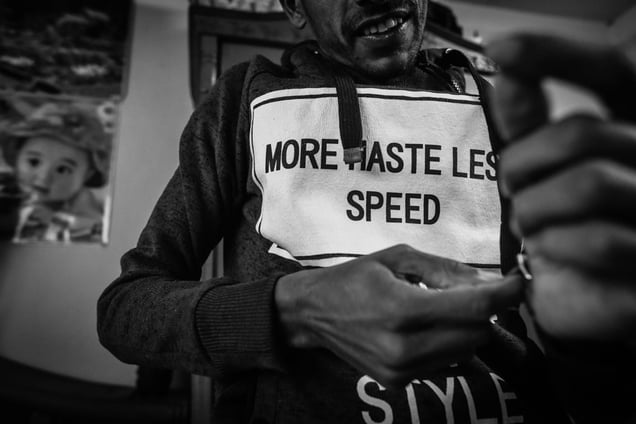
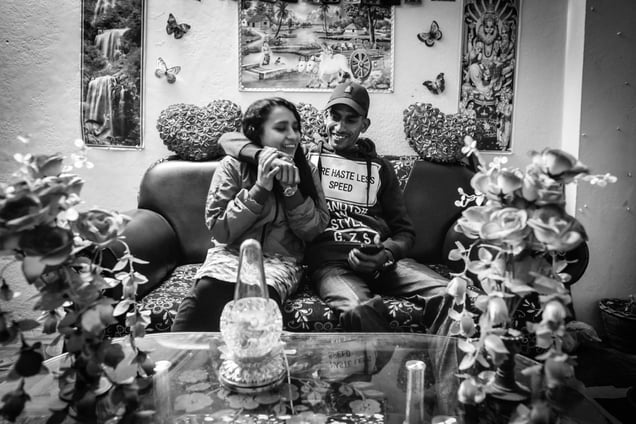
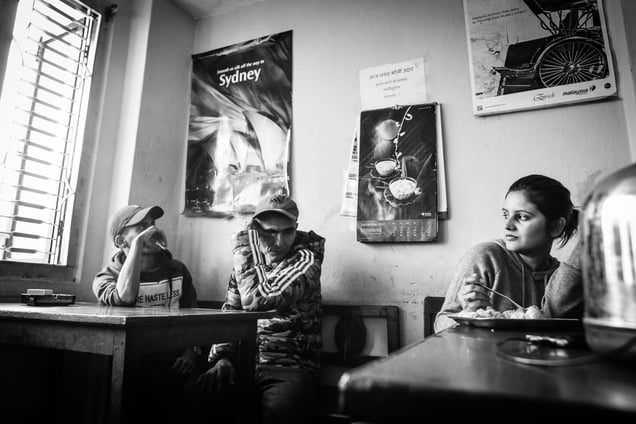
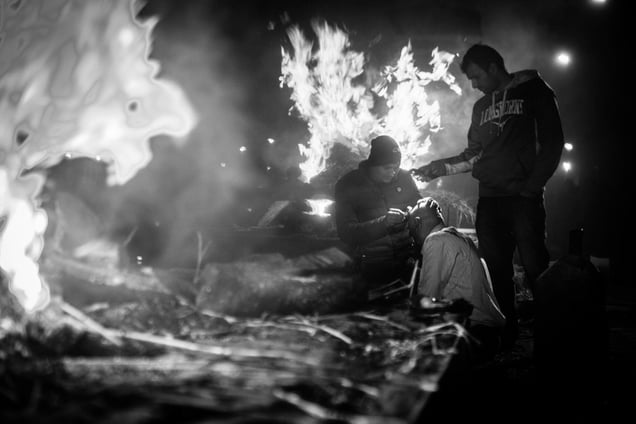
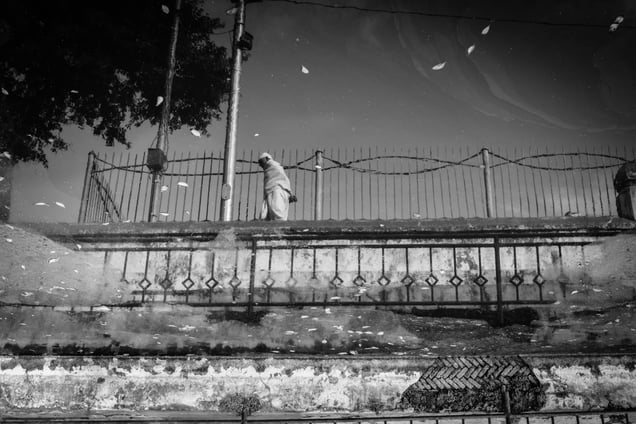
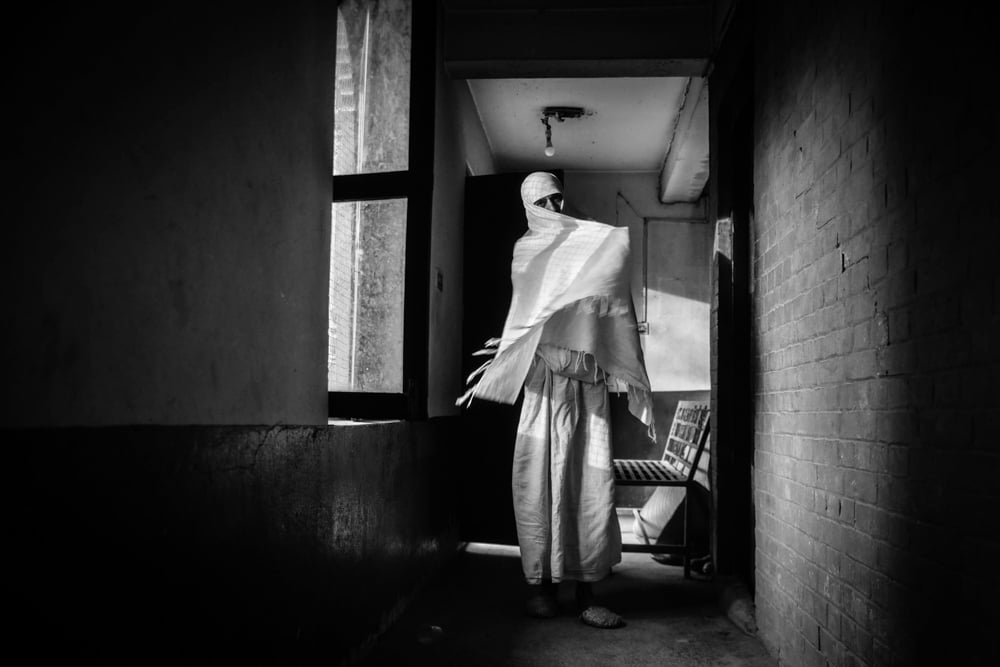
Navaraj Badal, 24, is a mourner by profession. For the past nine years, he has been performing the ‘Kriyaputri’ rituals on behalf of the bereaved. According to Hindu customs, mourning paves the way for the dead to transcend to the spiritual realm. The mourner takes one self-prepared meal a day, abstains from salt, and is forbidden from touching anyone during the thirteen-day ritual. At the time of the COVID pandemic, the roots of these self-isolation rituals and their practicality made even more sense. Immediate family members of the deceased were made to stay in self-isolation so that any illness in the family would not spread to the rest of society. However, people have largely lost the essence of this practice. Hiring surrogate mourners for hefty fees has become an increasing trend for bereaved families without offspring or who cannot commit to the rituals themselves. Even though the profession pays well, the job comes with bouts of social rejection, and the demanding rituals take a toll on the mourner’s physical health. “It was difficult to find a bride for me because of what I do for a living,” said Badal. “I don’t even know what to write under the ‘occupation’ field when filling up official forms.” I was intrigued by how traditions have given way to expedience, and how mourning has become quite a profitable profession. It seems to demonstrate the underlying conflict between tradition and modernity. The rituals of mourning are transferable, but is grief?
No categories selected
Photos (20)