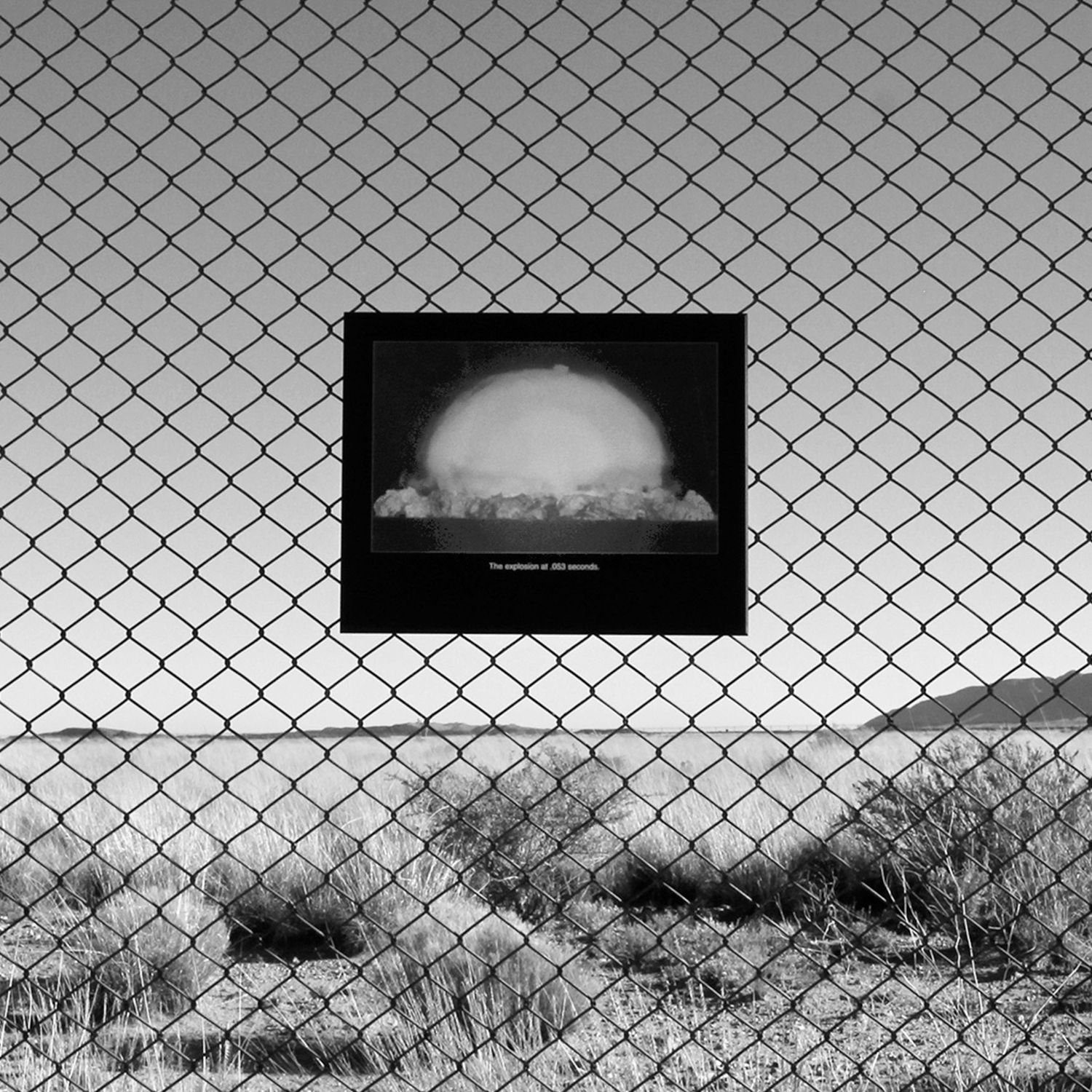

Nuclear Landscapes
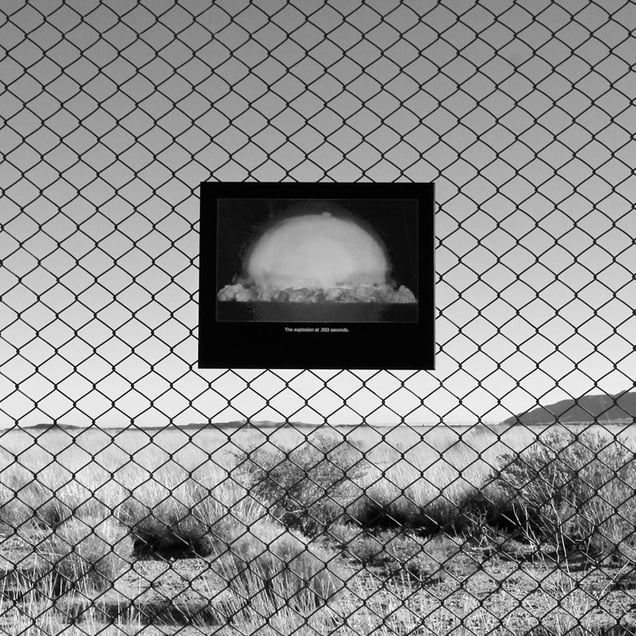
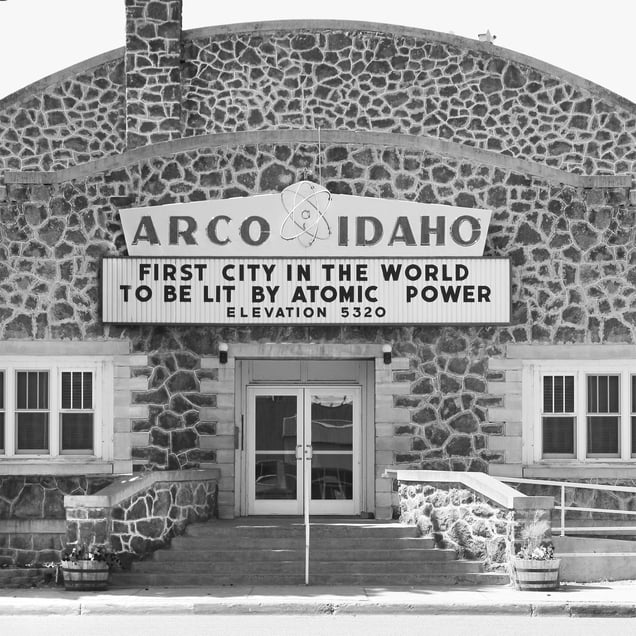
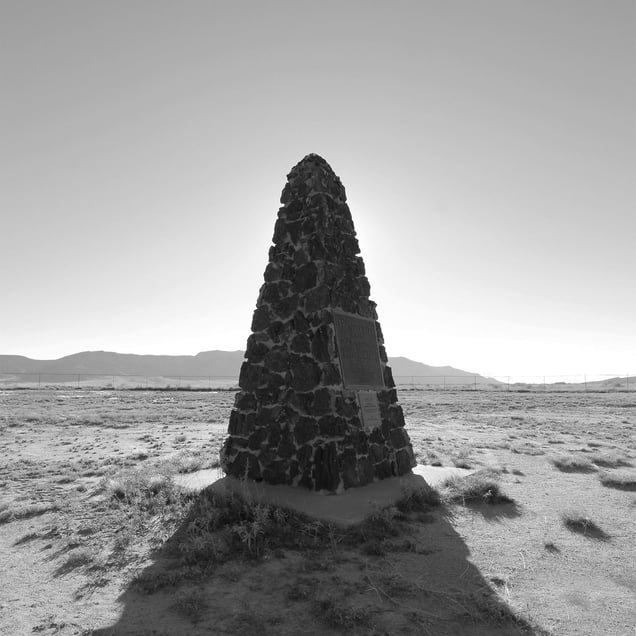
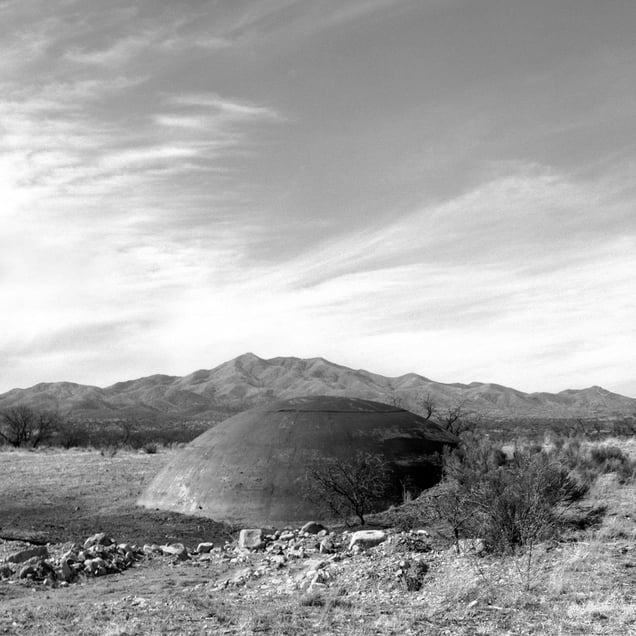
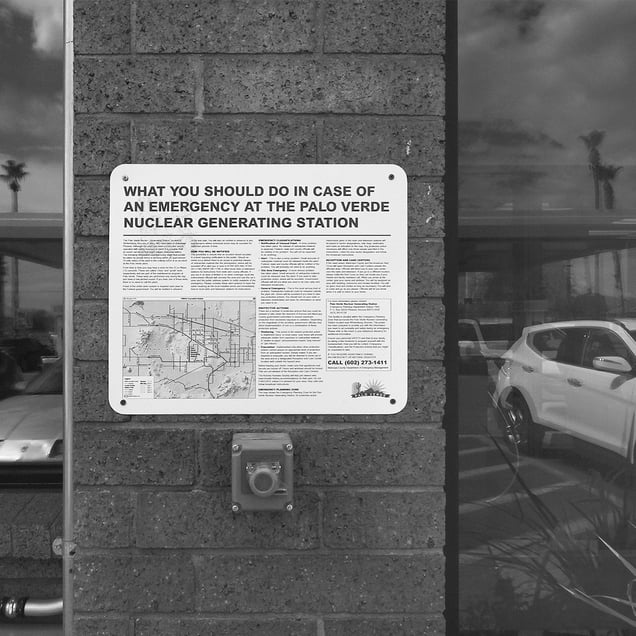
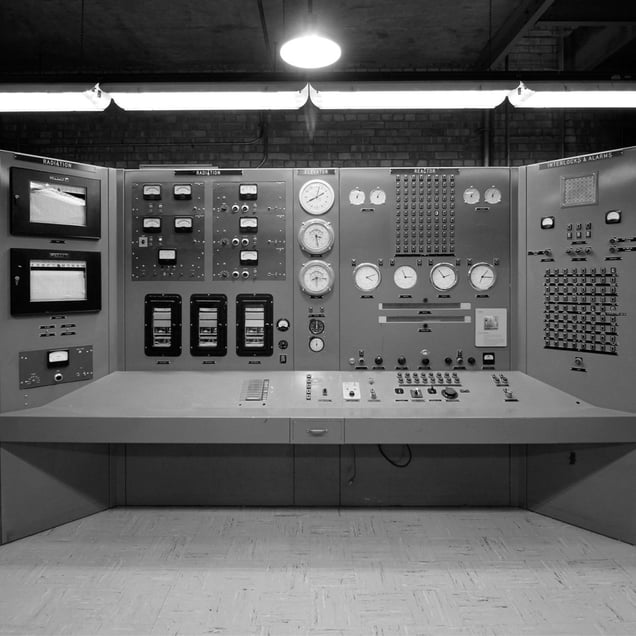
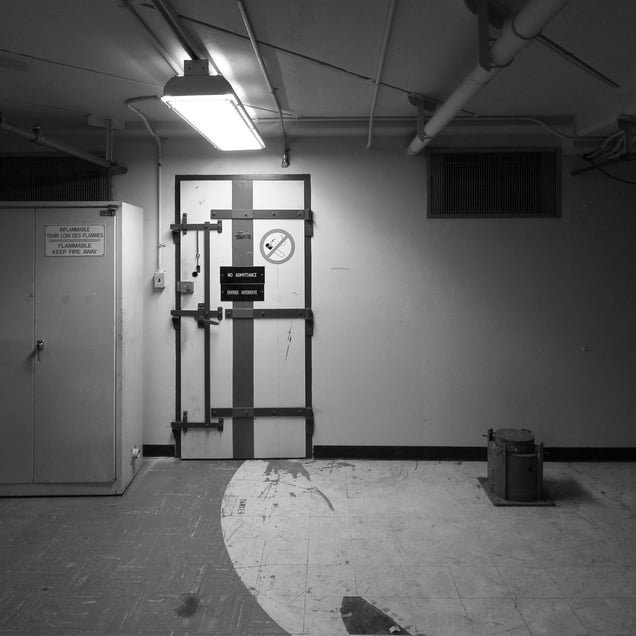
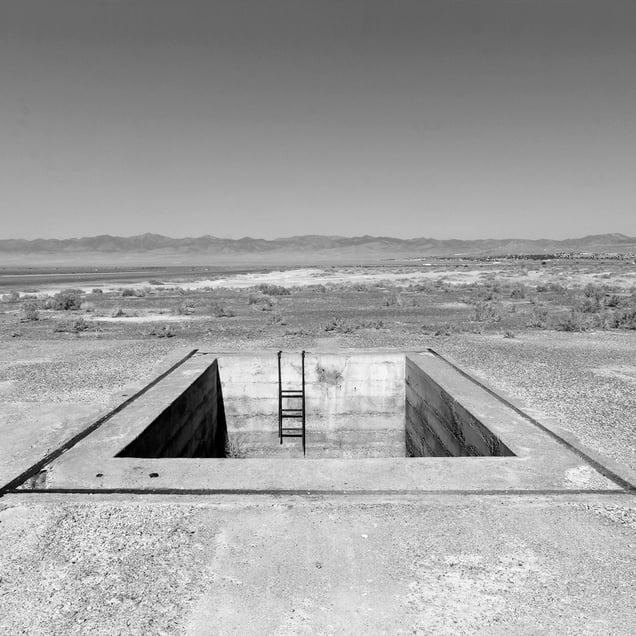
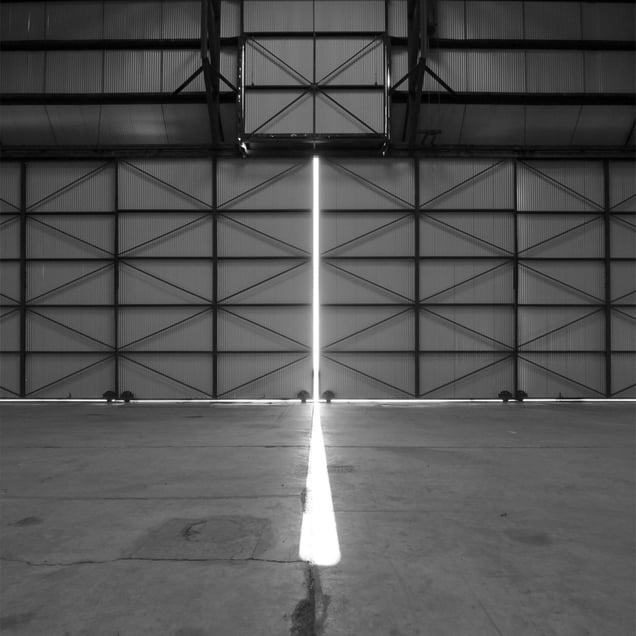
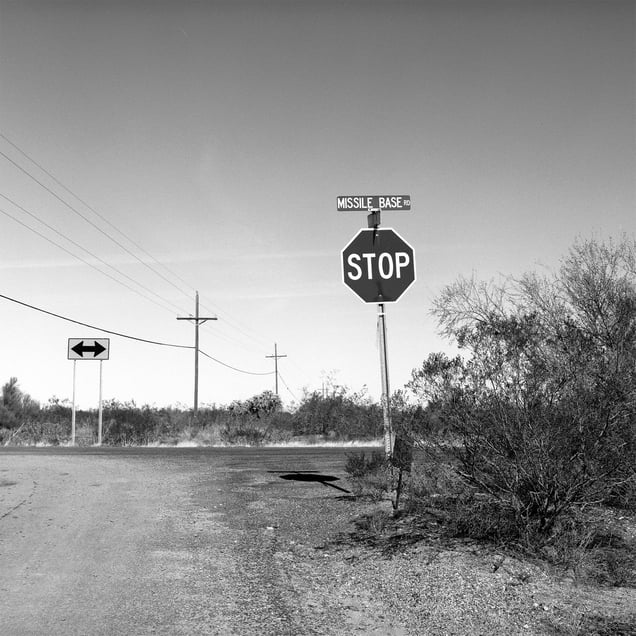
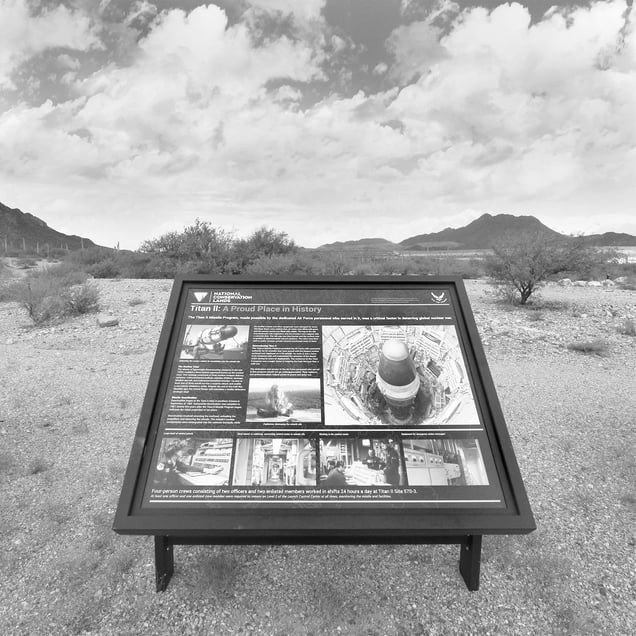
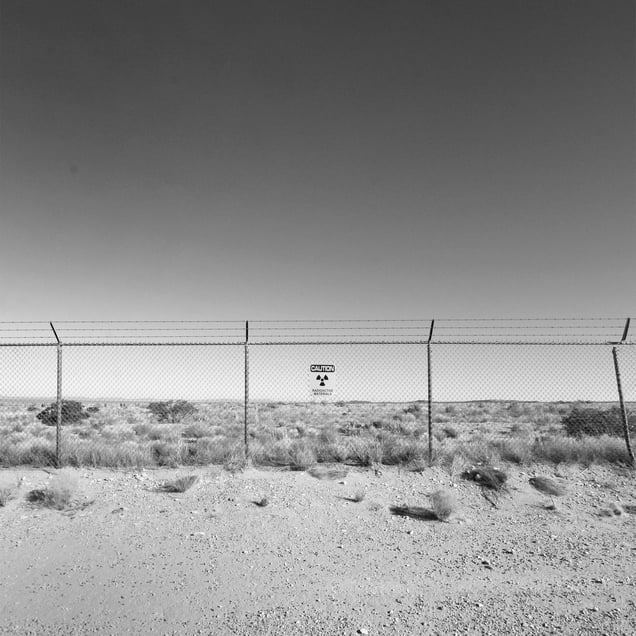
The Atomic Age is the period of history that commenced following the detonation of the first atomic bomb - Trinity - on July 16, 1945. Nuclear chain reactions had been hypothesized in 1933 and the first artificial self-sustaining nuclear chain reaction had taken place in December 1942, the Trinity test and subsequent bombings of Hiroshima and Nagasaki that ended World War II represented the first large-scale use of nuclear technology and ushered in profound changes in sociopolitical thinking and the course of technology development. At the time, atomic power was promoted as the epitome of progress and modernity, but with it came the threats of nuclear warfare and nuclear disasters. The United States Atomic Energy Commission predicted that, by the turn of the 21st century, one thousand reactors would be producing electricity for homes and businesses across the U.S. The reality far short of what was promised because nuclear technology produced a range of social problems, from the nuclear arms race to nuclear meltdowns, and the unresolved difficulties of bomb plant cleanup and civilian plant waste disposal and decommissioning. Much of the development, testing, and disposal of nuclear material in the United States has taken place in the west. Abandoned uranium mining towns, decaying atomic test sites, old nuclear reactors, and decommissioned nuclear missile bases are strewn across the western landscape and stand as an eerie testament to a period of time that was meant to revolutionize civilization.
No categories selected
Photos (12)