
HeadStrong...The Quarry Workers
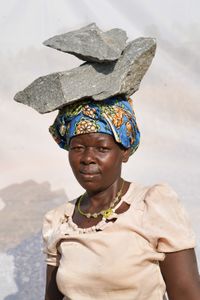
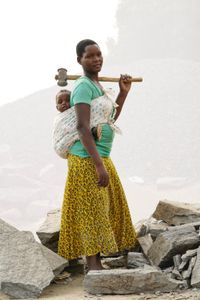
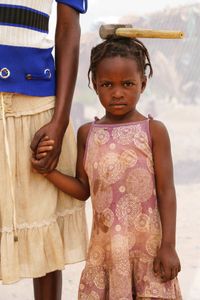
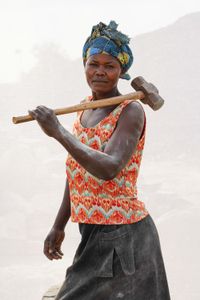
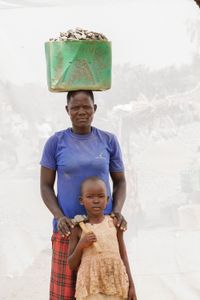
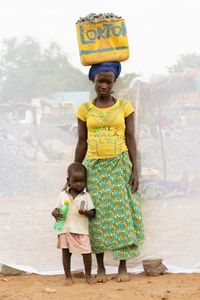
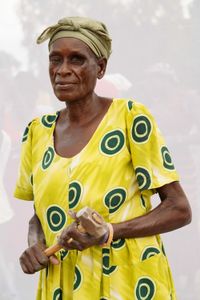
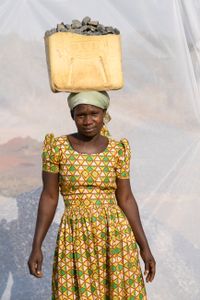
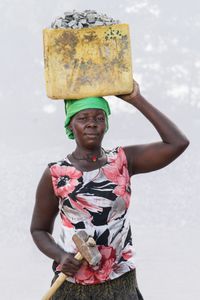
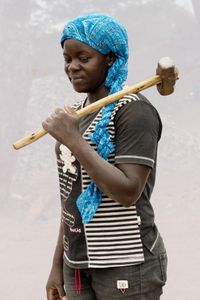
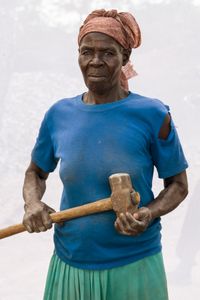
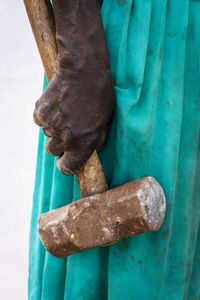
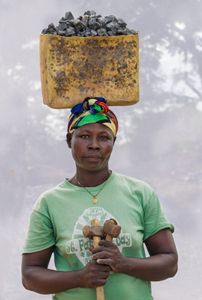
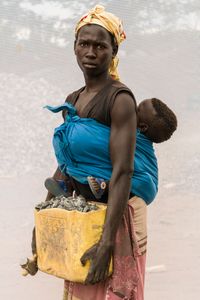
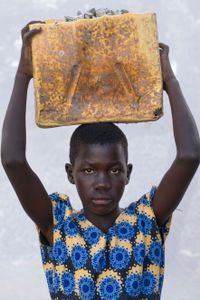
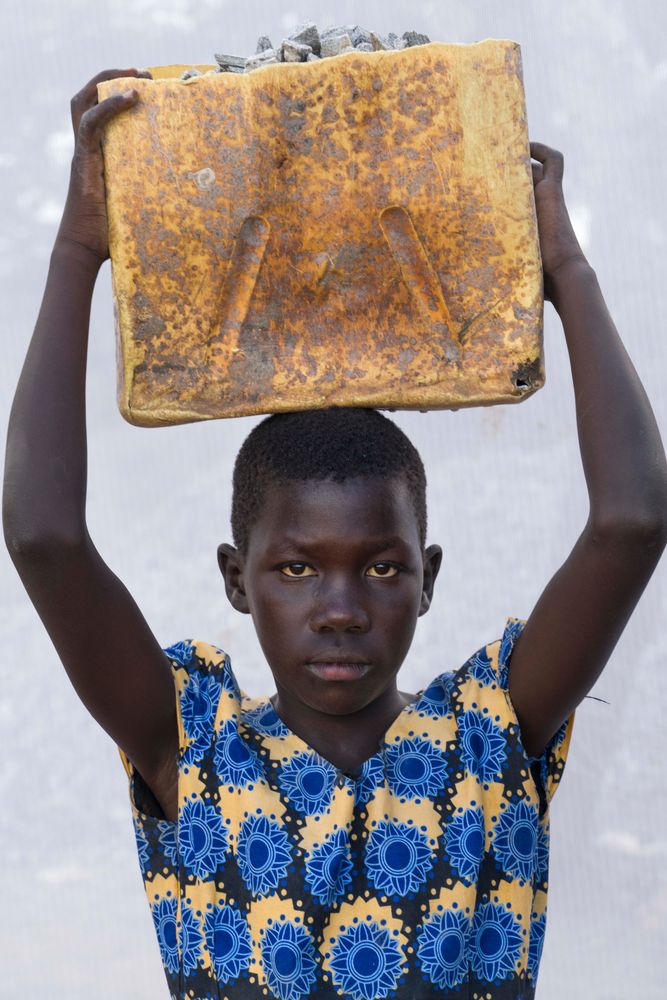
The quarry workers in Gulu, are all women who work to support their families, earning anywhere from $3.00 USD to $4.00 USD a day for breaking large rocks into gravel size stones. HeadStrong is an ongoing photographic and storytelling project focusing on working women in rural Uganda. These women are at a critical crossroads in their agrarian society. Emerging from a history of war and economic uncertainty, women are the tipping point of a future with more possibilities for their gender and offspring. As their accompanying stories reveal, many are hampered by lack of education and opportunities for themselves and their children. Yet, most have hope. During four trips to Uganda as a volunteer, I interacted with many women in rural areas. Impressed by the women's work ethic, poise, sense of humor, and resilience, I initially embarked on this project for esthetic reasons: a desire to showcase their personas in Uganda's natural light. As this project progressed, I realized that a broader community should hear their stories. Because Uganda has one of the world's fastest-growing and youngest populations (15.9 years median age), women's roles are critical to ensuring economic, intellectual, and societal success in the future. Childrearing and domestic tasks are almost entirely the responsibility of women; in rural communities, women are often the family's primary wage earners. These facts directly impact the lives of women. As a life-long professional portrait photographer, I chose to combine the power of portraiture with the women's own stories to portray their individuality and endurance. Aware of my outsider status and insufficient knowledge of Ugandan society, I partnered with Beatrice Lamwaka, an award-winning Ugandan author, who brings an essential East African female viewpoint to this project. Lamwaka interviewed the women and then wrote a biographical narrative, which includes aspirations, to accompany her portrait. These texts are an integral part of HeadStrong. Each woman expressed herself through personal choices of work clothing and accessories. Their direct gaze powerfully conveys their sense of self and ownership in presenting themselves to the viewer. I chose mosquito netting to physically separate the women from their chaotic surroundings while alluding to the region's paucity of medical care. The titles include documentary details that provide context for the portraits.
No categories selected
Photos (15)