
Memorialise
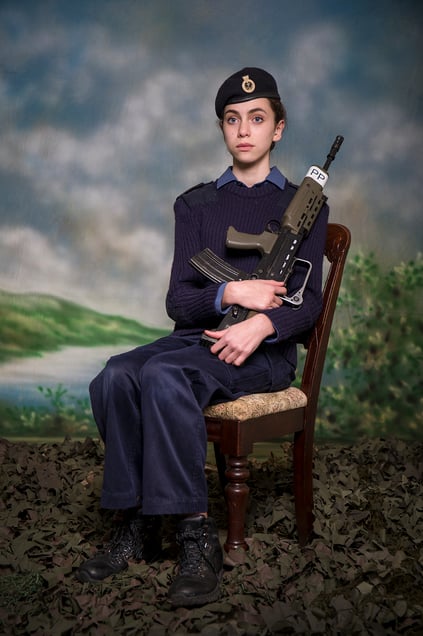
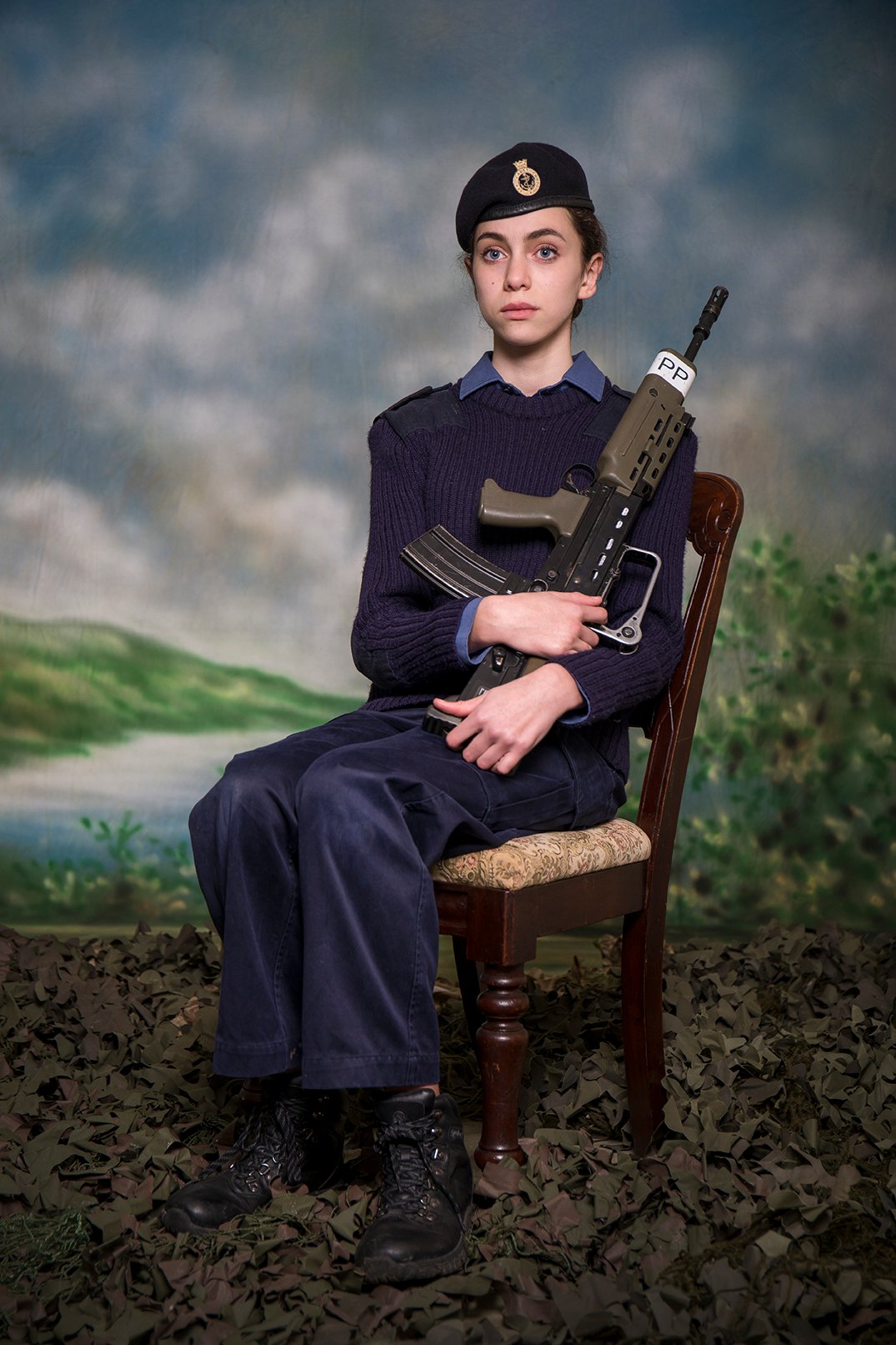
Delving into the rich historical tradition of military portraiture, I find myself captivated by its enduring legacy that spans centuries. Beginning in the 17th century, commissioned officers sought to immortalise their presence through the meticulous brushstrokes of skilled painters. This practice transcended the realm of personal vanity, evolving into a profound source of pride and identity, deeply entwined with the regiments they served and the dynasties of their families. This storied tradition prevailed until the advent of photography, a transformative moment that shifted the art of portraiture. With the emergence of the camera, the practice of preserving one's military persona transitioned from painted canvases to photographic plates. This transition gained prominence during pivotal conflicts like the Crimean and Boer Wars, ultimately becoming a ubiquitous custom by the time of the First World War. It was no longer limited to officers; every member of the armed forces sought to capture their likeness through the lens of a camera. By the time of the First World War, military portrait photography had developed its own distinctive visual language, often created within studio environments where painted backdrops depicted pastoral landscapes, stately interiors, or idealised scenes of home and nation. These carefully constructed settings offered soldiers a sense of dignity and reassurance, presenting them as composed and heroic figures at a moment when the realities of war were uncertain and often brutal. In referencing this tradition, to my portrait, it adopts the familiar conventions of the classic military portrait while simultaneously unsettling them. The Portrait prompts reflection on innocence, vulnerability, and the inheritance of conflict. At a time when wars continue to unfold across the world, this image feels particularly urgent, becoming more compelling and meaningful than ever as it asks viewers to consider how the visual traditions of war persist, and how their symbolism resonates in contemporary contexts.
No categories selected
Photos (1)