Knoydart
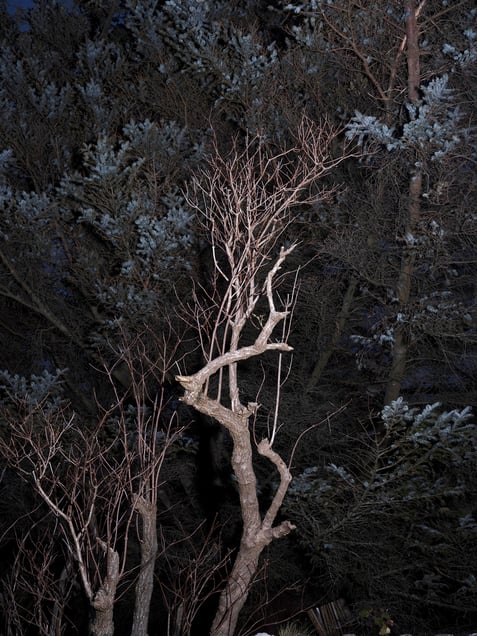
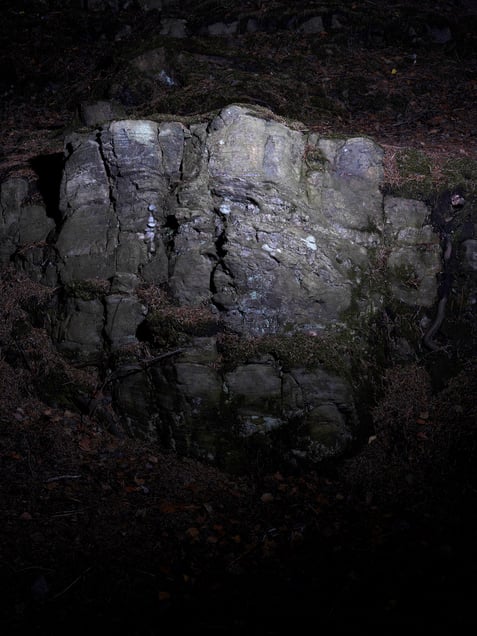
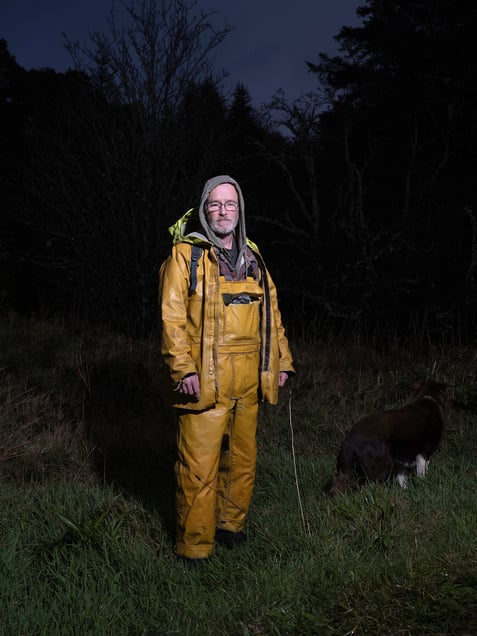
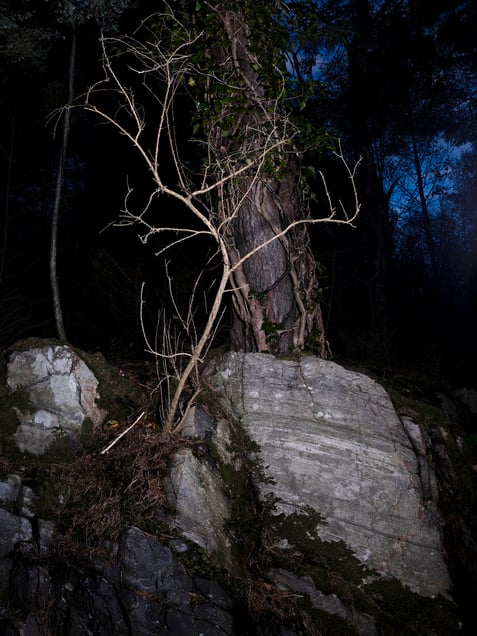
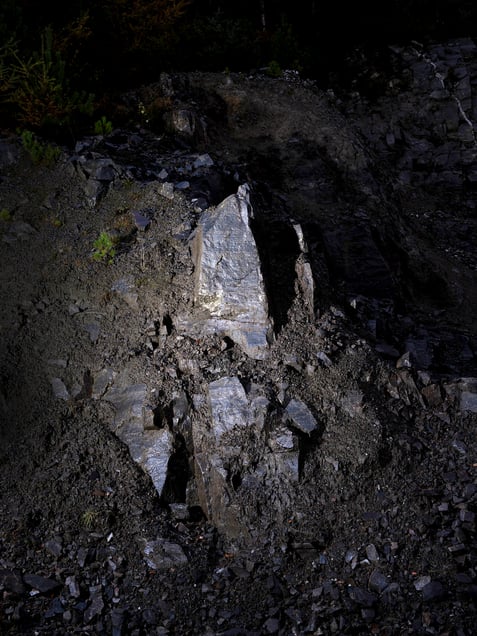
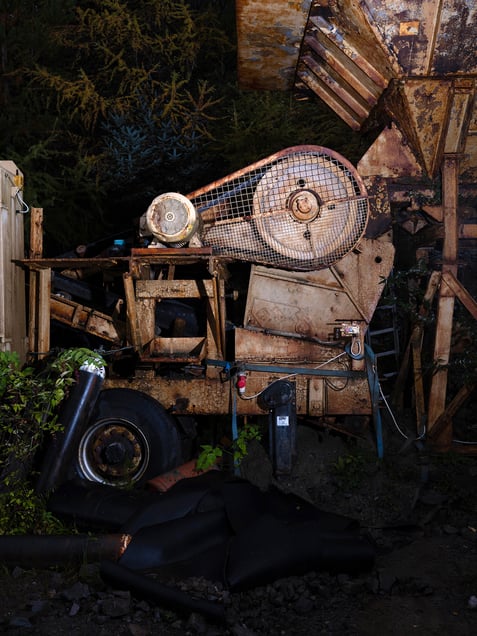
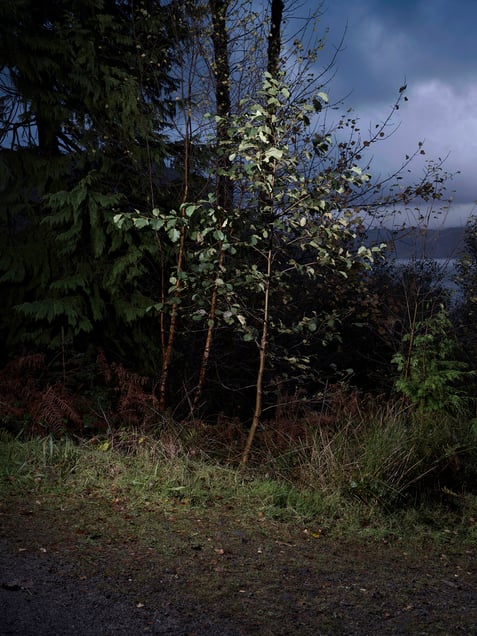
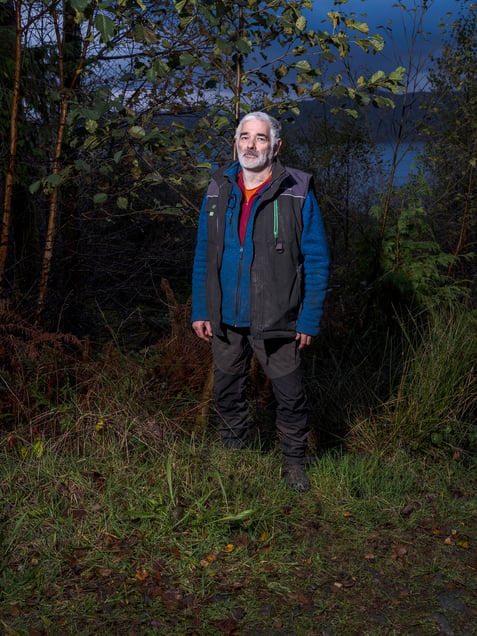
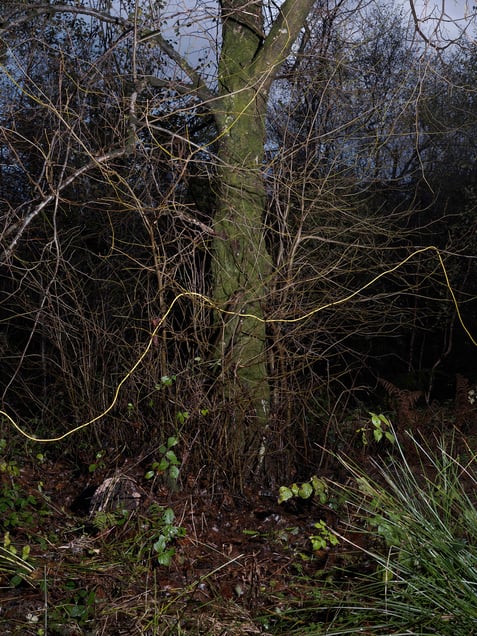
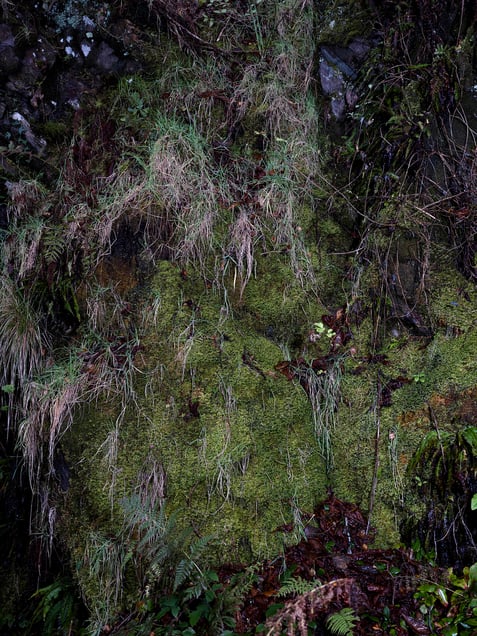
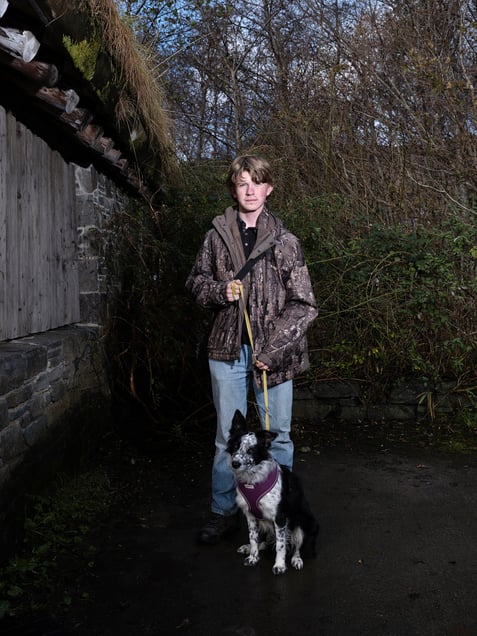
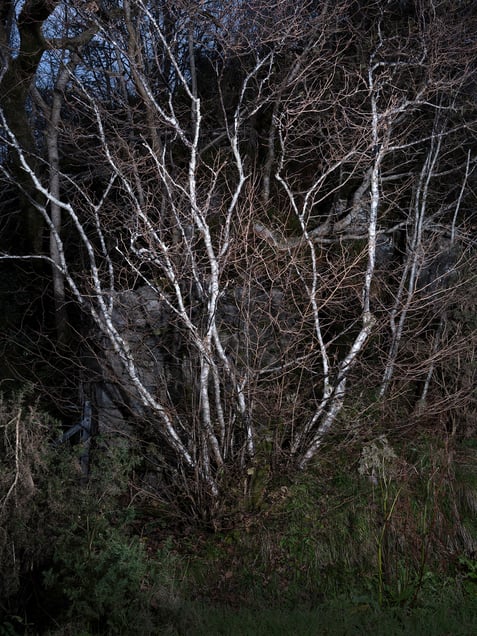
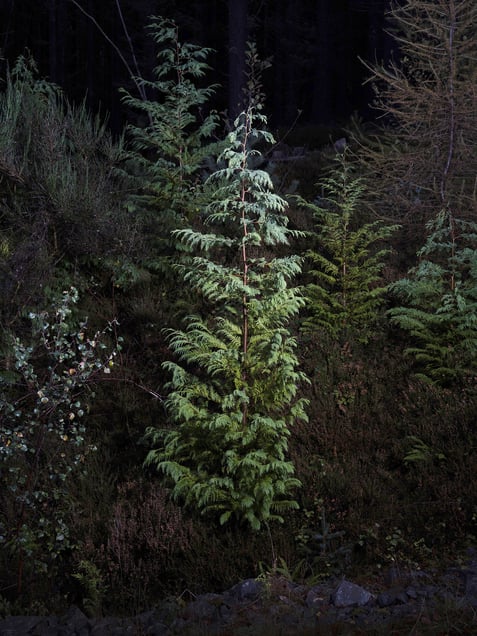
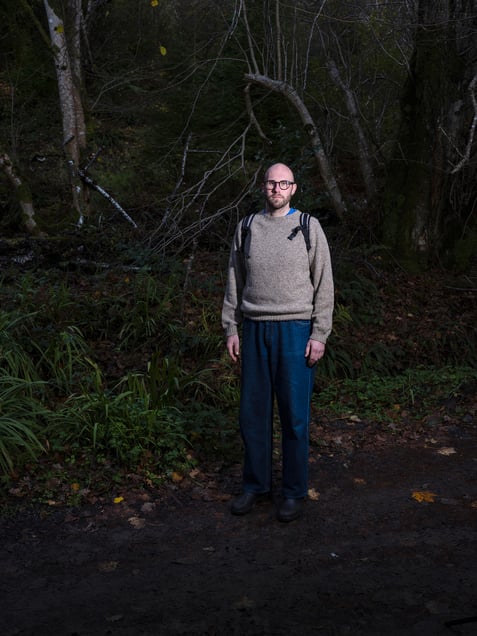
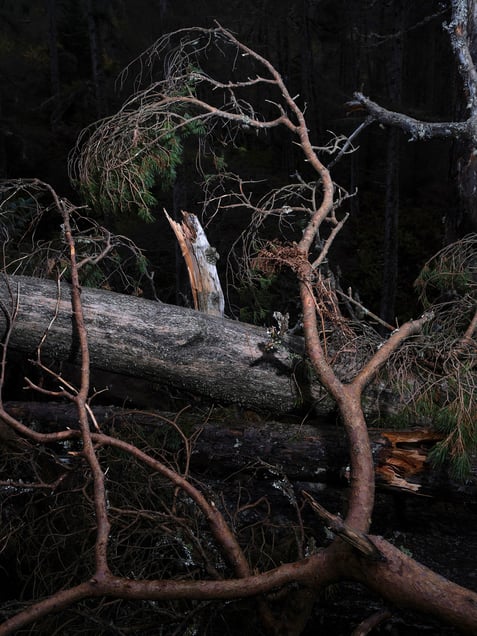
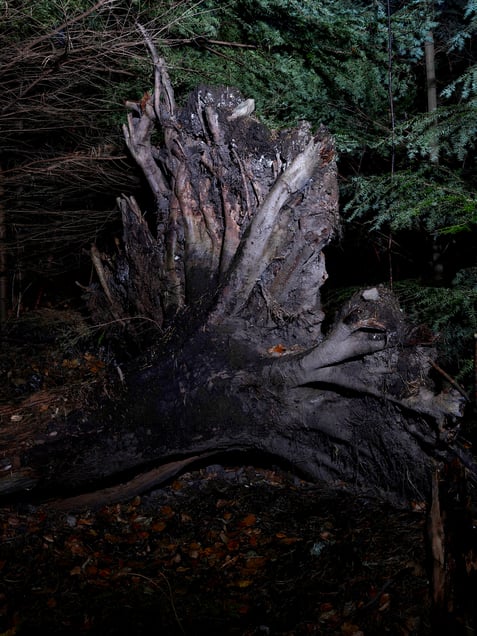
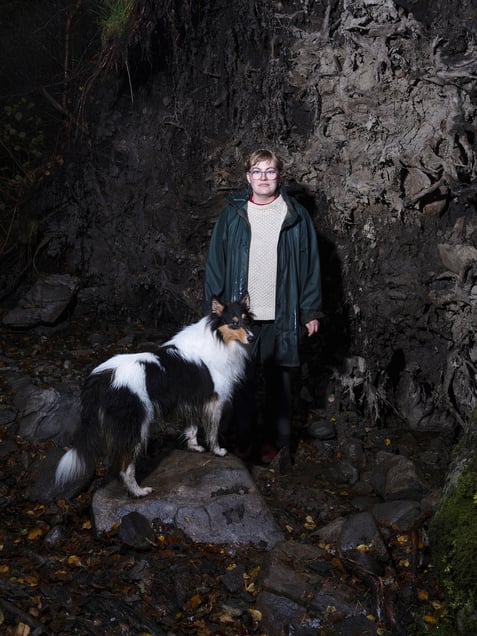
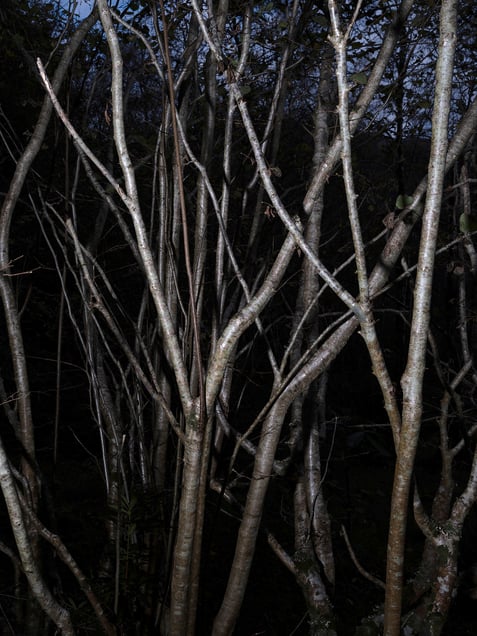
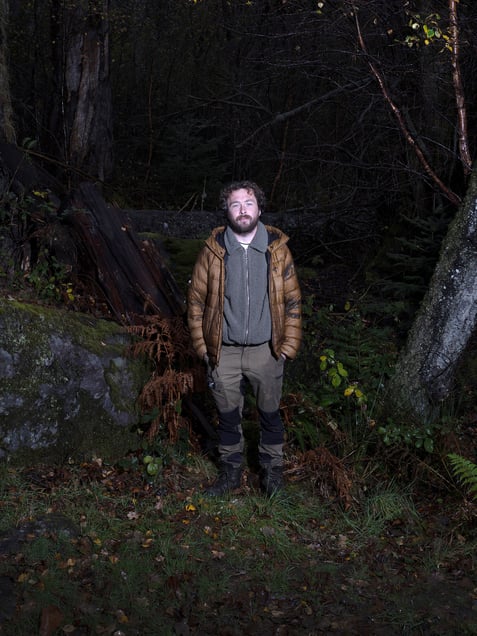
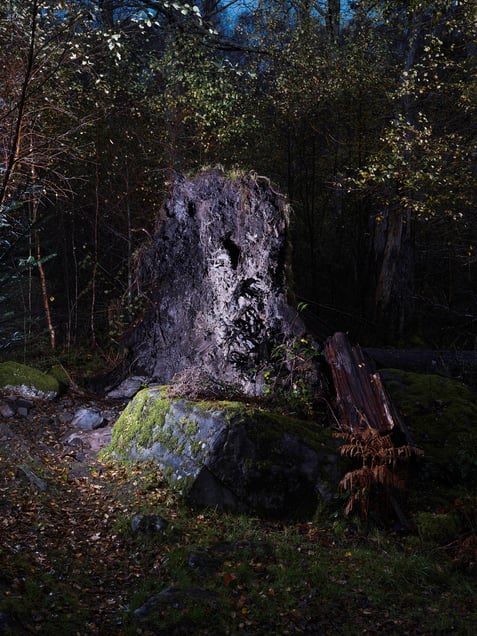
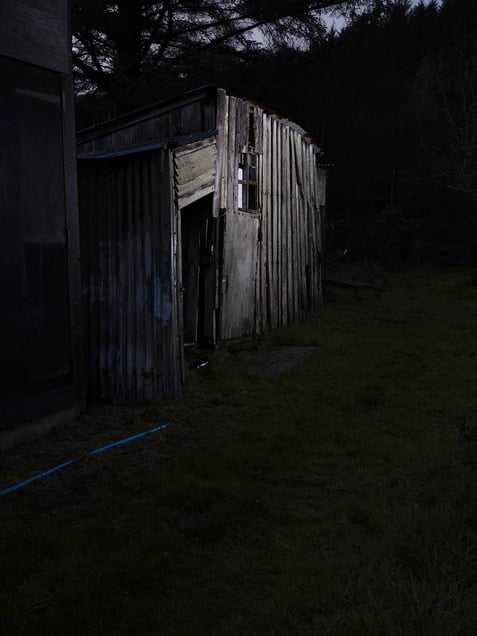
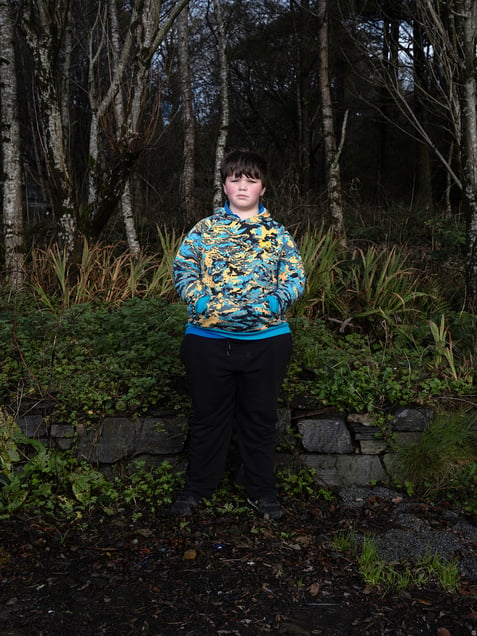
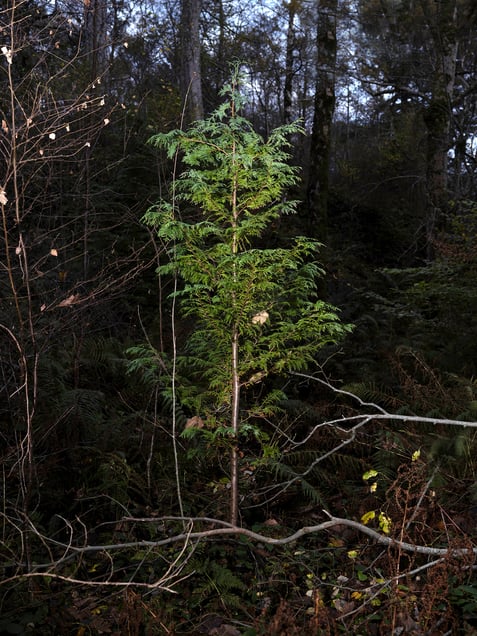
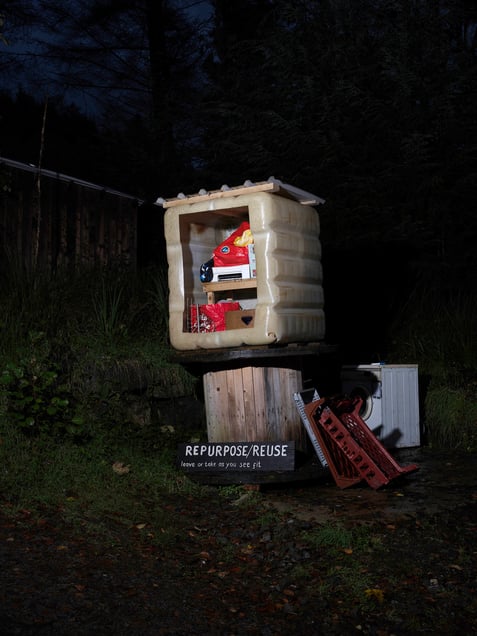
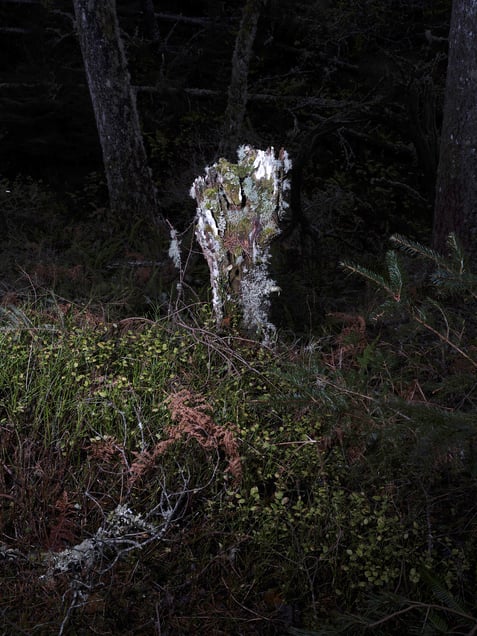
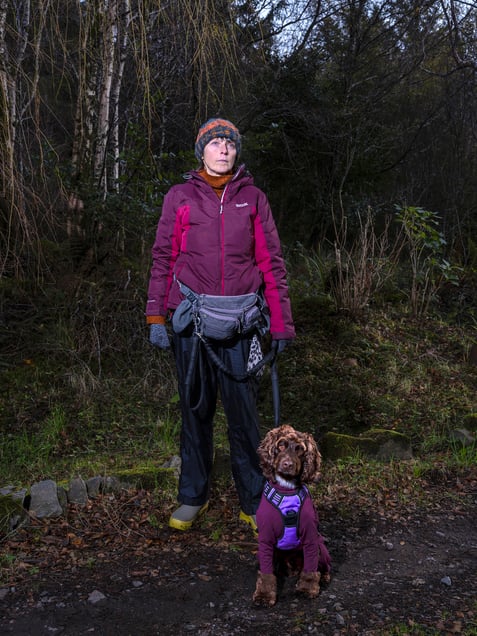
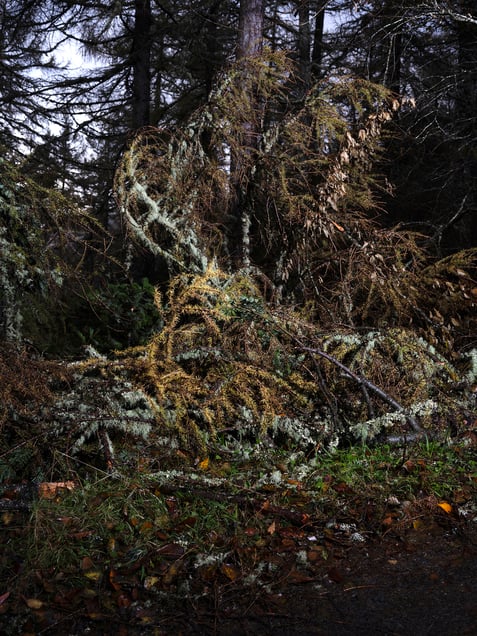
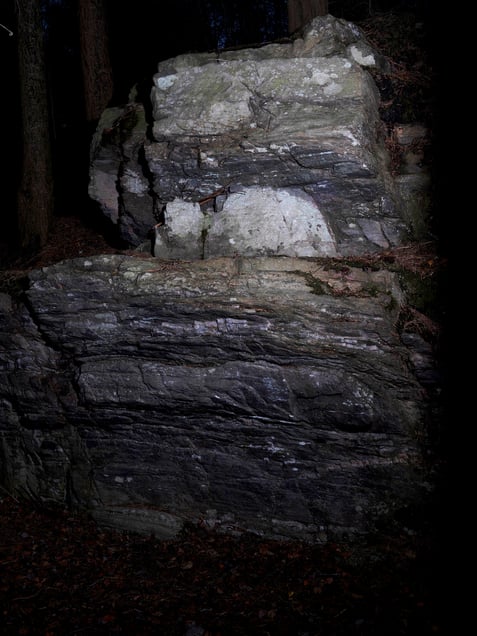
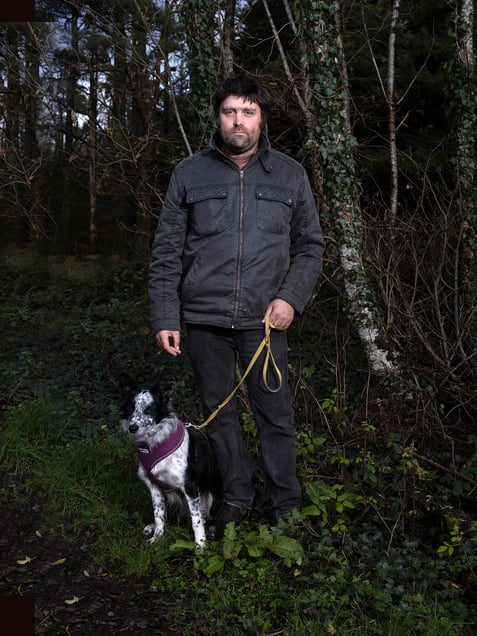
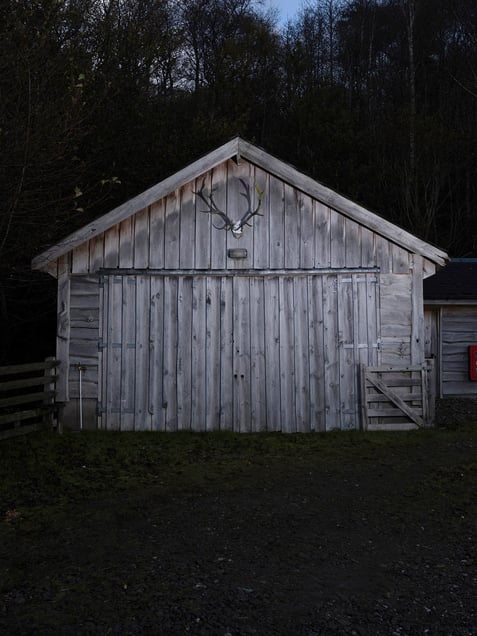
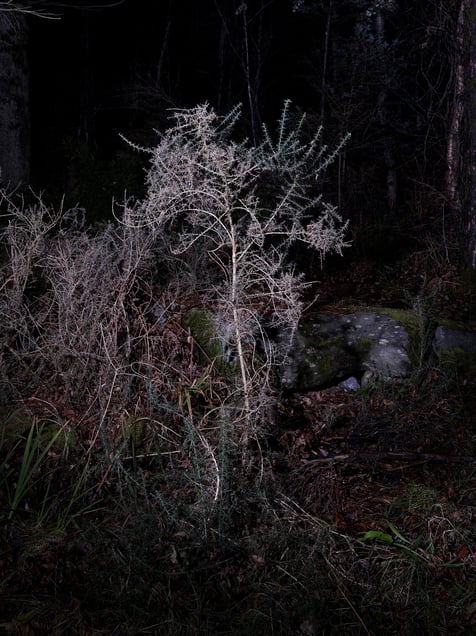
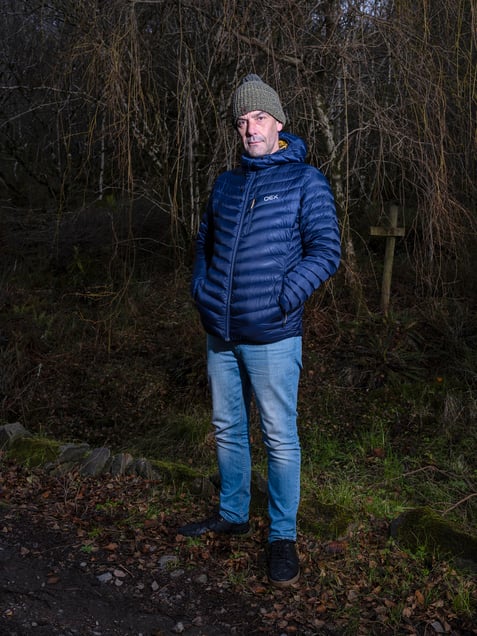
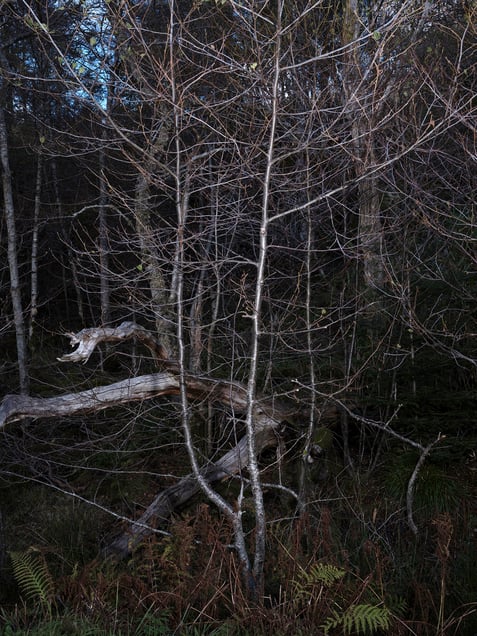
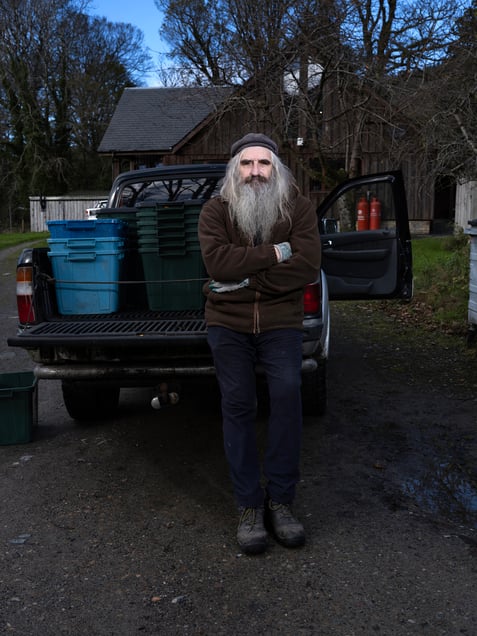
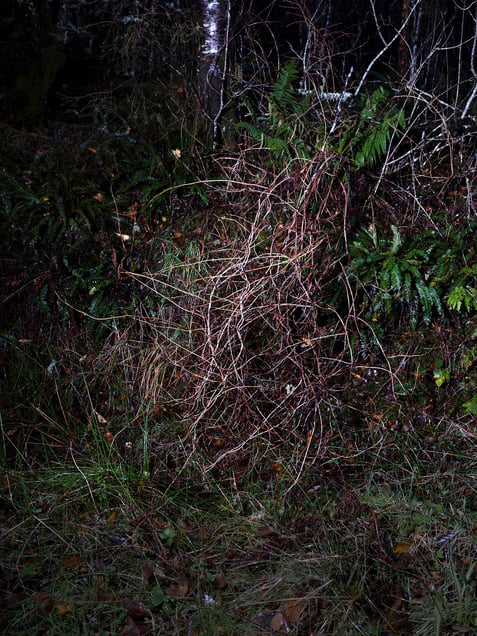
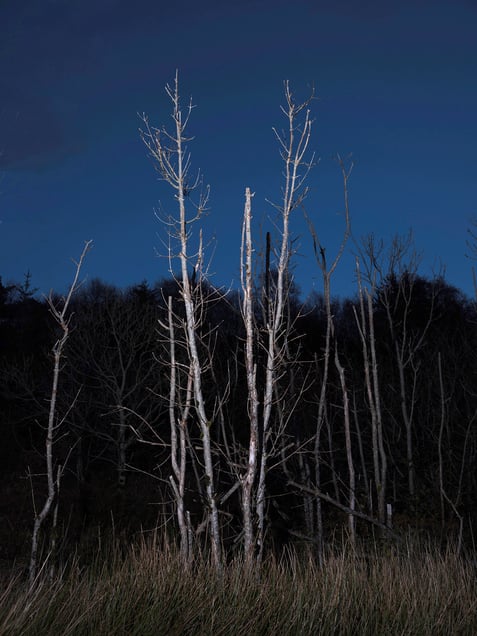
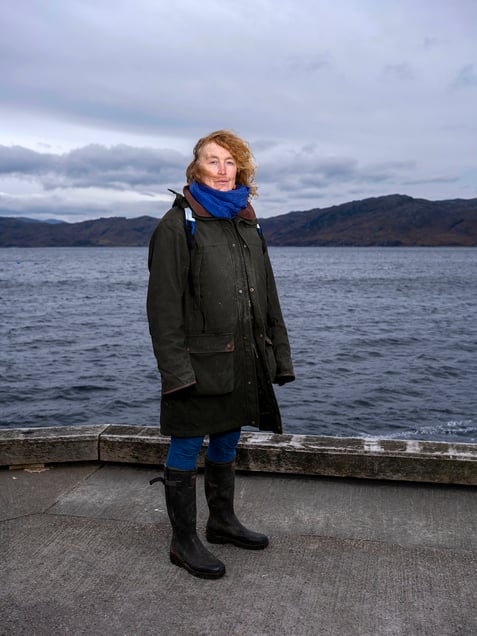
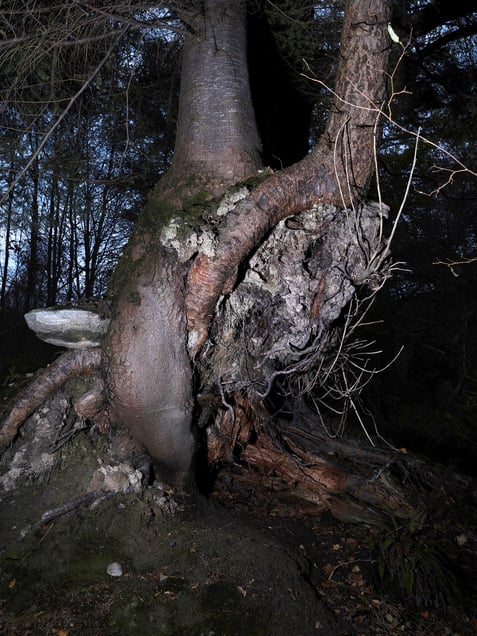
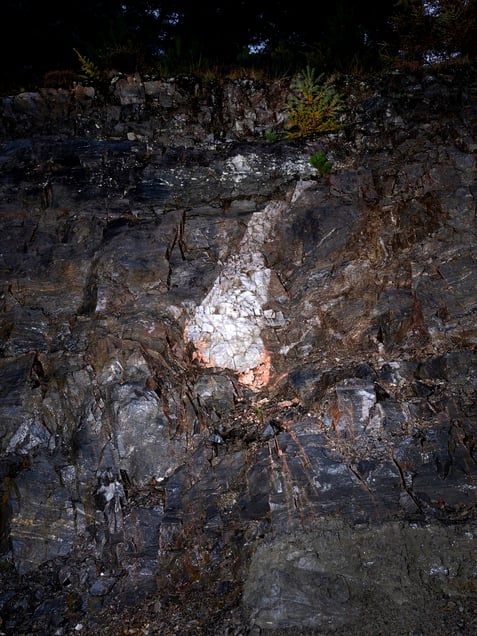
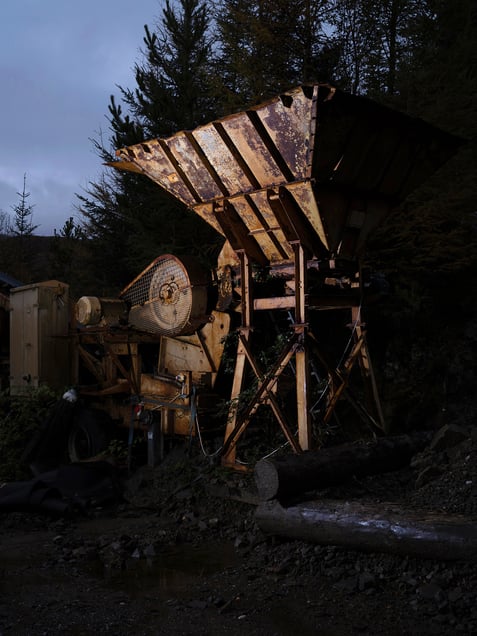
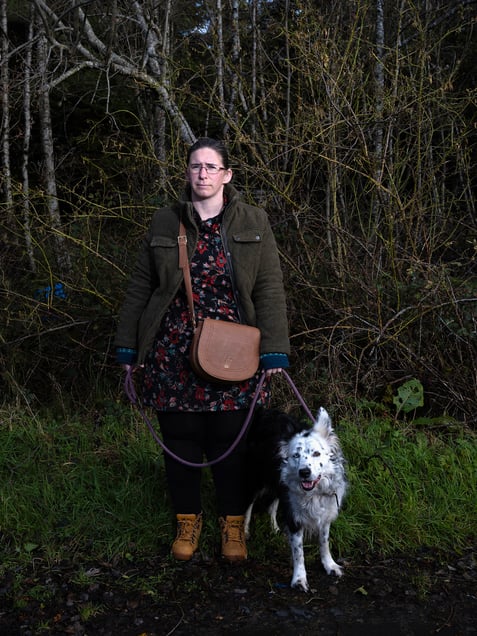
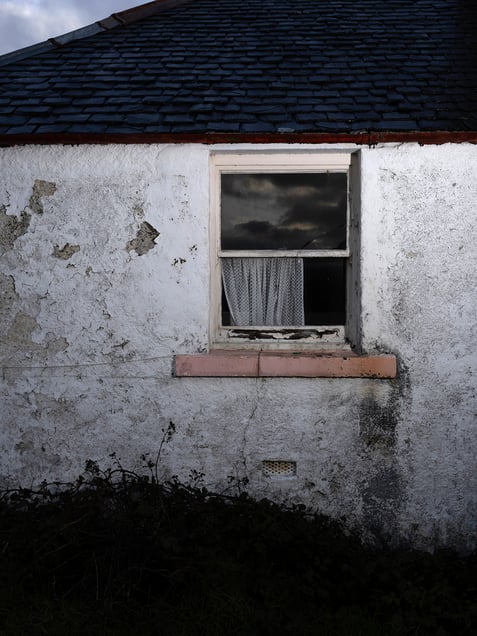
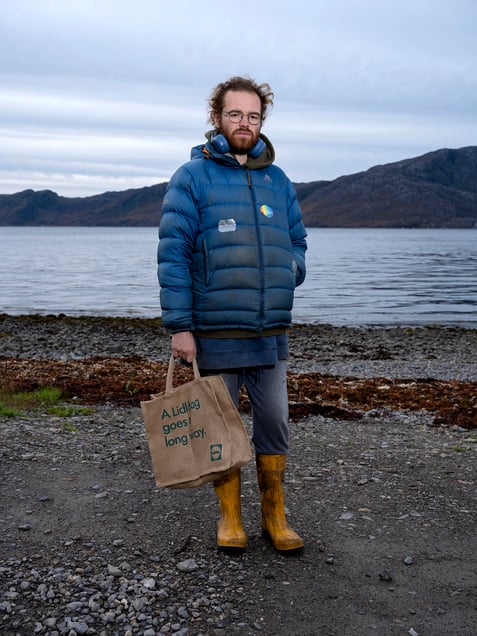
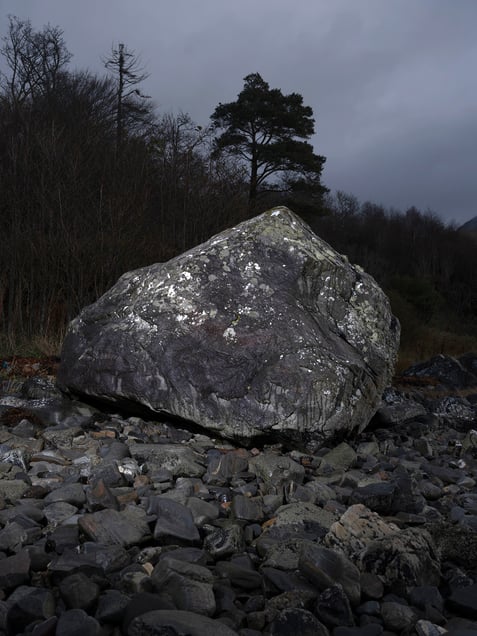
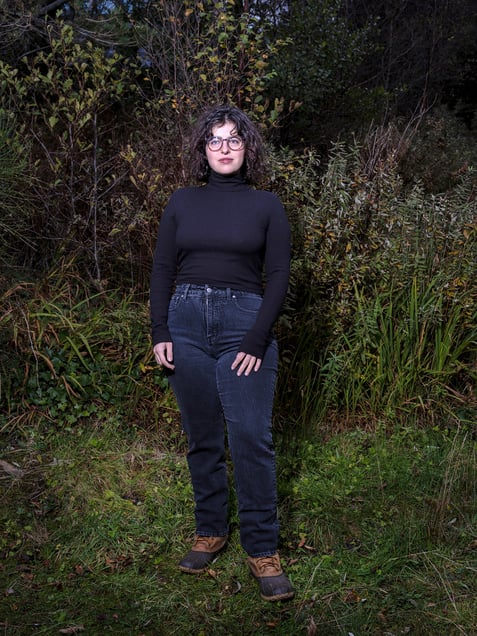
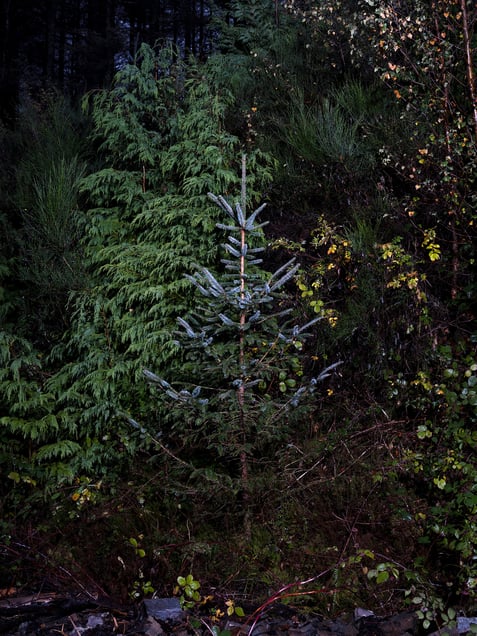
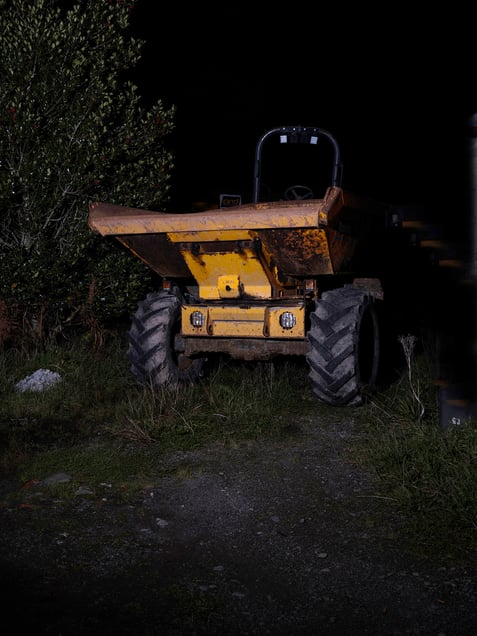
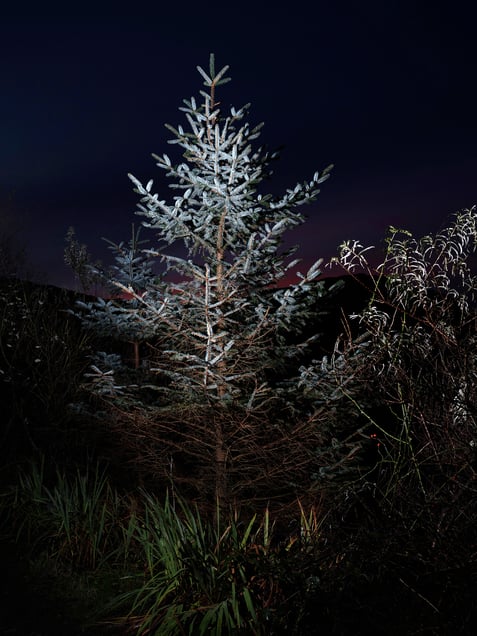
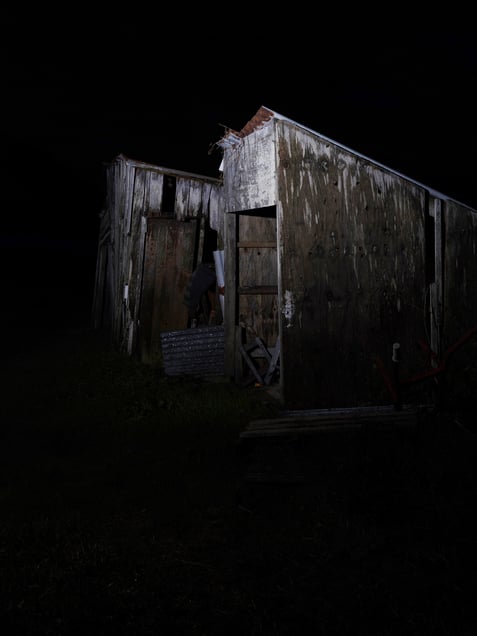
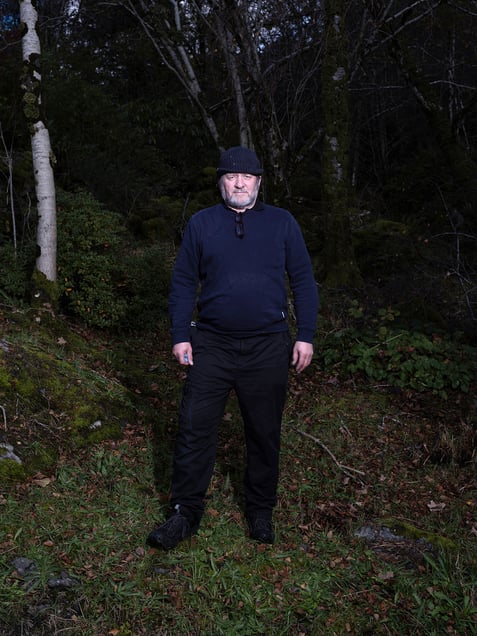
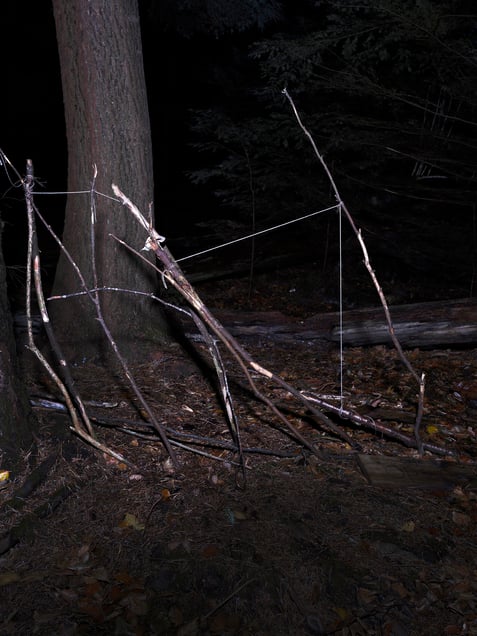
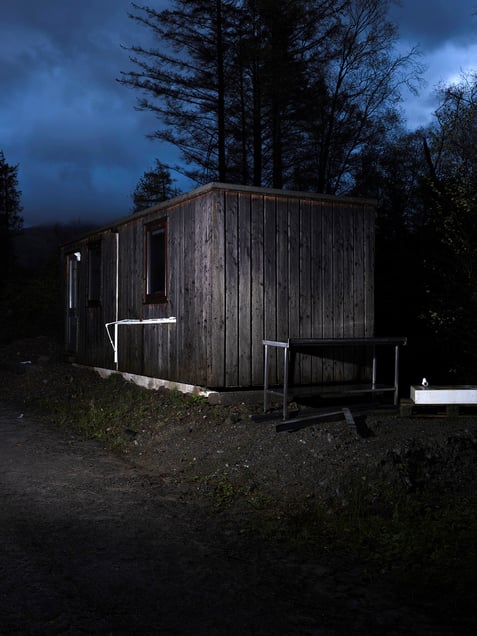
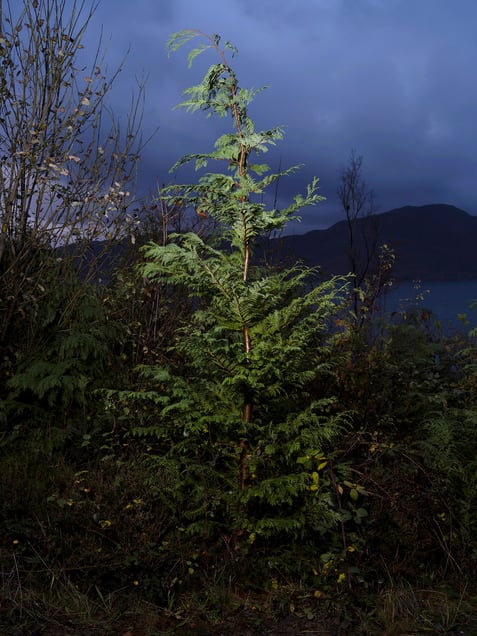
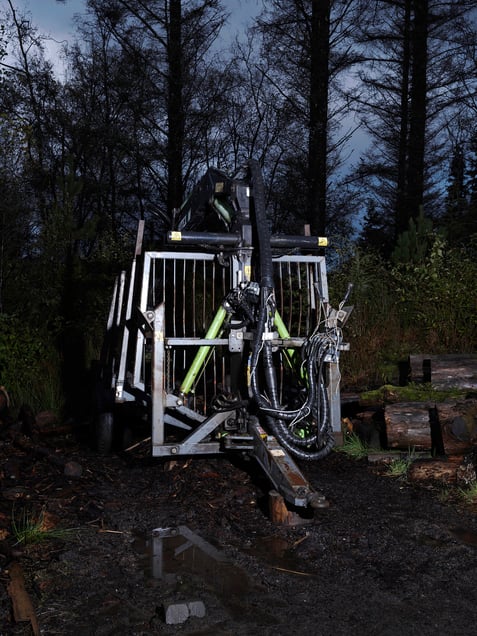
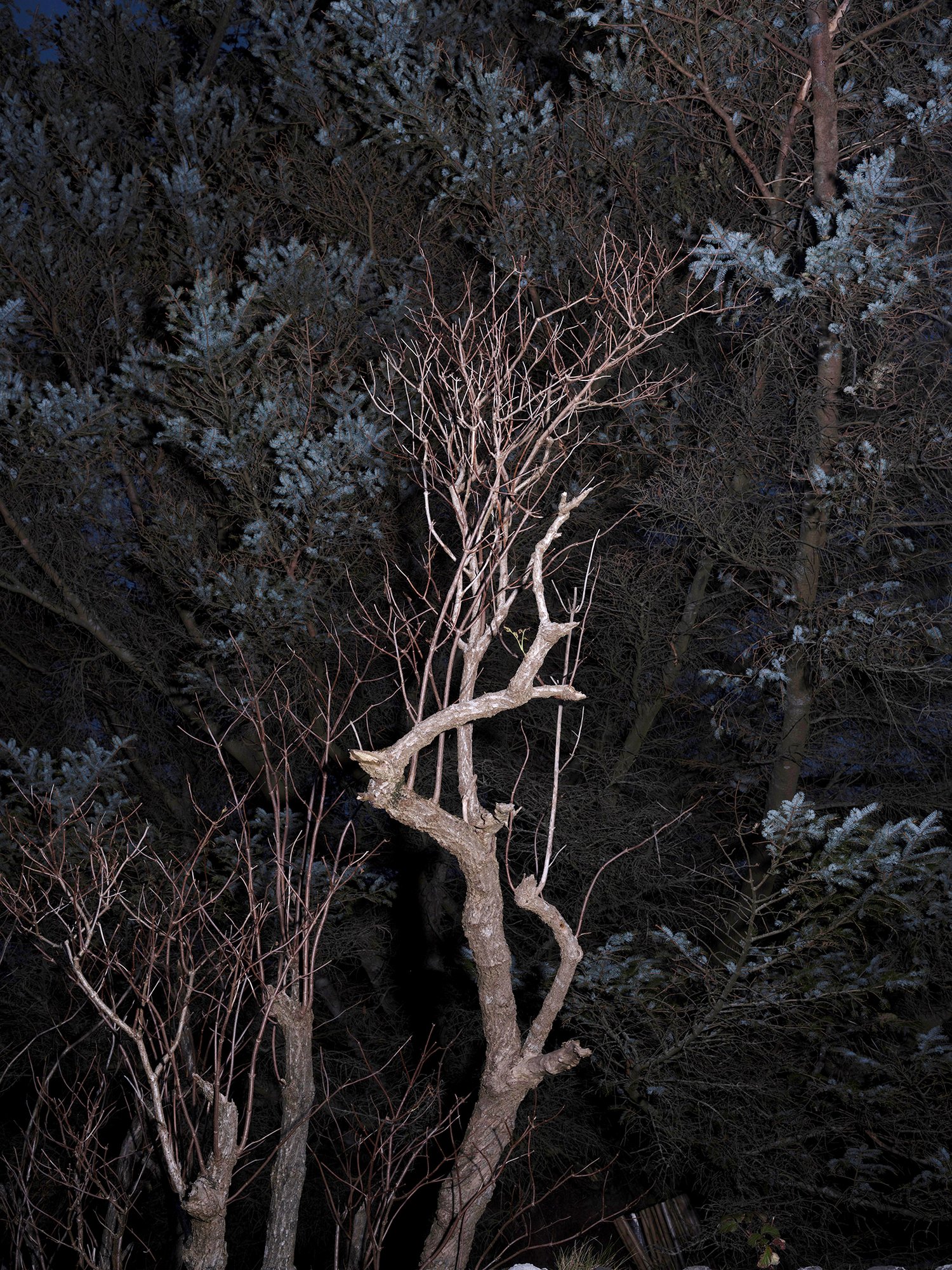
This photographic project was created through an open and intuitive engagement with Knoydart, a place often described as the UK’s last wilderness. Rather than arriving with a fixed concept or predetermined outcome, I chose to let the environment speak to me directly. This intentional lack of planning and research was central to my experimental journey. By stepping into the landscape without expectations, I allowed the countryside itself to shape the work, guiding my responses through presence rather than intention. I wanted the essence of Knoydart’s environment to communicate itself, rather than imposing a narrative or structured project upon it. The work was designed to remain free and unplanned, mirroring the rawness and autonomy of the land. By not restricting myself to a specific theme or methodology, I was open to doing anything within the environment responding instinctively to light, weather, movement, and chance encounters. Initially, I had no intention of creating portraits. However, by allowing the process to remain fluid, I found myself photographing people I met throughout the day. This freedom removed the pressure of questioning why I was photographing certain subjects or whether they fit into a predefined project. Instead, I worked instinctively, freestyling with both the landscape and the people within it, responding to how the environment and its inhabitants communicated themselves to me in that moment. Knoydart’s history and social context are deeply intertwined with the work. Once shaped by the Highland Clearances, the area has a legacy of displacement, land ownership struggles, and resilience. In 1999, Knoydart became one of the UK’s most notable community-owned estates, following a landmark land buyout. Today, it stands as a powerful example of community led land management, sustainability, and resistance to historical patterns of exclusion. Despite its remoteness, Knoydart faces ongoing social and environmental challenges, including housing shortages, accessibility issues, and the balance between conservation and community life. These social and environmental conditions subtly inform my photographic approach. By allowing the land and its people to exist without forced interpretation, the work reflects Knoydart’s independence, resilience, and collective spirit. The absence of rigid structure within the project parallels the community’s fight for autonomy and self-determination. In this way, the photographs become a quiet dialogue between freedom, place, and presence allowing Knoydart to be seen and felt on its own terms.
No categories selected
Photos (54)