
Tippler Tourism
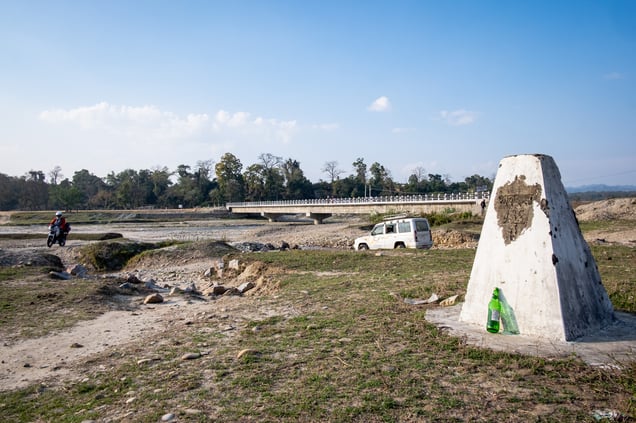
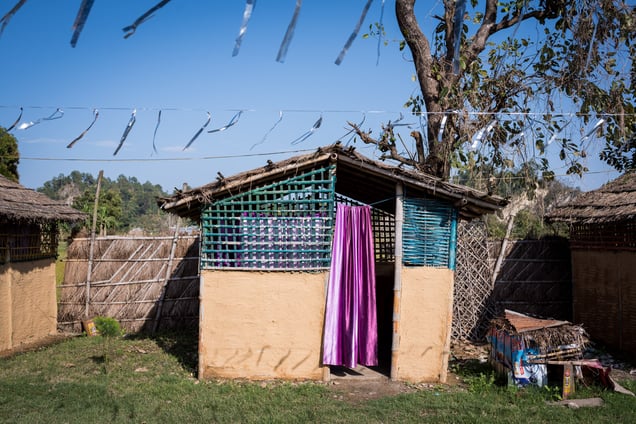
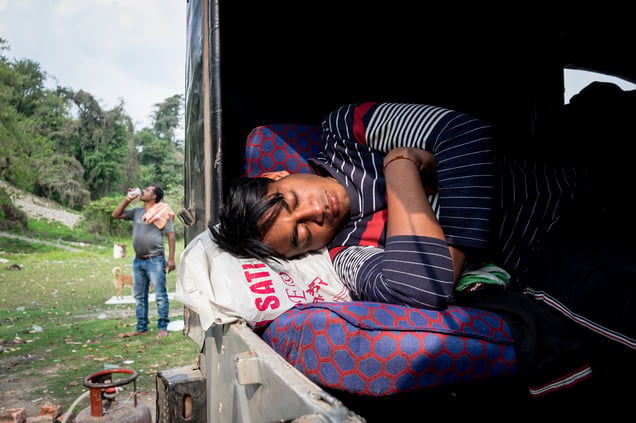
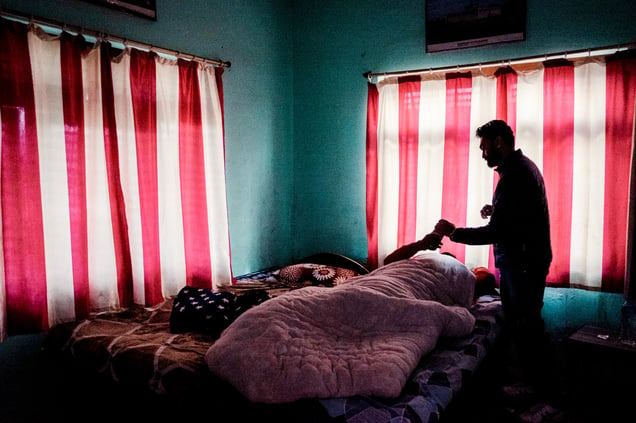
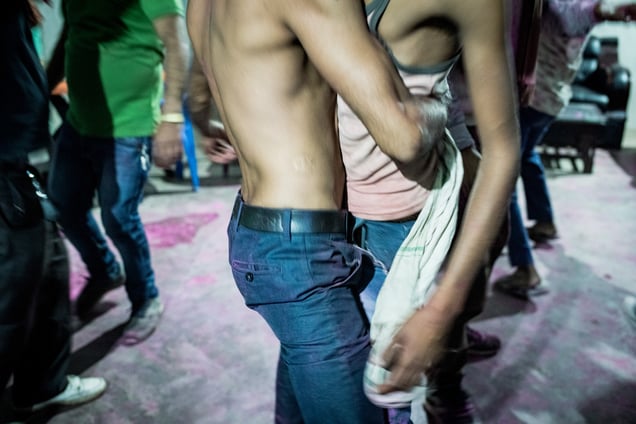
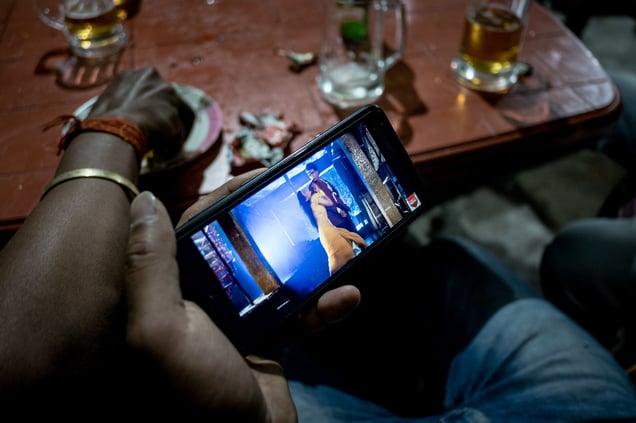
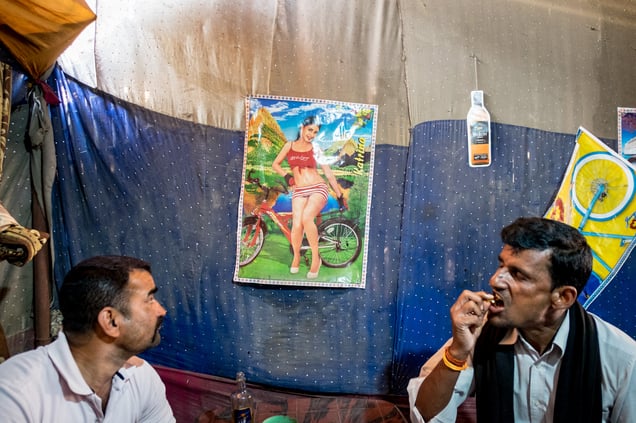
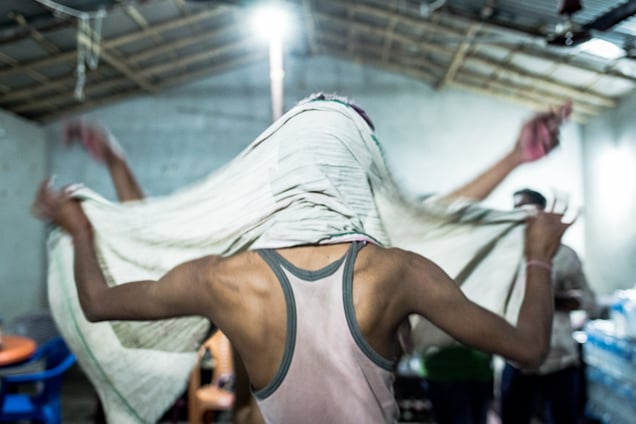
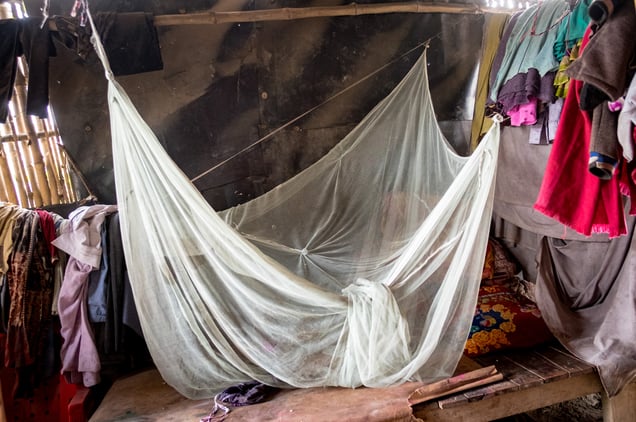
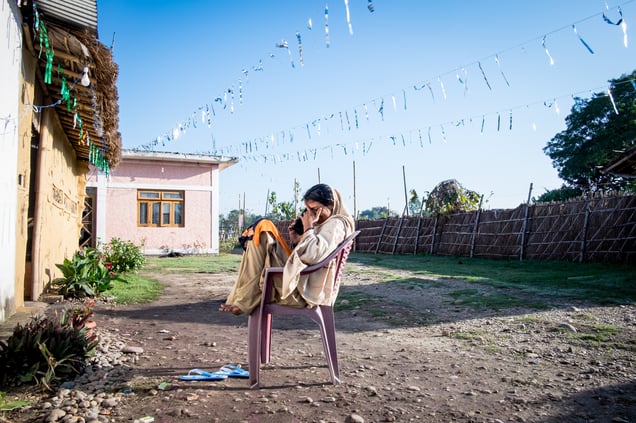
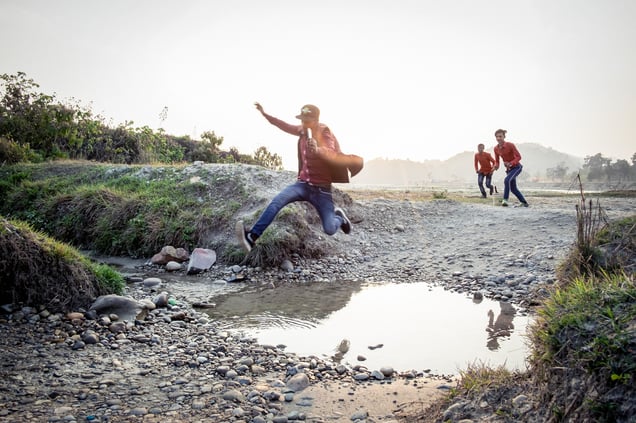
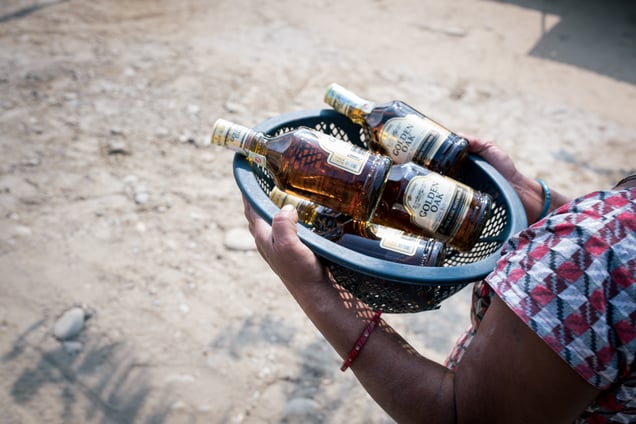
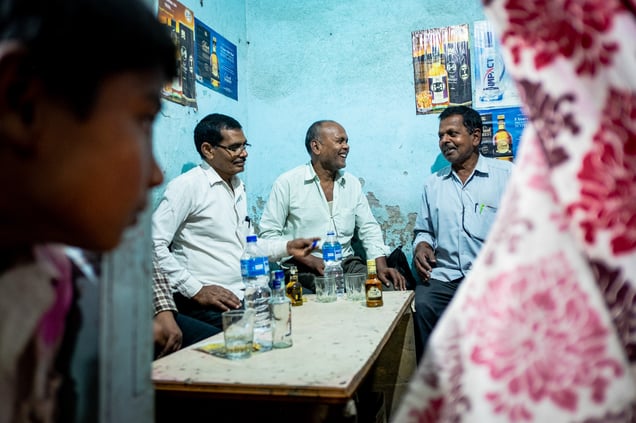
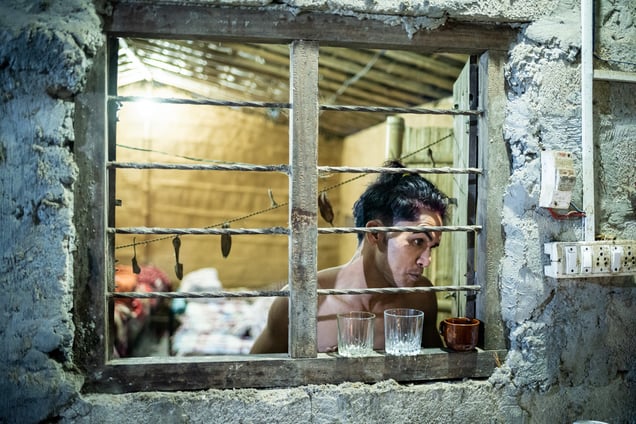
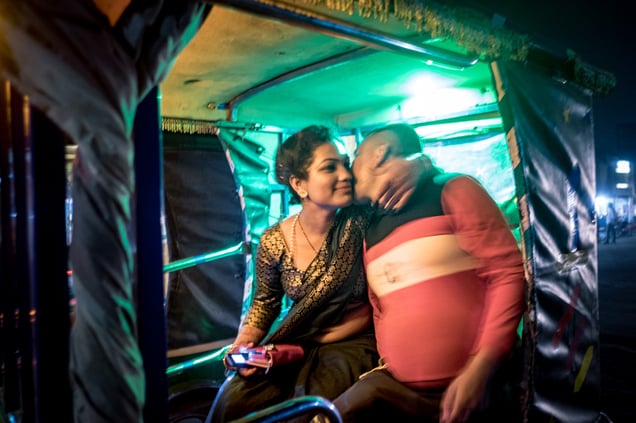
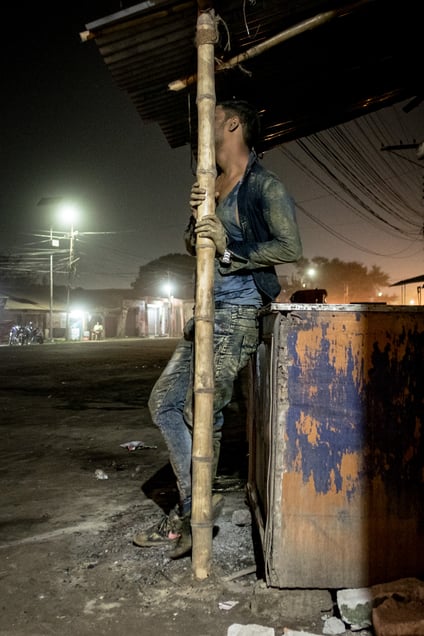
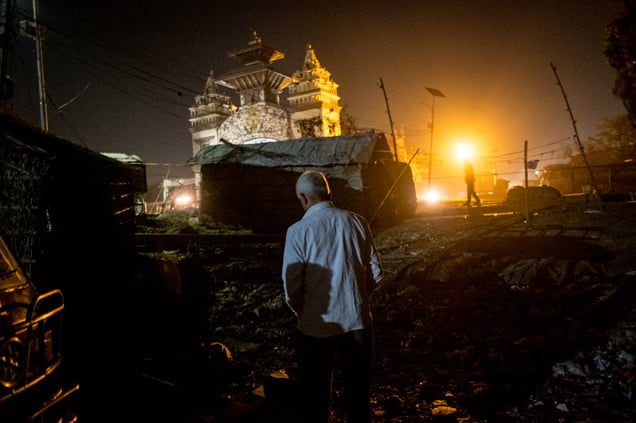
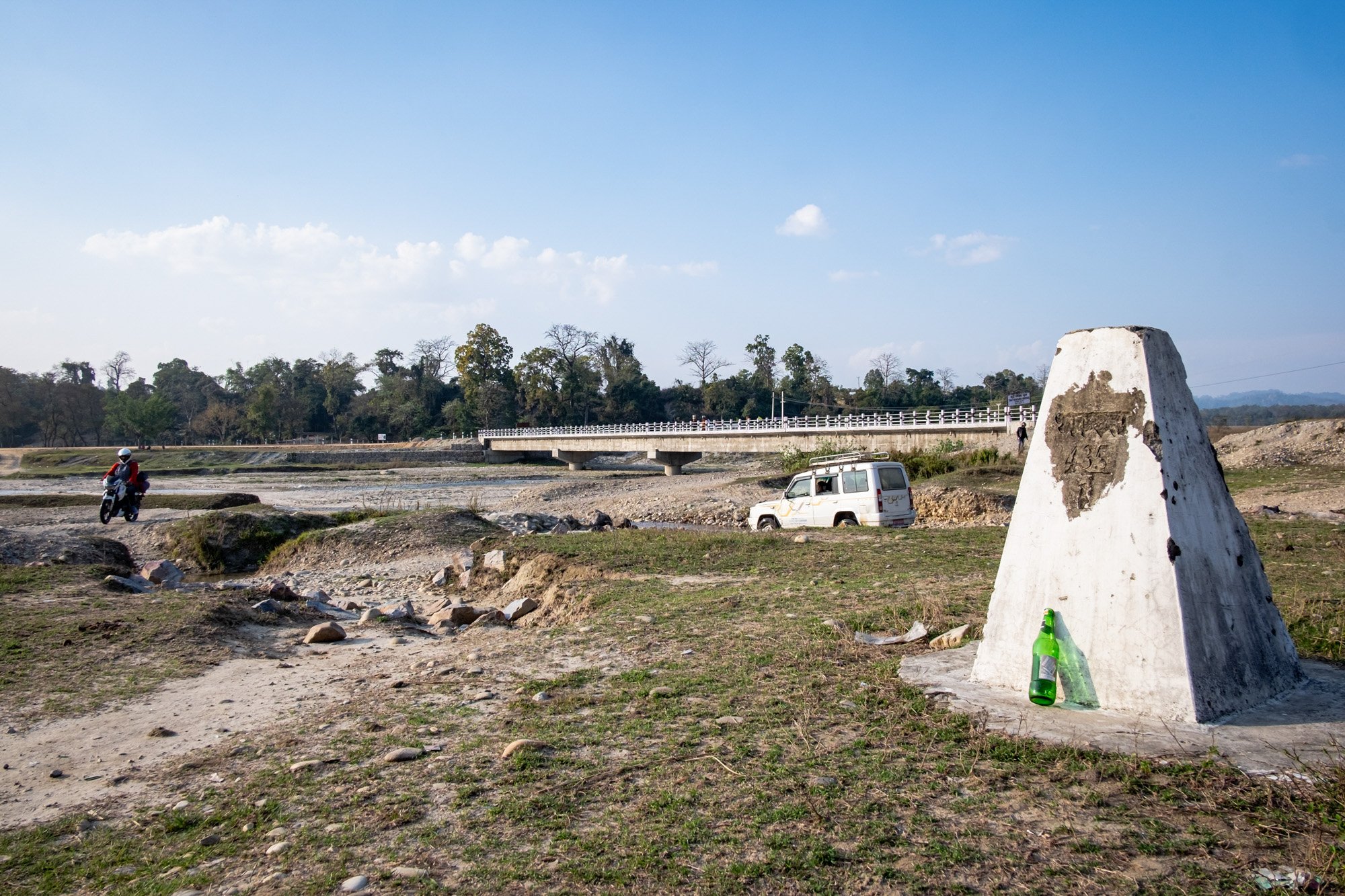
The Bihar state government’s complete ban on alcohol has inadvertently fueled a booming liquor scene in the towns along the Nepalese border. This has led to the rise of 'bhattis' (local pubs) and upscale restaurants, catering to a wide spectrum of drinkers who exploit the open borders between the two countries. My attempt here is to explore this emerging tourism trend along India’s southern border and its deep social and economic impacts on the region. In Bihar, the sale and consumption of alcohol are strictly prohibited, with violators facing up to five years in jail. Consequently, many Indian drinkers- mostly men cross into Nepal in search of relief. Some are regular visitors, making frequent trips across the porous border, while others arrive occasionally to celebrate and indulge without restrictions. The offerings are diverse, catering to every taste and budget, from branded spirits to locally brewed hooch or ‘rakshi’. The atmosphere is lively and often noisy; young men share stories of past romances, adults vent about work, and older men reminisce about bygone days. Amid the clamor, someone inevitably shouts, “Saauni, arko ek bottle!” (One more bottle, please!). For many, festivals, weddings, and gatherings feel incomplete without alcohol; in some cases, entire weddings have been relocated to Nepal to include liquor on the menu. This phenomenon highlights the intricate relationship between social norms, economic opportunity, and the human urge to indulge in the face of restrictive laws. Drunken brawls, alcohol poisoning, and clashes with authorities frequently make headlines, yet these challenges do little to deter the revelers. As one popular saying goes among them; “Surya Asta toh Nepal Masta” (Fun is in Nepal when the sun sets).
No categories selected
Photos (19)