Dreams Happen After Dark
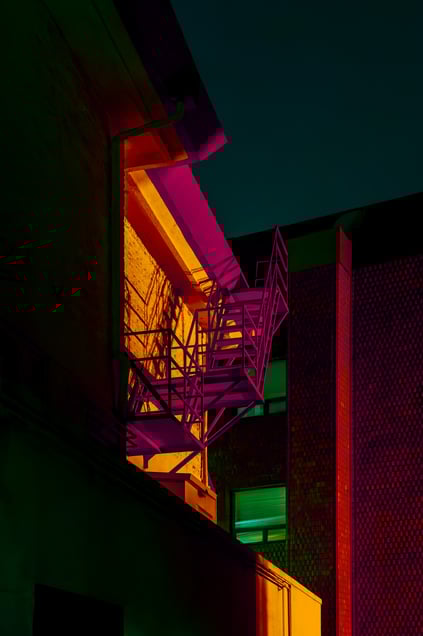
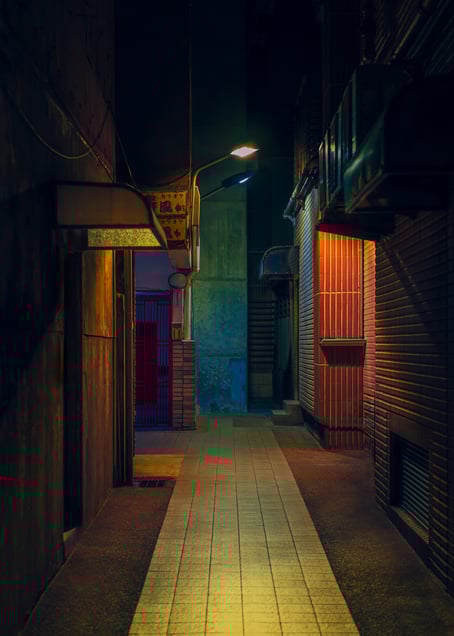
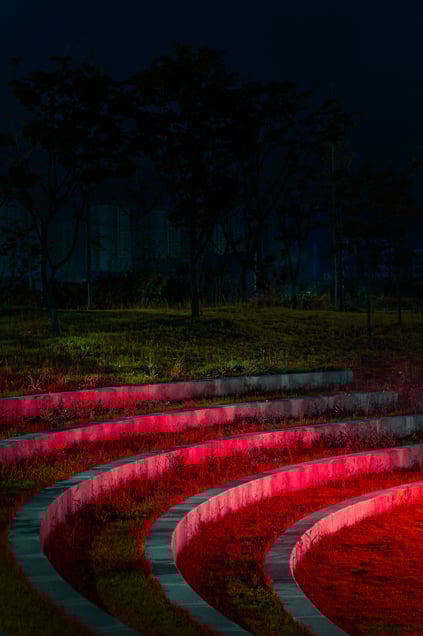
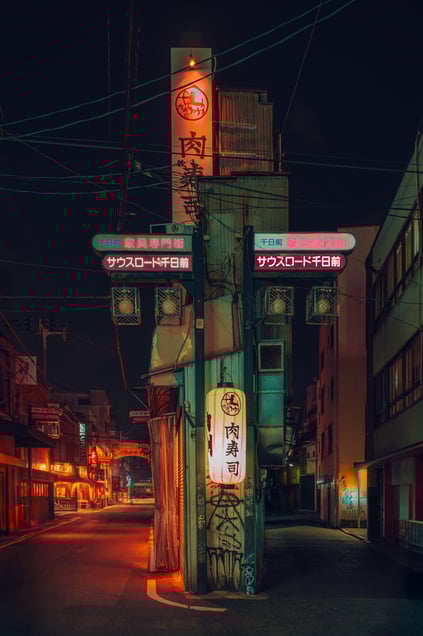
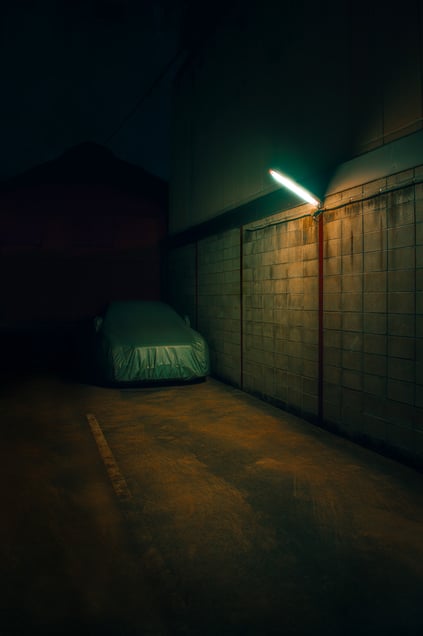
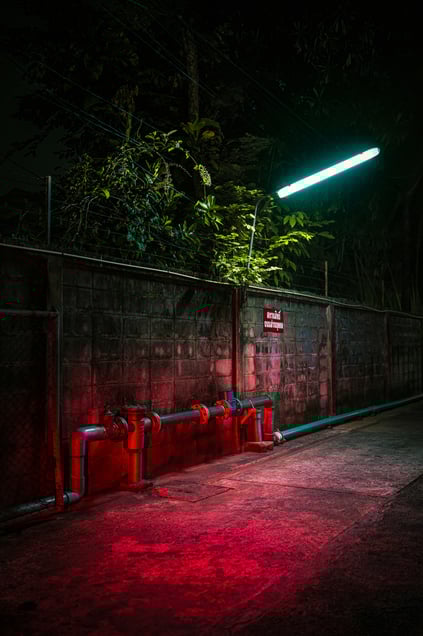
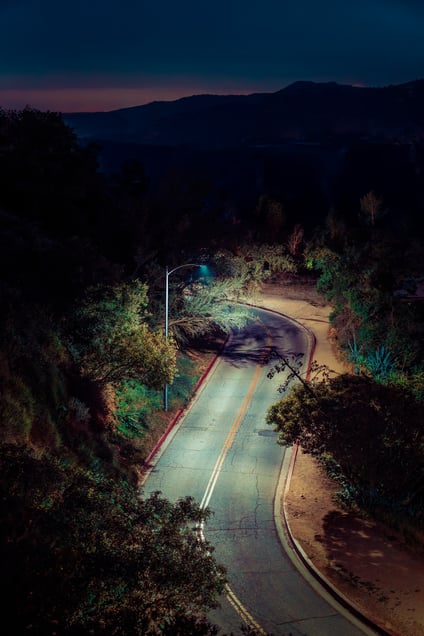
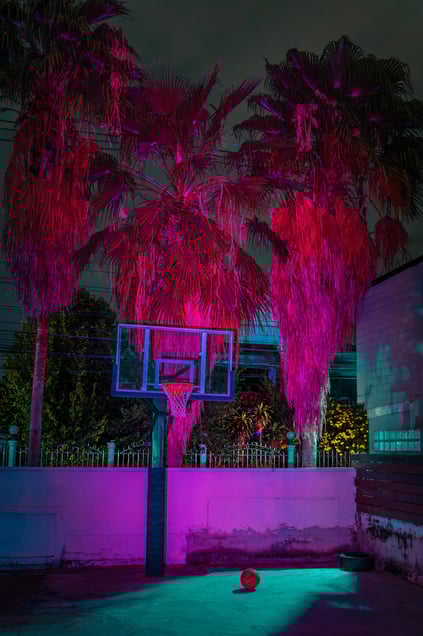
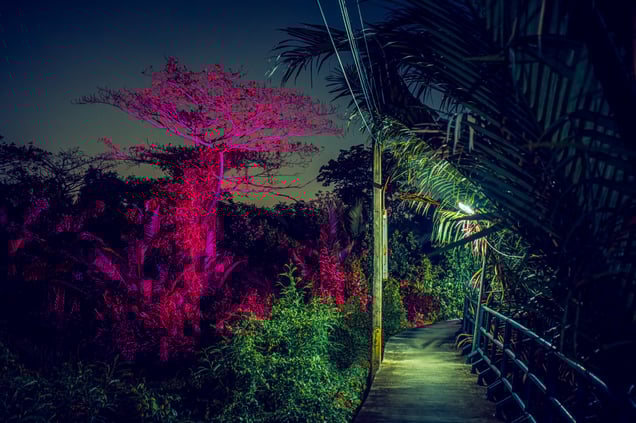
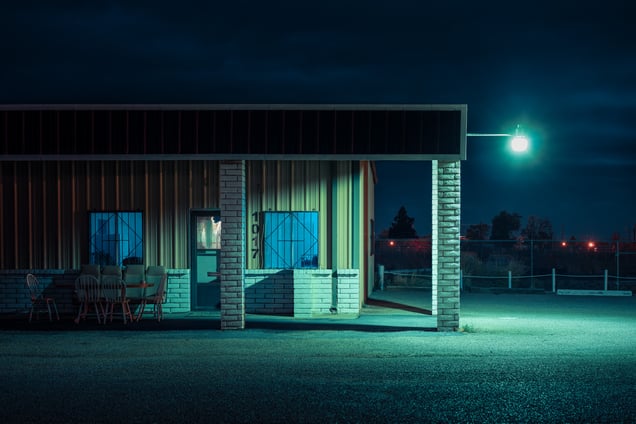
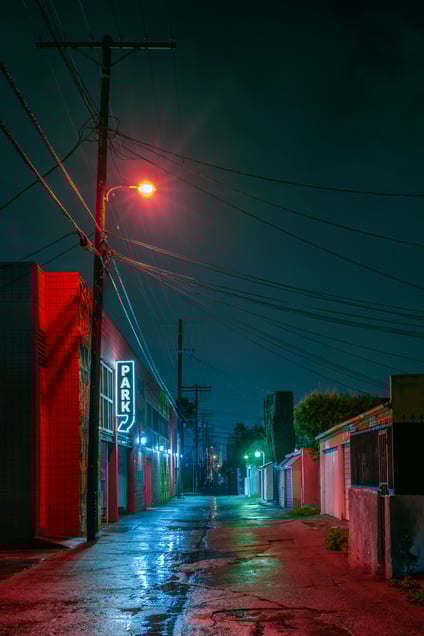
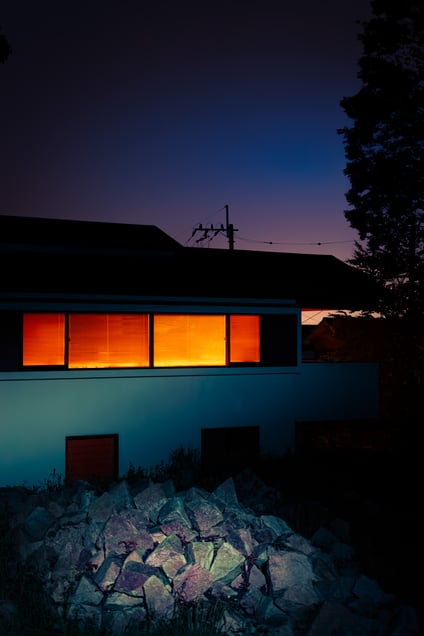
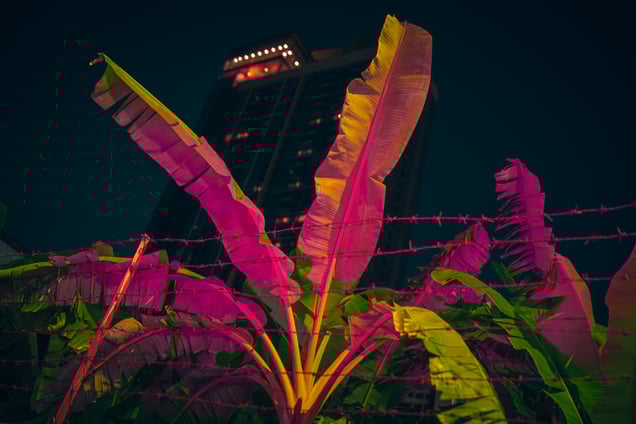
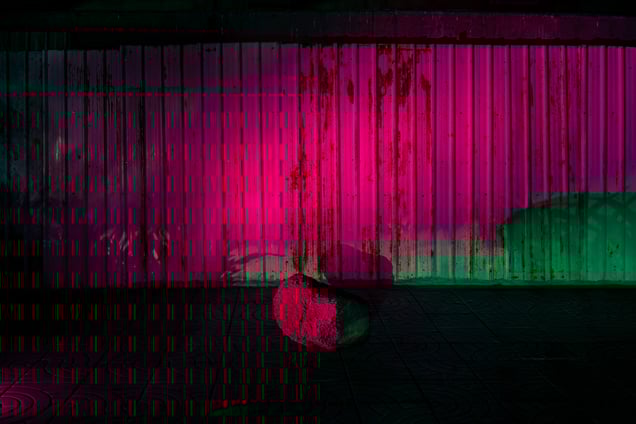
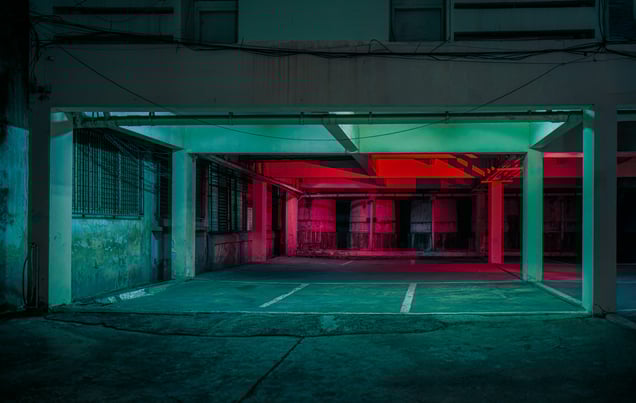
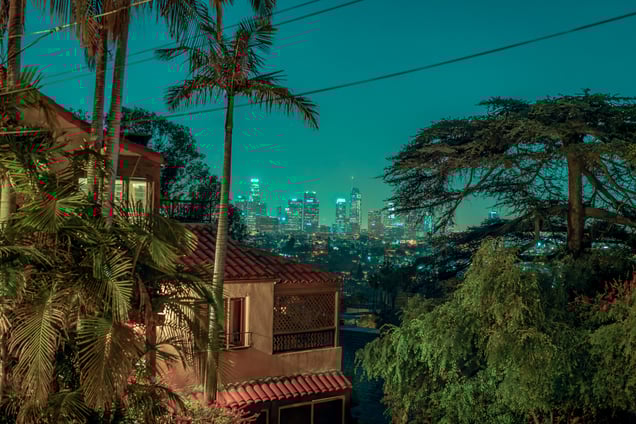
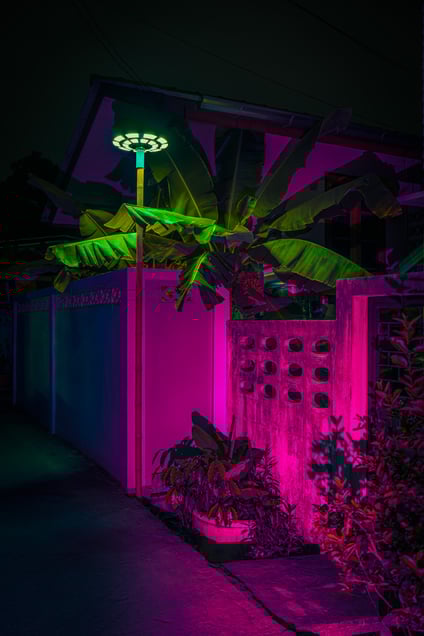
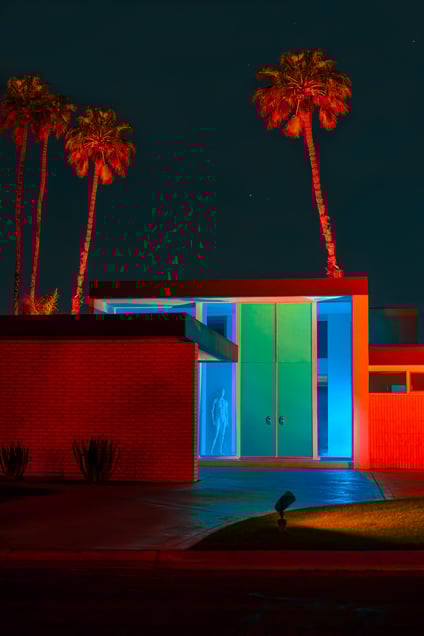
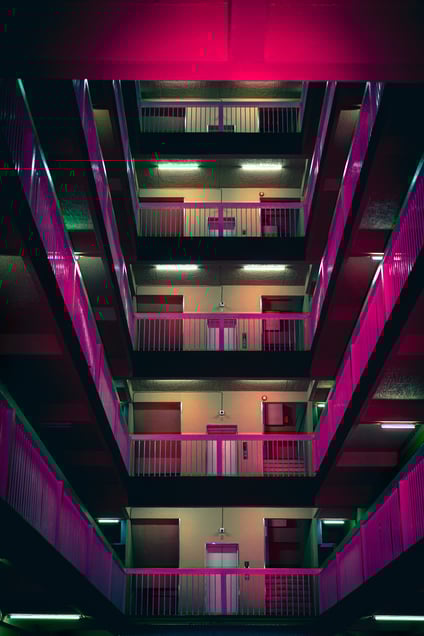
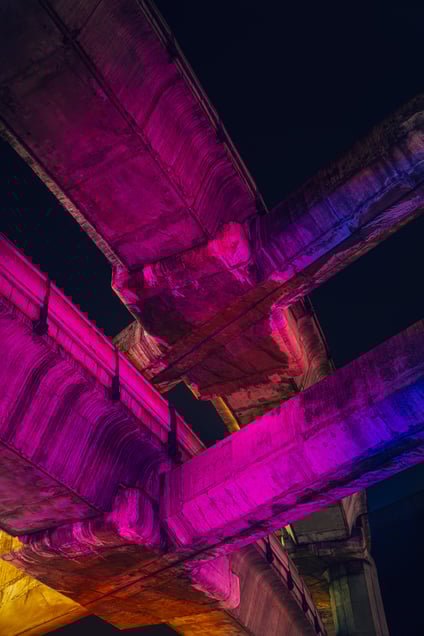
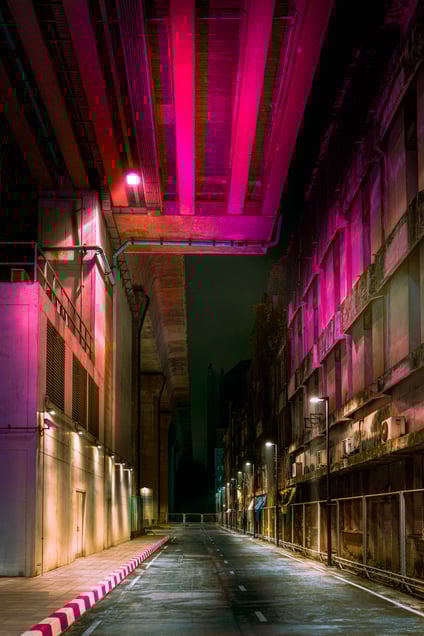
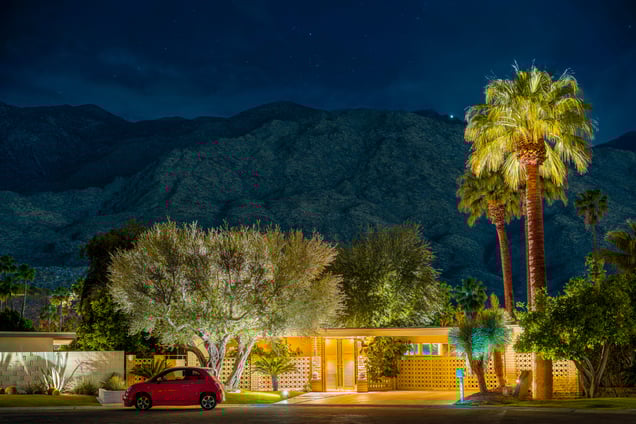
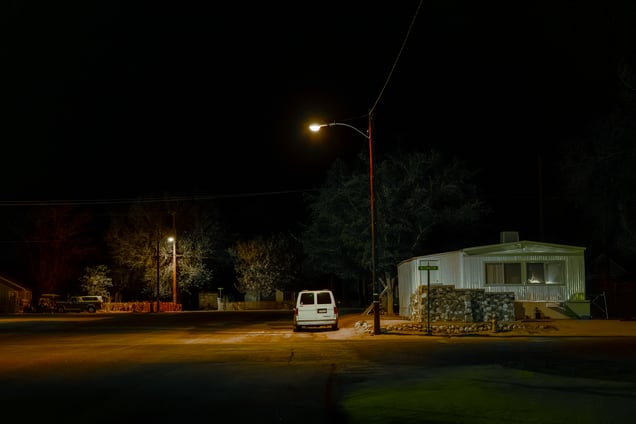
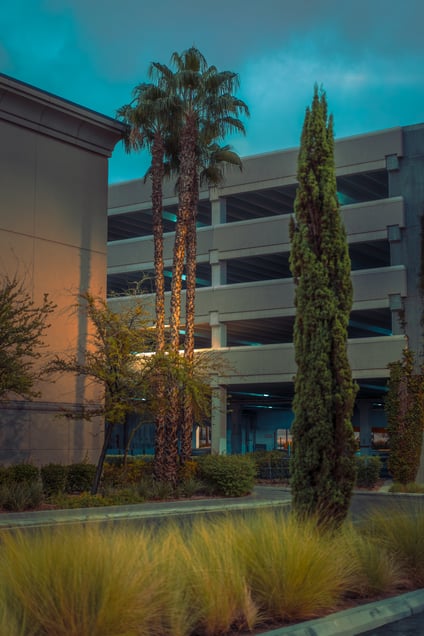
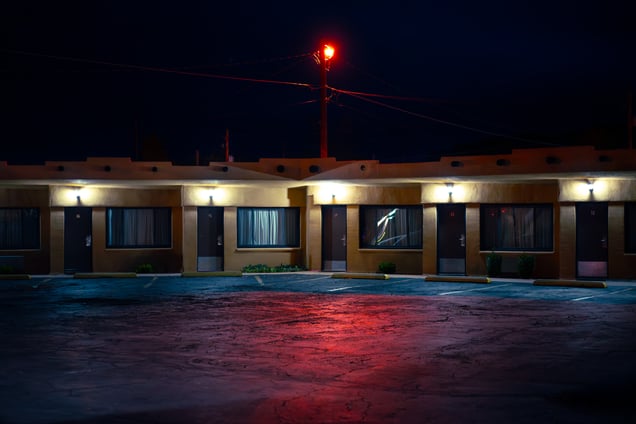
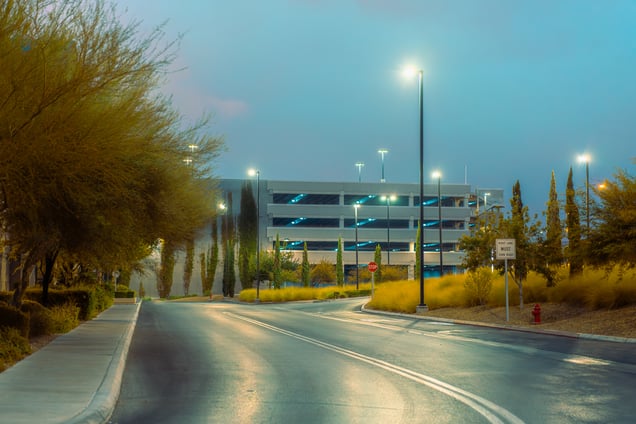
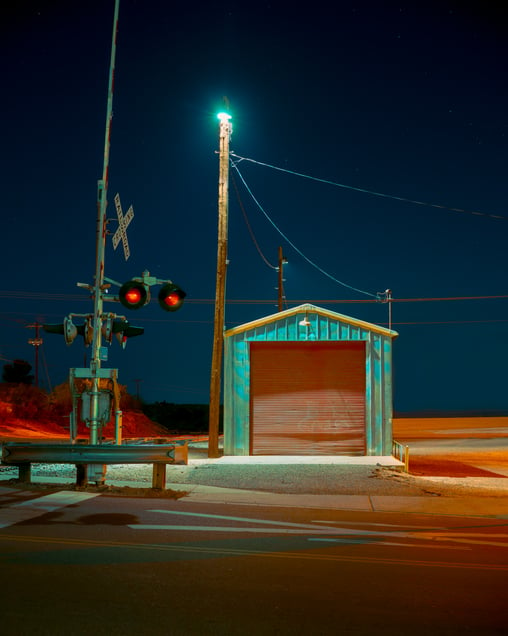
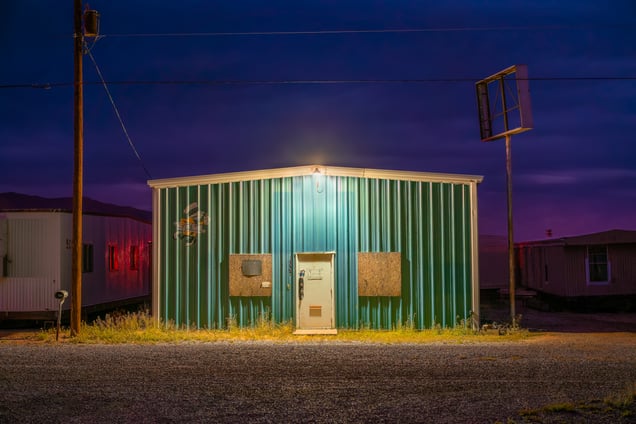
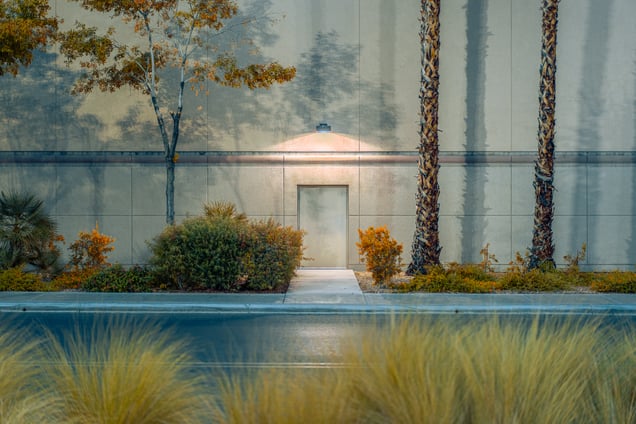
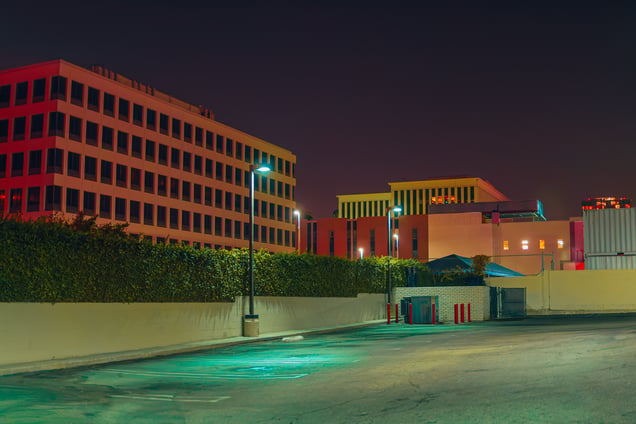
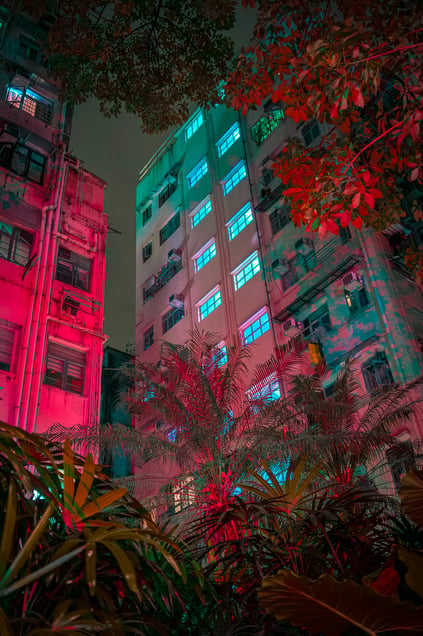
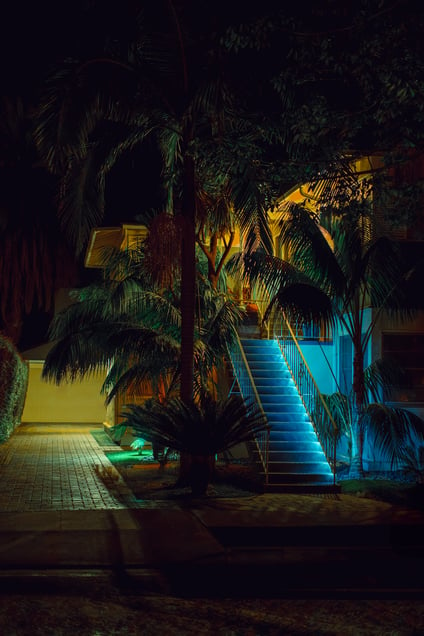
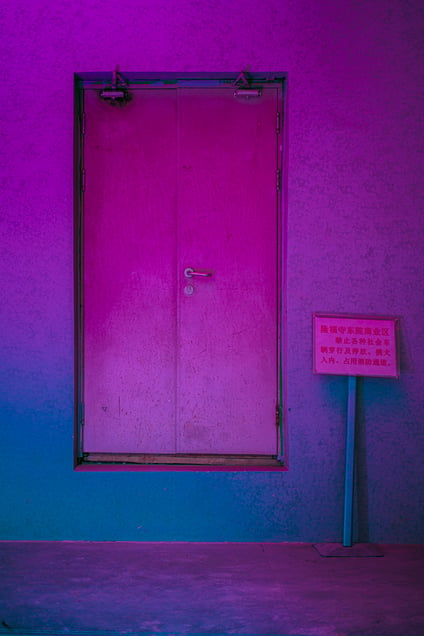
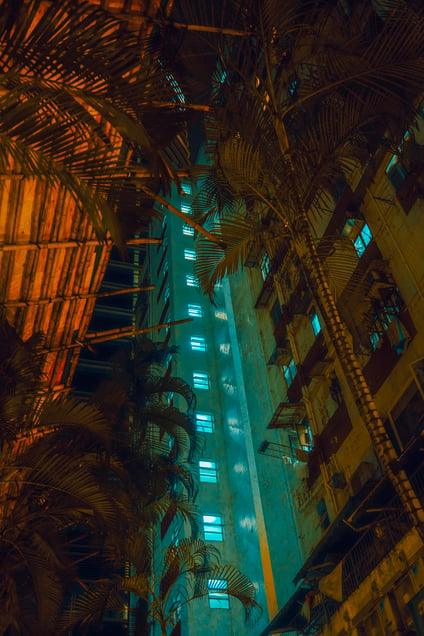
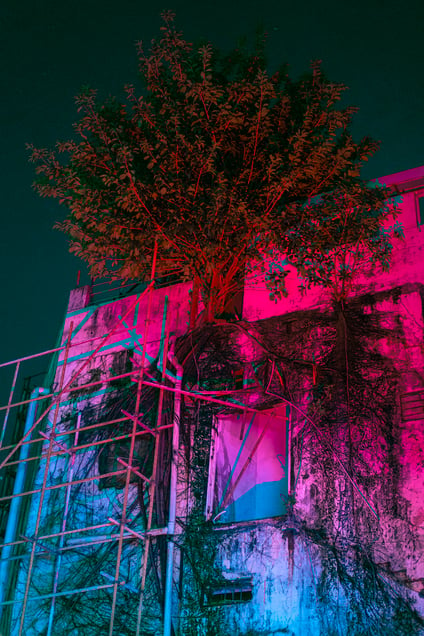
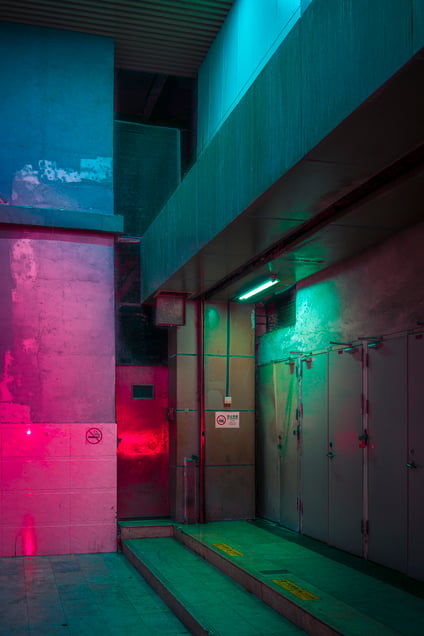
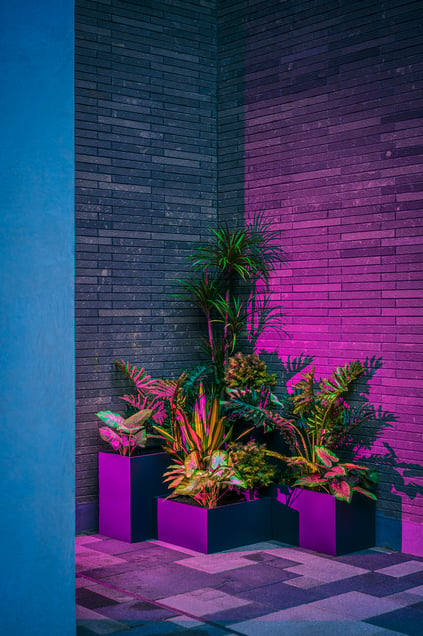
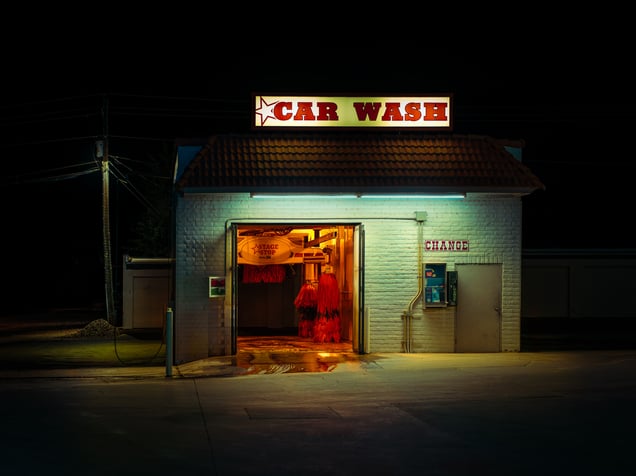
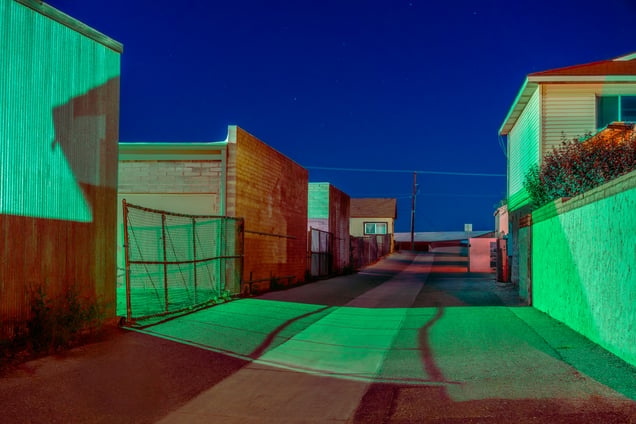
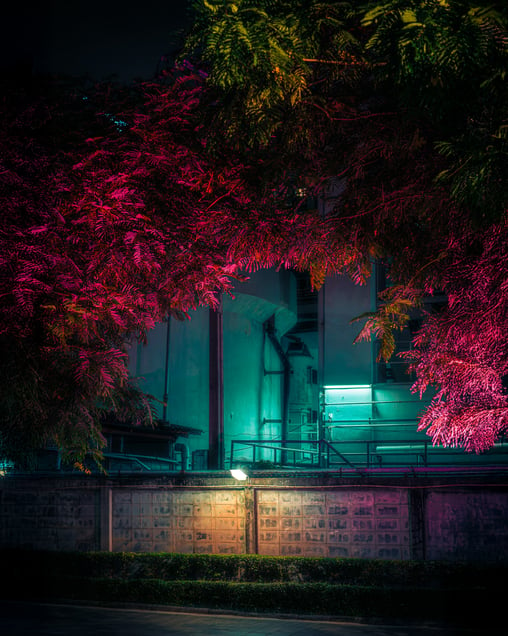
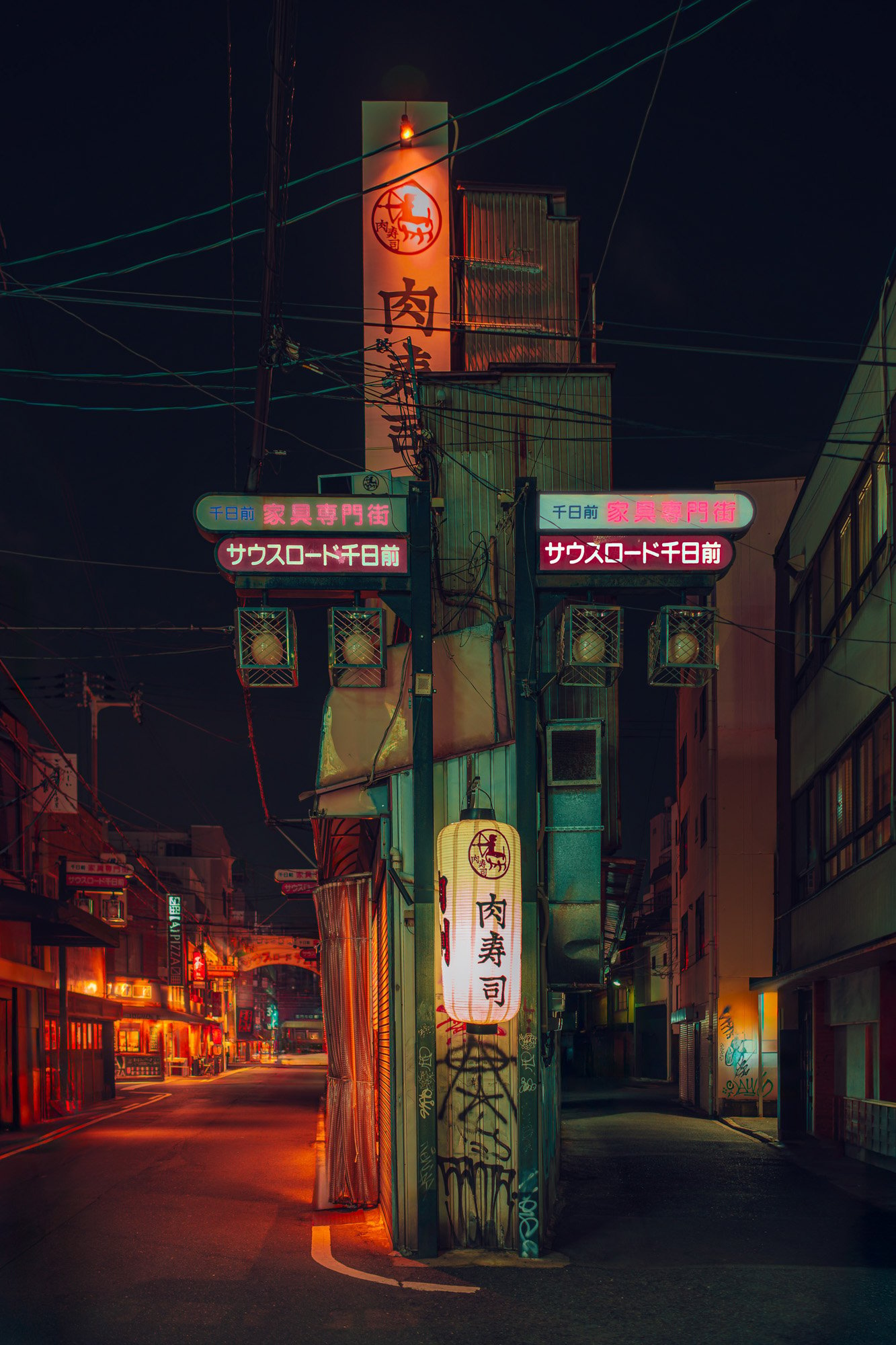
The everyday sometimes leaves me with a sense of incompletion, of lack — a vague feeling of standing at the edge of the stage, watching life unfold a little further away. Dreams Happen After Dark is not a series about the night: it is a series about the need for an elsewhere. An intimate quest—sometimes lucid, sometimes stubborn—to find, within the real, a door into a denser world: less futile, more vibrant, more incandescent. Darkness then becomes my field of research. I walk at night to find fragments of that other world. Not a specific place, but a sensation—an intensity, a coherence—as if the world suddenly became readable. Dreams Happen After Dark is the trace of that quest: a patient hunt for those moments when reality begins to vibrate differently. Cinema anchored this obsession in me very early on. Not because it shows perfect worlds, but because it gives imperfection a perfect form: a frame, a light, a tension, a piece of music. A way to make uncertainty beautiful, solid, inhabitable. I’ve always loved that paradox: portraying imperfection with absolute precision. That is exactly what I’m searching for: to recover, within the real, that same precision and tension. And at night, darkness simplifies, silence widens perception, and artificial light begins to act like a theatrical instrument. Urban fragments emptied of human presence—parking lots, staircases, alleys—become sets. And within these sets, I look for the moment when reality starts to behave like fiction. Light is both subject and tool. I’m drawn to isolated sources, to clashes of color, to these hyper-focused scenes where attention is pulled by a visual tension. I often amplify this effect by adding my own light: flashes or colored beams, carefully placed and used directly on location. This isn’t color grading added afterward—it’s a gesture made at the moment of capture, a way of opening another reading of the real. Like turning on a radio: the waves were already there, but you couldn’t hear them without the device that reveals them. For me, photography can play that role: waiting for the right conditions, injecting color, and suddenly accessing a layer of the world that was always present—yet invisible. I look for frames that act like thresholds, like passages. Not a description of a place, but a concentrated frame, charged enough to trigger a story. In these images, the city is almost always empty. Absence leaves the stage intact. Silence becomes a material, and that emptiness points to something deeply human: even though we are social beings, our inner life remains solitary. Desires, fears, lack, joy—everything lives inside us. The empty city becomes a mirror of that inner space: calm, strange, sometimes unsettling, often magnetic. Journeys in Asia and the United States play a crucial role. These places carry, for me, a cinematic charge—sometimes through culture, sometimes through everything I absorbed since childhood through films and music. Being there feels like slipping into a parallel world, as if reality were slightly shifted. I don’t photograph travel as an exotic backdrop; I photograph it as an existential trigger, a way to leave the familiar and move closer to the strange. And yet, I’m fully aware of the paradox: this “other world” is, ultimately, a personal construction. The quest is, in a way, impossible to complete, because it cannot be resolved outside of me. But the act of searching matters. Like a hunter who lives more for the hunt than for the trophy, I find meaning in the ritual: walking, scanning, waiting, recognizing, framing, transforming. The pursuit itself becomes a form of escape, of repair, of desire—sometimes nostalgic, sometimes joyful, sometimes restless. These works are neither documents nor embellishments. They are invitations: spaces to inhabit rather than to observe, fragments of silence carefully lit, where reality begins to behave like fiction—and where fiction feels strangely real.
Photos (40)