
ISHI
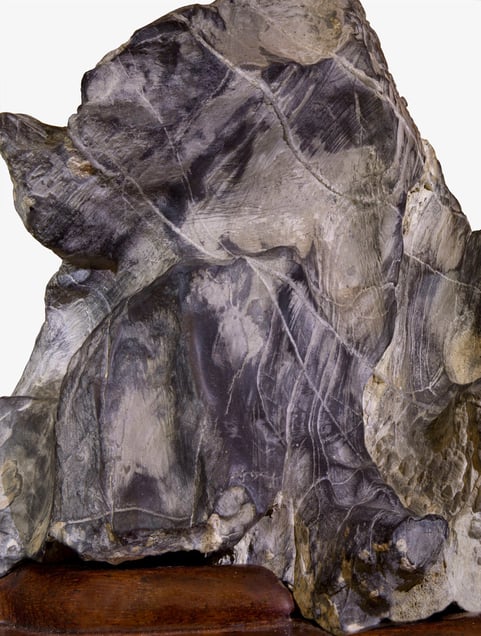
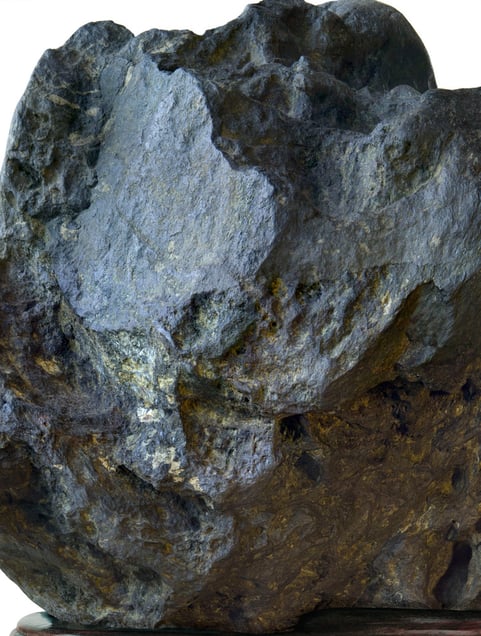
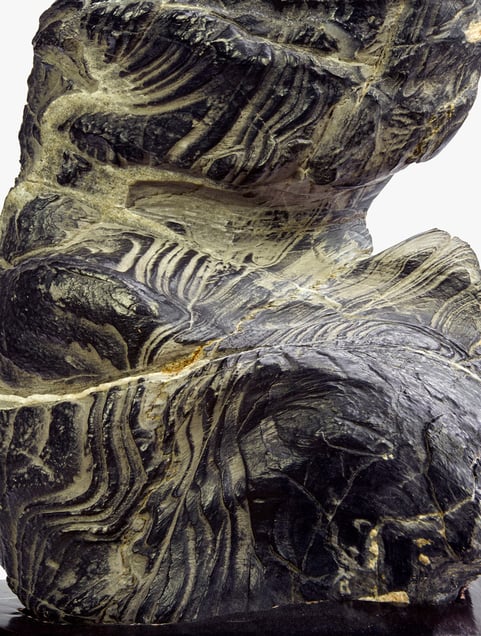
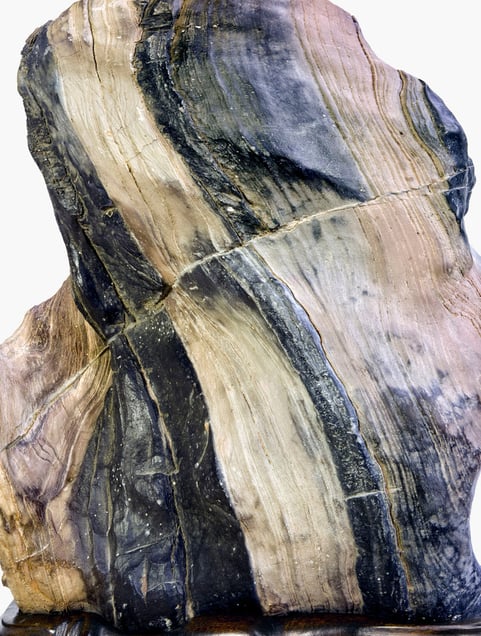
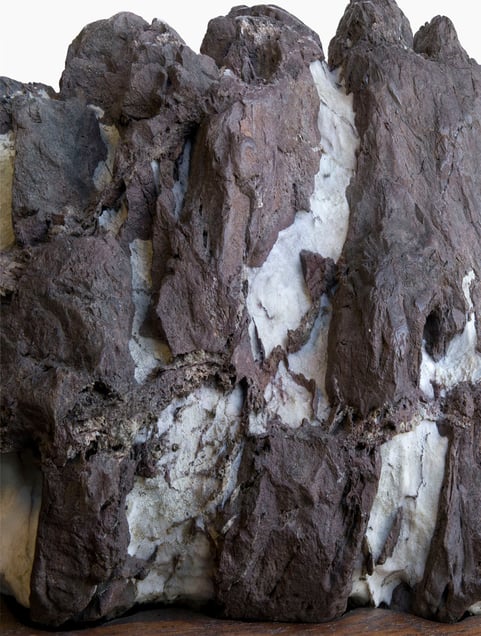
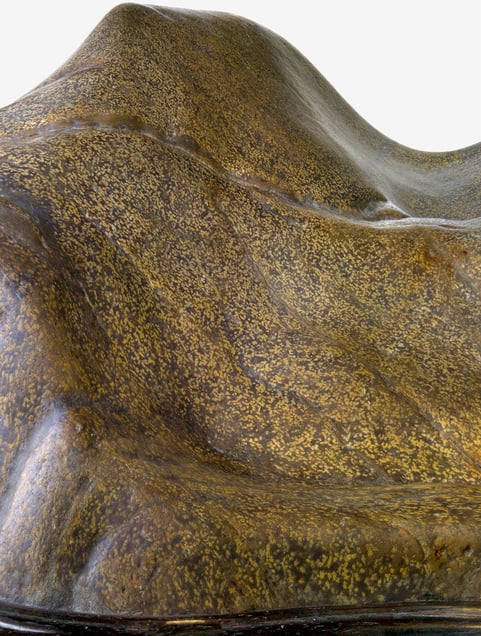
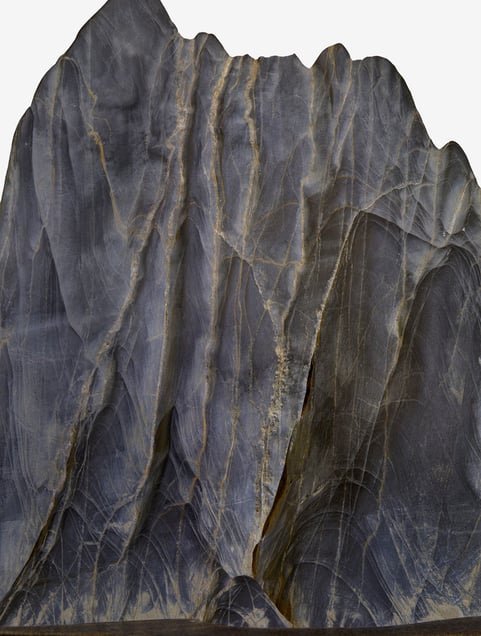
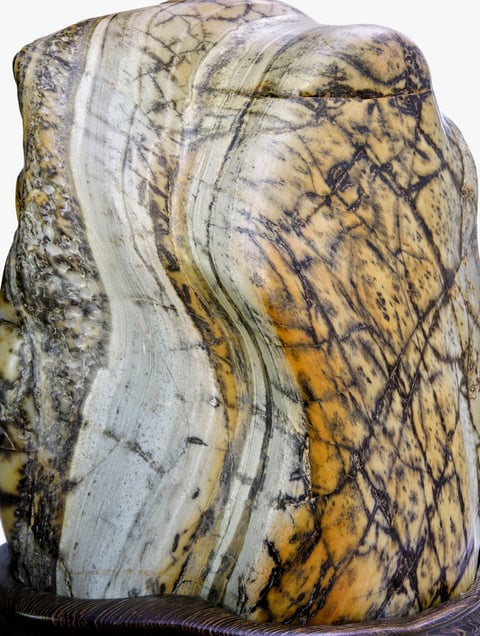
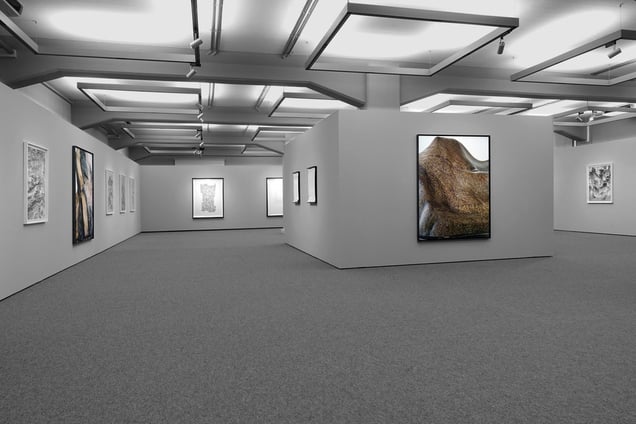
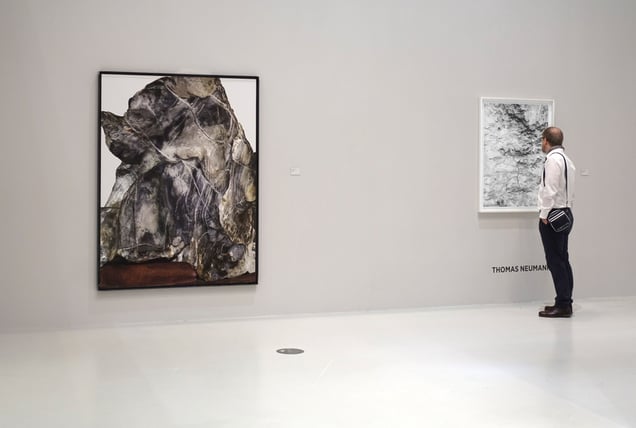
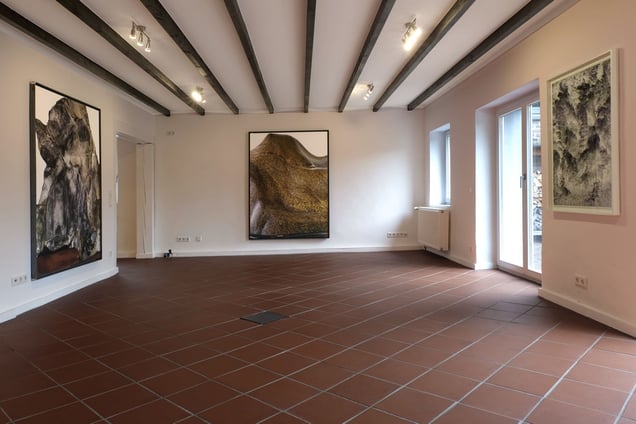
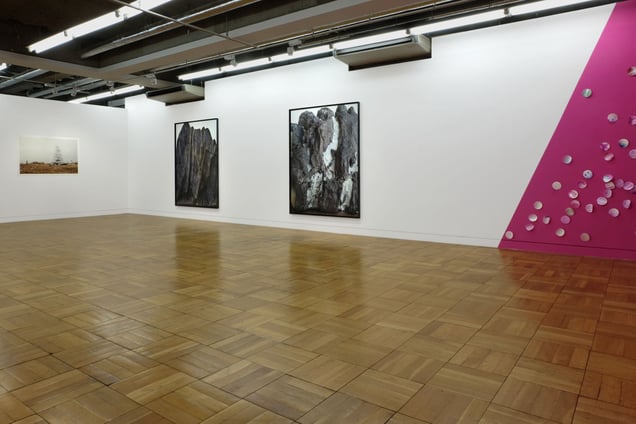
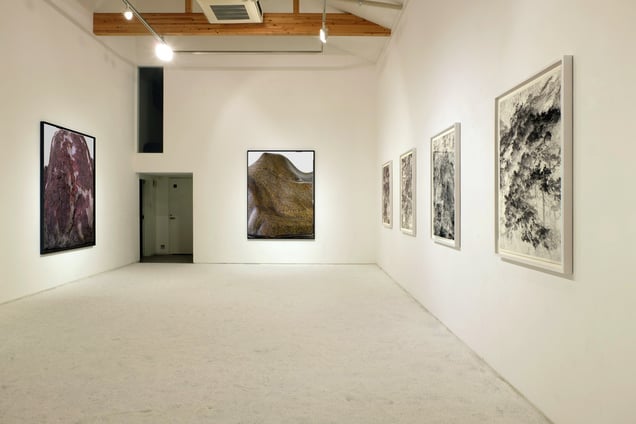
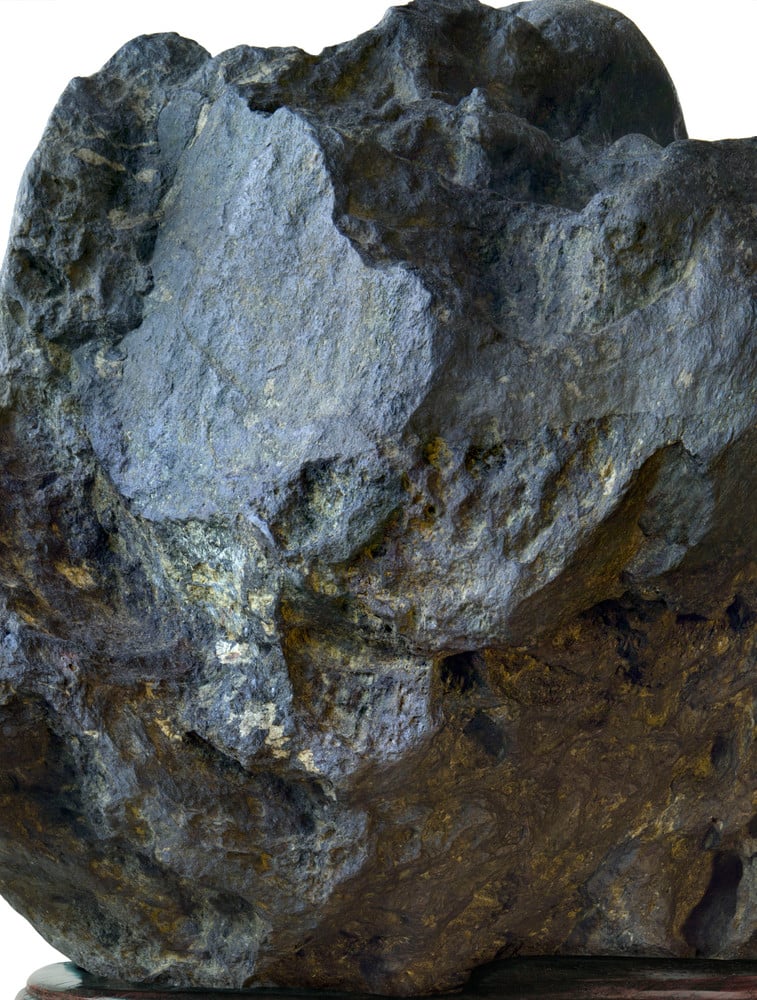
The ISHI (Stones) series zooms in on the animistic worldview, taking it up to macro scale. Since ancient times there has been a tradition in both China and Japan of appreciating suiseki, or scholar’s rocks—interestingly shaped rocks that seem to encapsulate universal truths. Seeing a microcosm of the universe in a space or a material is not unique to this tradition, and indeed in Japan there are tea ceremony rooms, gardens, bonsai, and other art forms where the same analogies are drawn. The ISHI, portrayed by Neumann in vivid hues, beckon our imaginations toward depths of time not apparent on the rocks’ surfaces but lurking inside. They open us to the powerful life force not visible to the eye but unquestionably present. Then, as our thoughts turn toward the endless passage of time, they are turned back once more by the ageless rock, like tiny pebbles bouncing off its surface. The photographs seem to hint at a sea of countless gazes washing against their surfaces, like the ebb and flow of waves. (Harumi Niwa / Curator, Tokyo Metropolitan Museum of Photography, 2015) With the stones I came in touch for the first time in Kyoto during an exhibition of Bonsai and Suiseki. These are natural stones, which somebody has found and which looks like miniatures of a perfect nature scenery. This tradition exists since ancient times and that stones where called Suiseki in Japan. For me it was interesting how that small piece of nature was turned into an piece of cultural practice. Imagined as a landscape I have photographed the stones like a landscape. Because of the overall sharpness of the large scale photographs (140x185 cm) the viewer can only get an idea of the real size of the stones at the second glance. (Thomas Neumann)
No categories selected
Photos (13)