
Yegüerizos
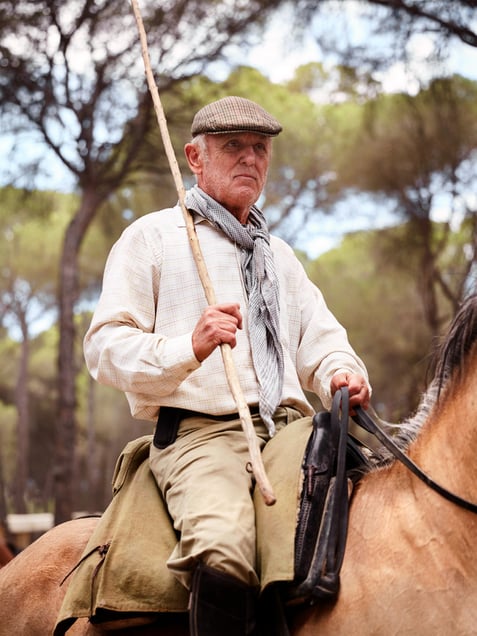
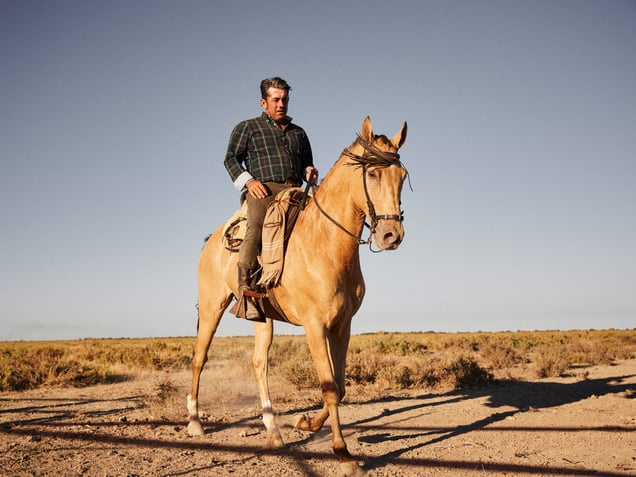
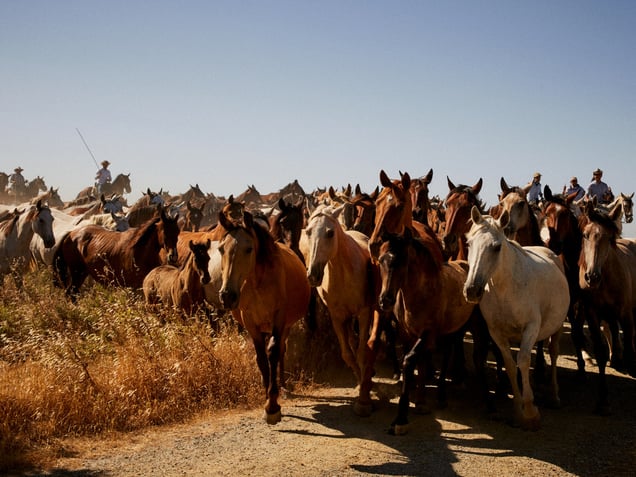
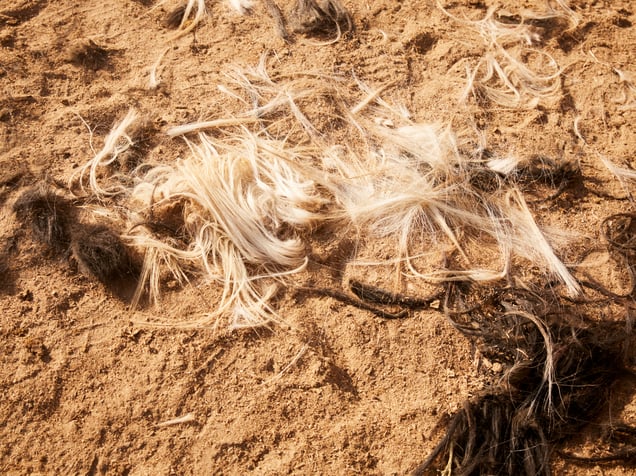
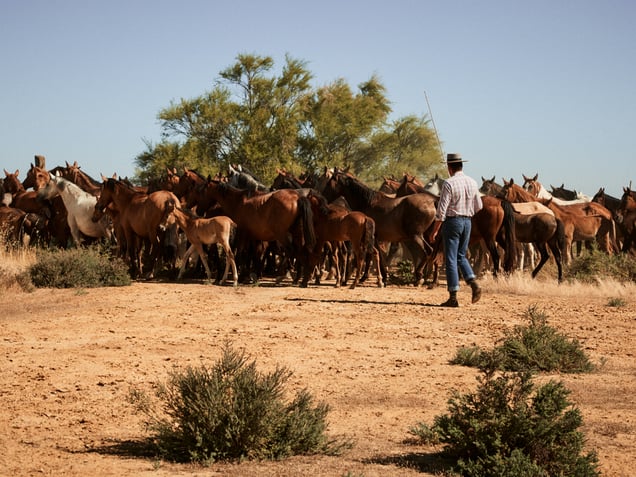
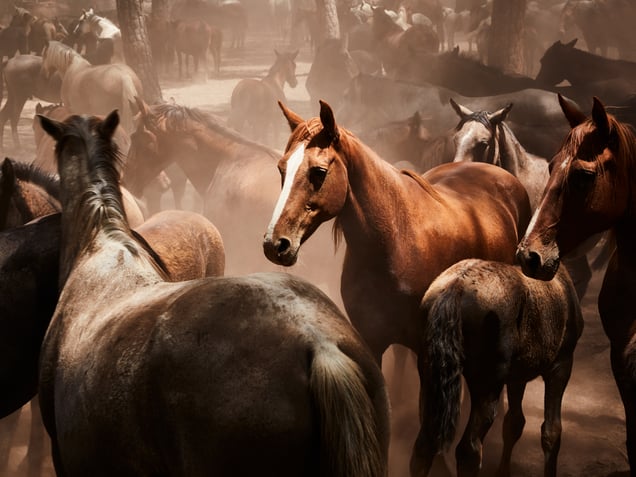
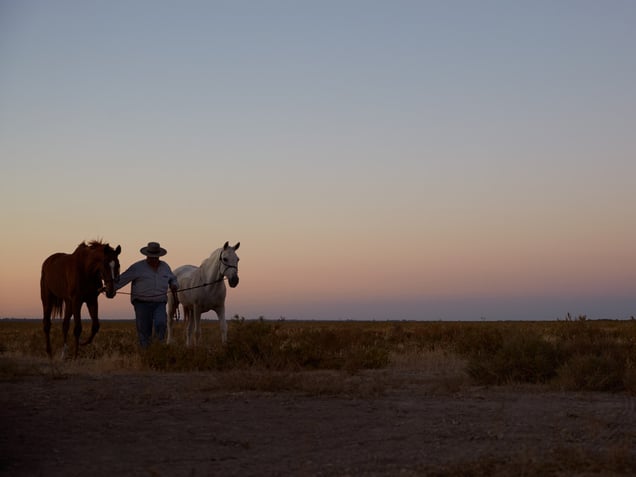
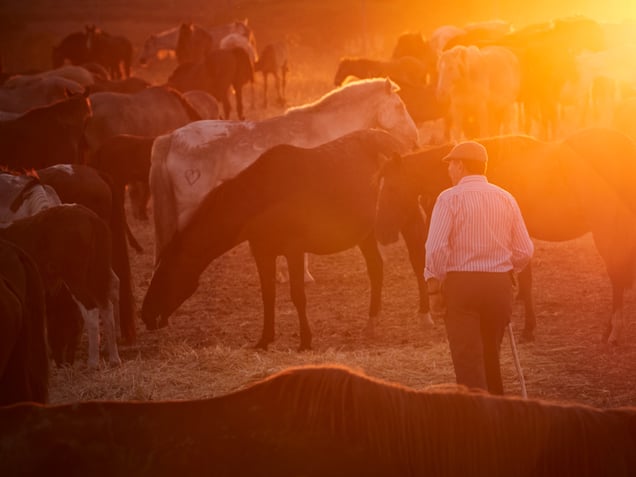
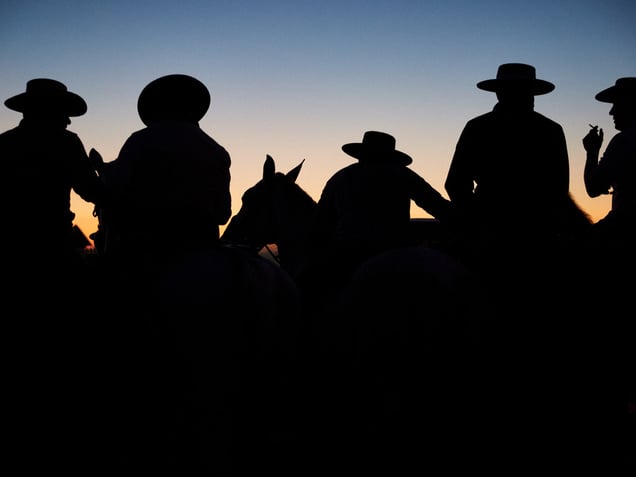
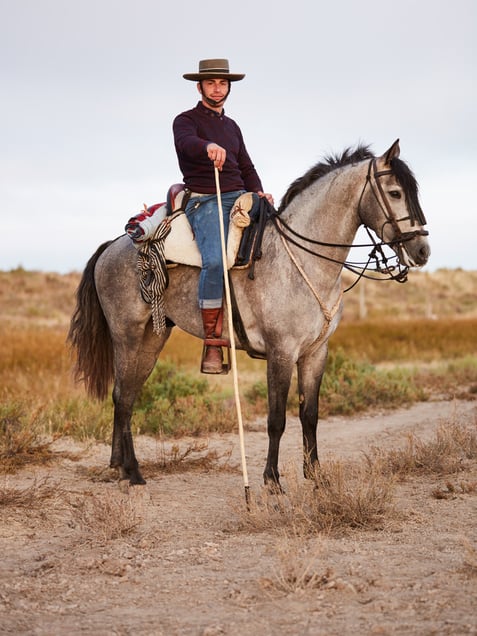
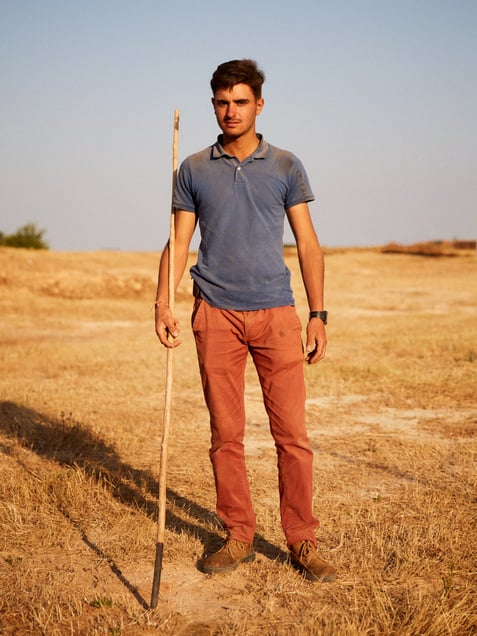
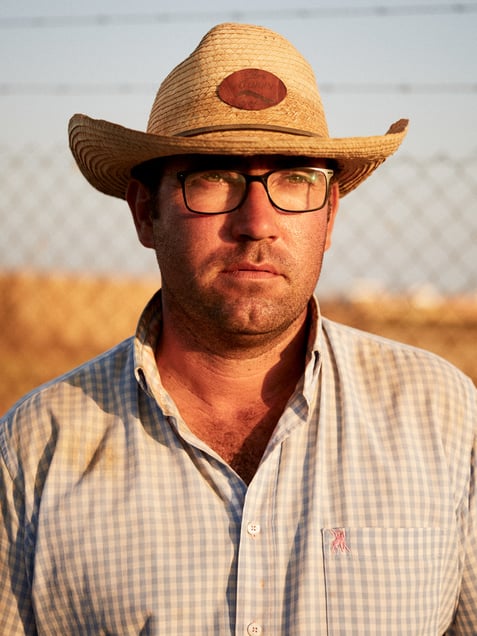
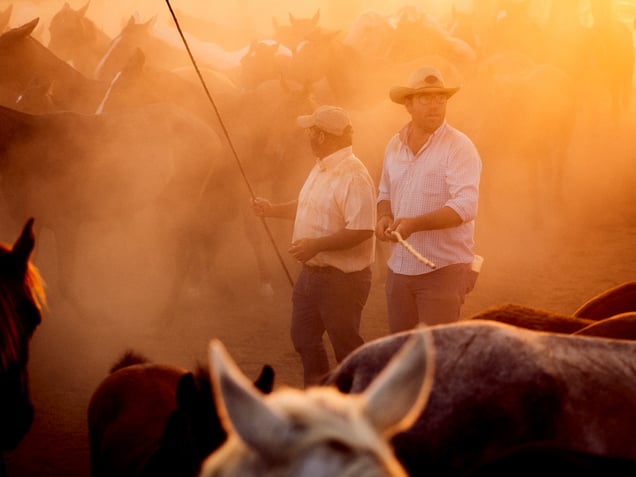
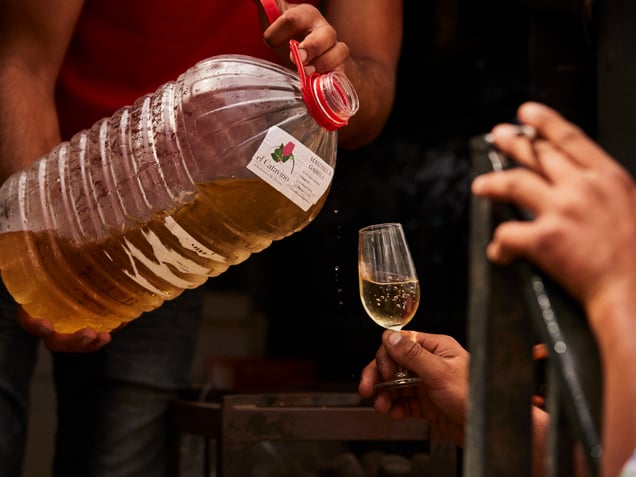
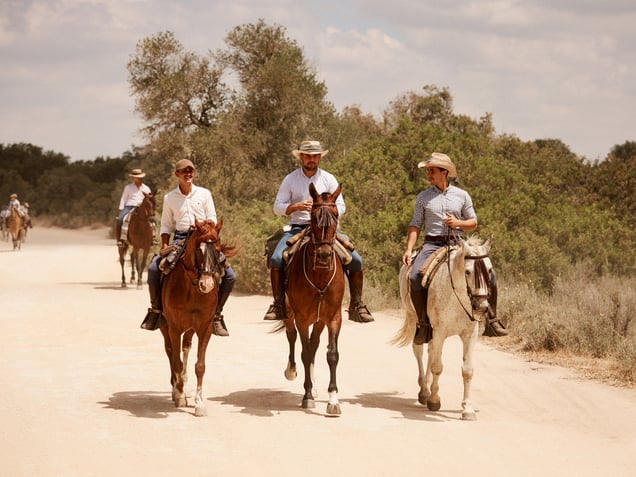
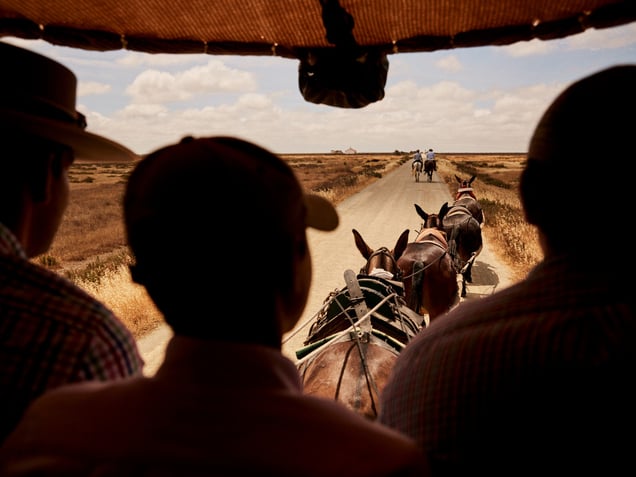
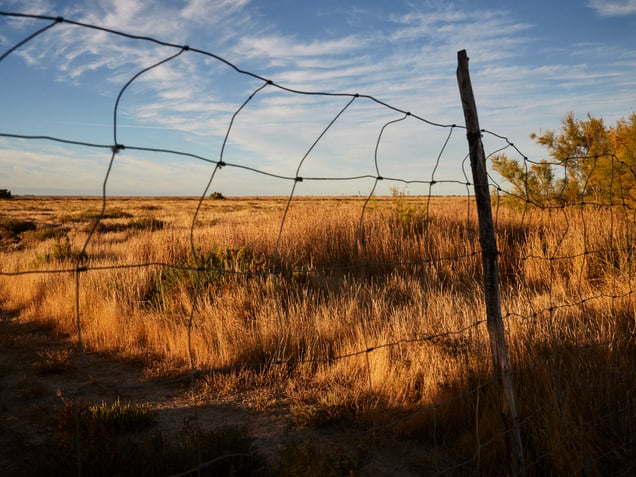
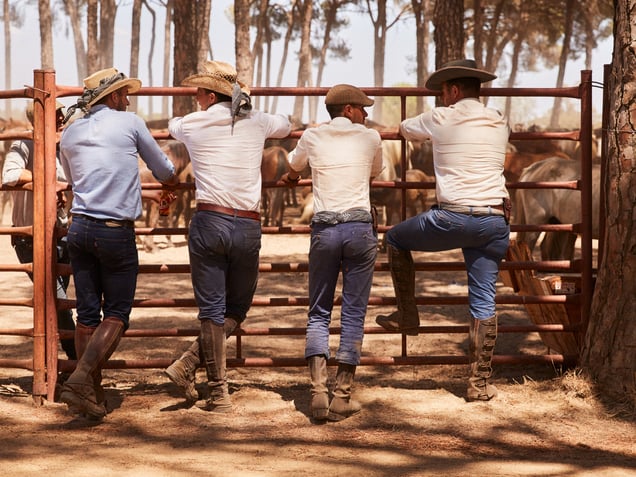
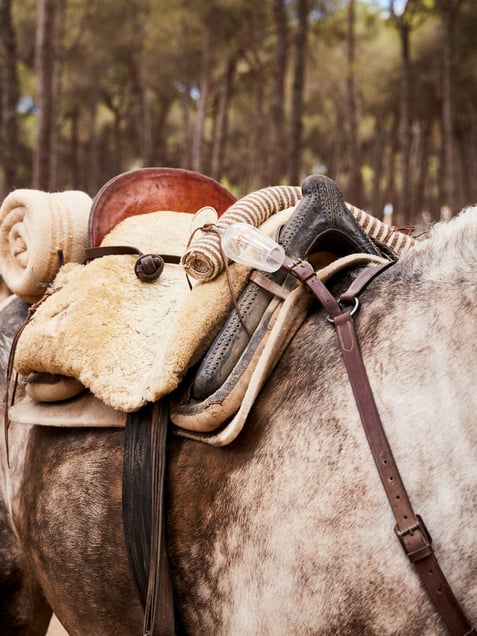
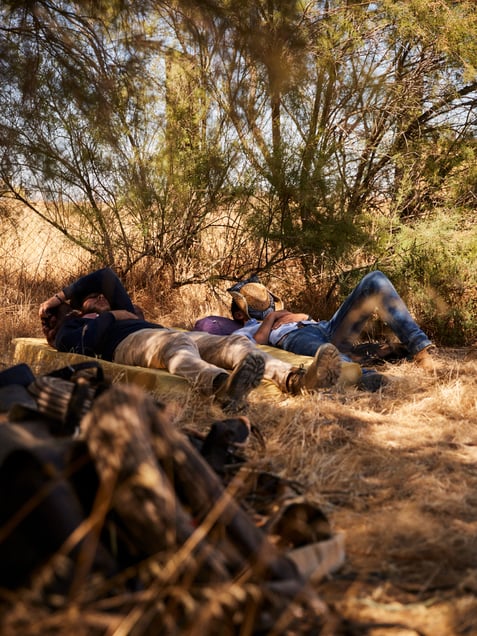
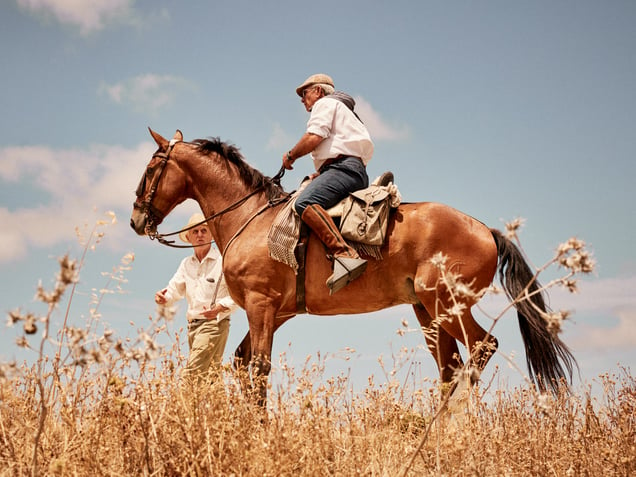
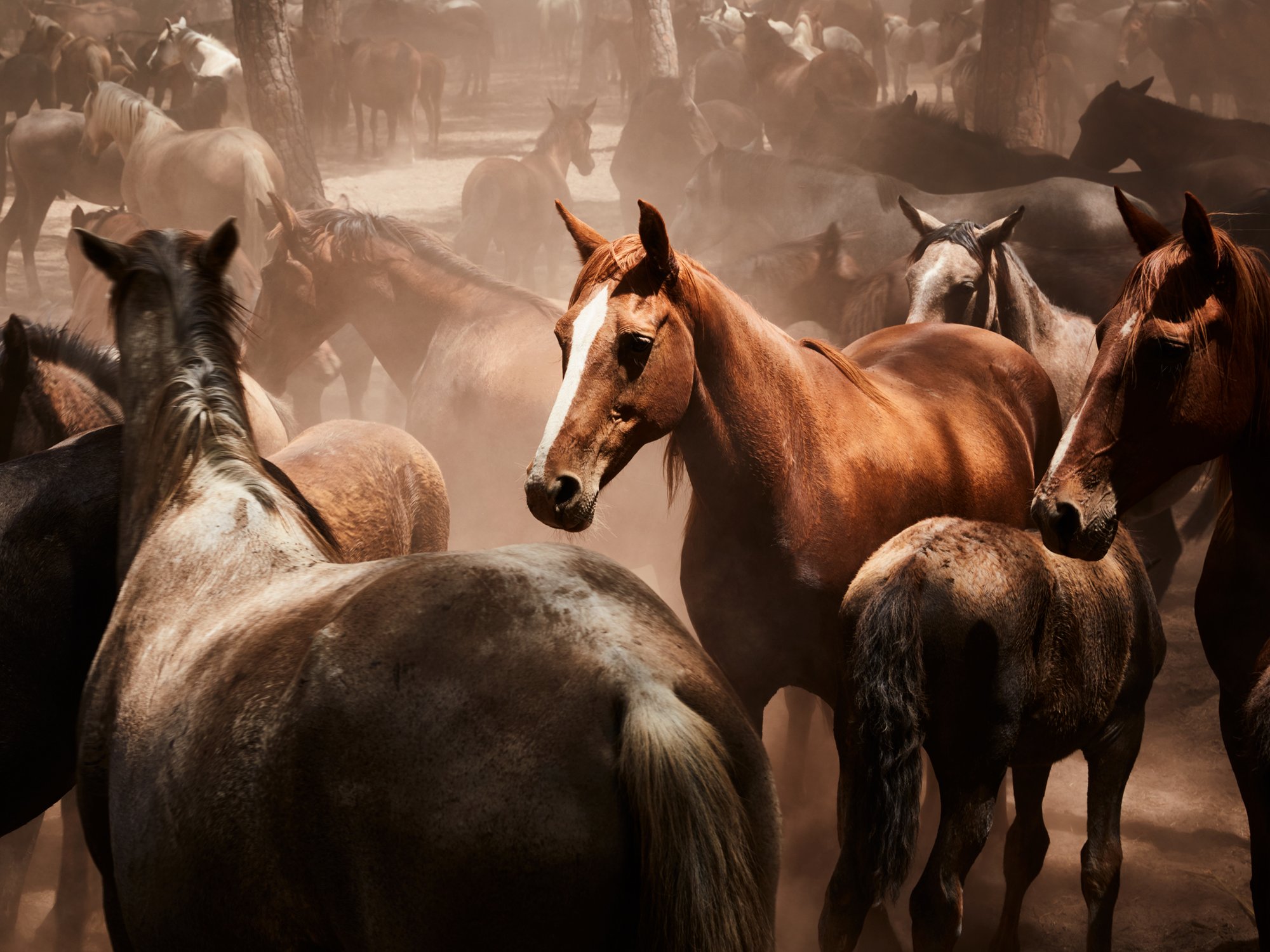
Yegüerizos - The Horse Men of Almonte In the municipality of Almonte in Southern Spain horses are integral to the way of life. Streets in the town of El Rocio are unpaved and in place of tarmac you find sand. Bars have tables outside at the height of a horse so you can sip your drink without having to dismount. Dusty air blows bits of straw and hay around and it feels like you could be in the wild west. Nearby in the national park, hundreds of wild horses roam freely throughout the year. They are wild but they belong to the men of the Almonte region, most people own just a few horses and depending on how many foals they produce the number will fluctuate. The park spans 340 square miles and is home to Eagles, Lynx, Deer and Boars. It’s a wild and rugged place and in summer the earth dries out and cracks as it surrenders to the unrelenting sun. Once a year the men of the region trek miles into the vast marshlands of the national park on horseback and begin to round up the many wild horses. It’s a tradition that has been honoured for over 500 years. Once inside the park, the men eat, drink, play the guitar and sing songs together. The work of gathering the horses is hot and demanding so the men stop often for refreshments of cured meat, sherry and cold beer. And when nightfall comes they bed down in abandoned buildings and tents and try to ward off the mosquitos until sunrise the following day. Days later up to 1000 horses are driven back into the local towns. The locals come out to cheer the men on and witness the spectacle of so many horses galloping through the narrow streets. Once they arrive in the town of Almonte they are separated according to ownership, their hair is cut, the foals are branded and some are sold. Some days later the rest of the horses are then driven back through the forests and sandy tracks into the marshlands to live freely until the following year. The people of the region are innately proud of their way of life and their traditions. And their unity with the horses indigenous to Andalucia. The Retuerta and Marismeño both of which have been placed on the list of endangered species.
No categories selected
Photos (22)