
Afghans of Kolkata
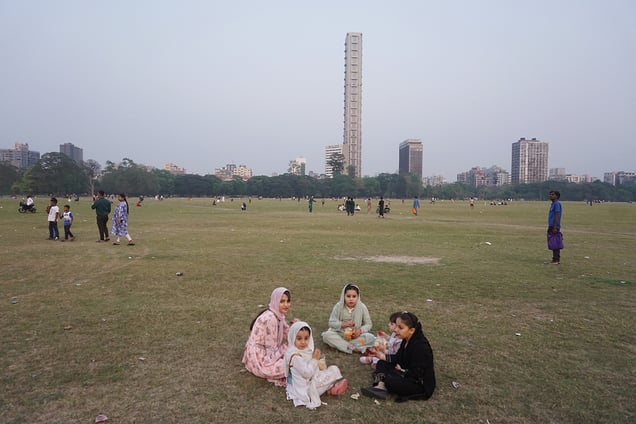
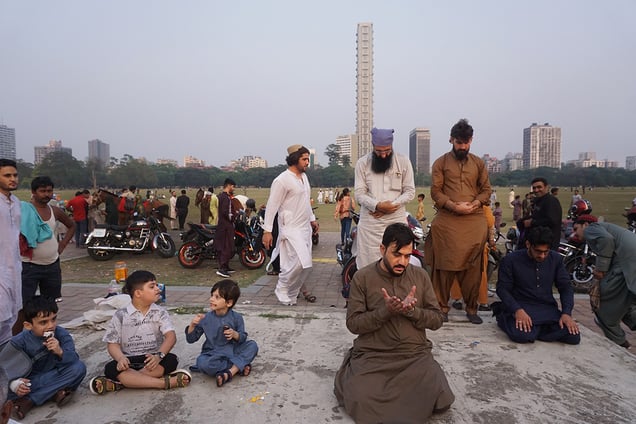
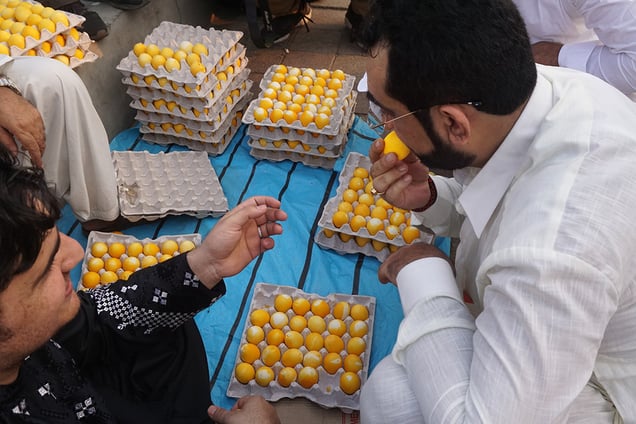
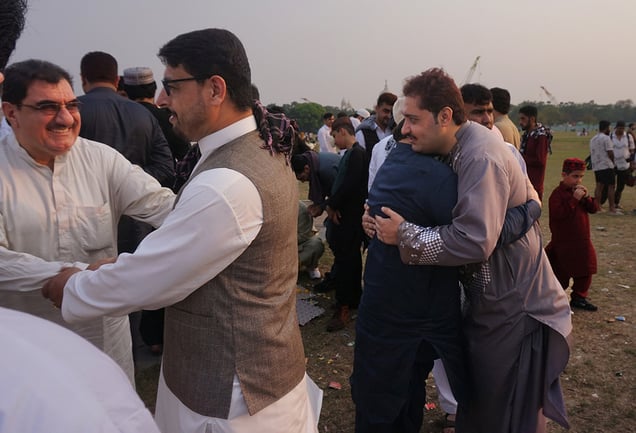
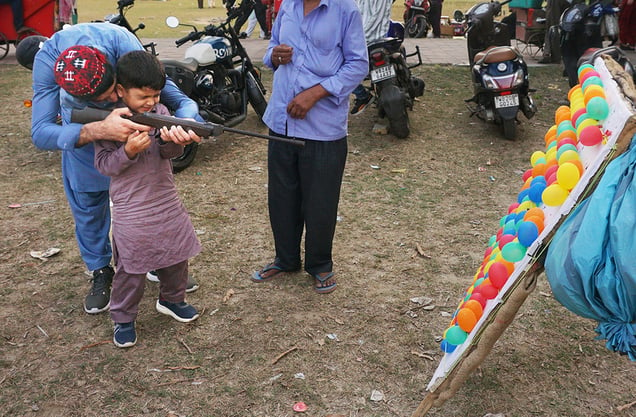
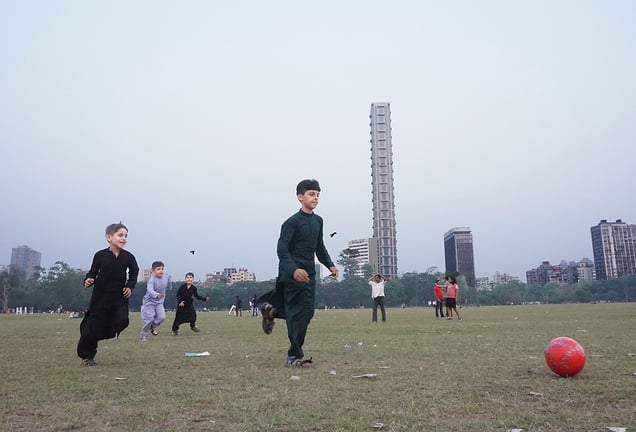
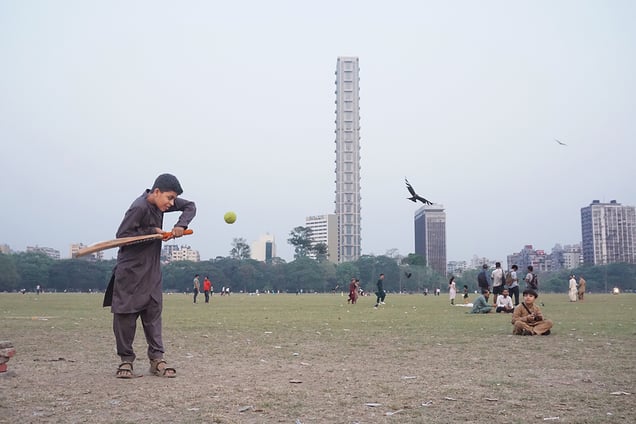
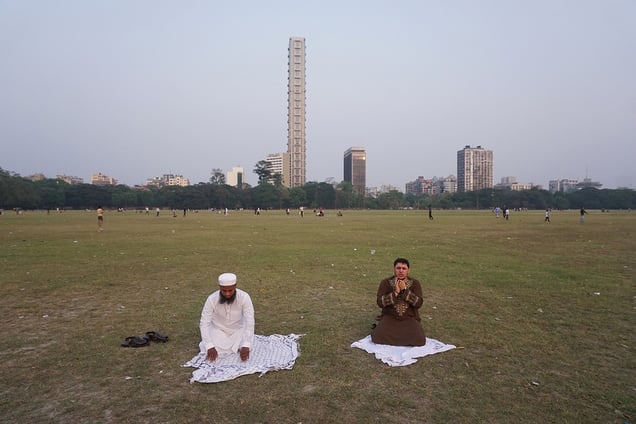
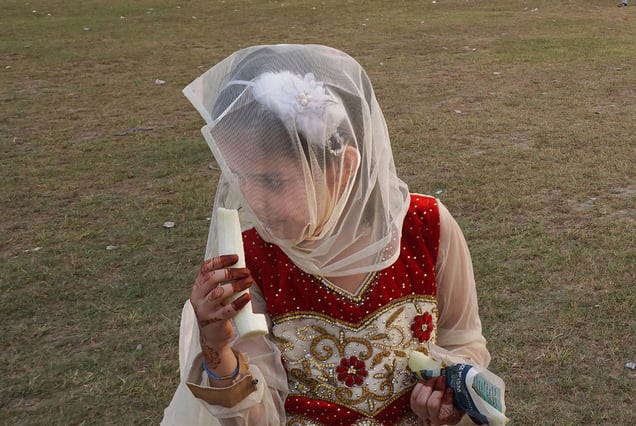
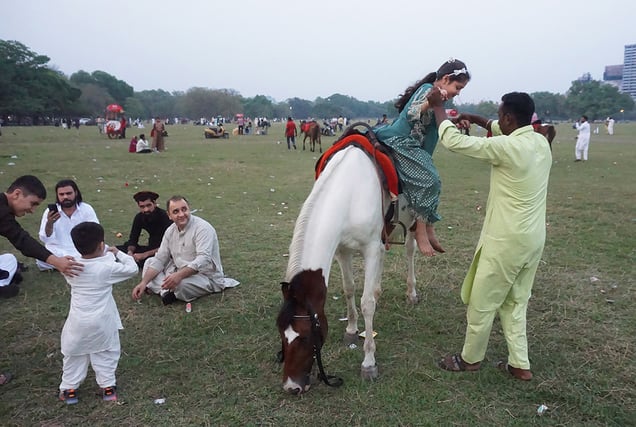
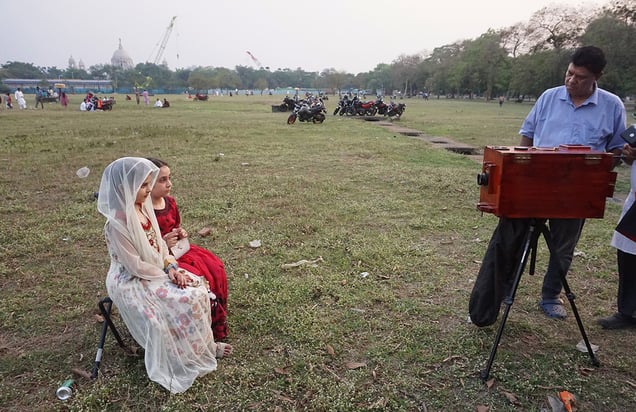
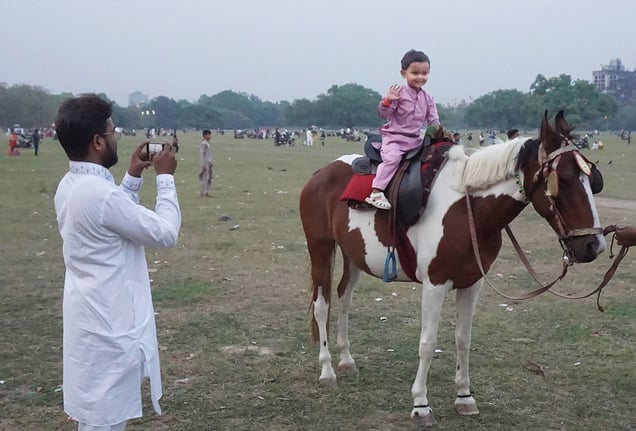
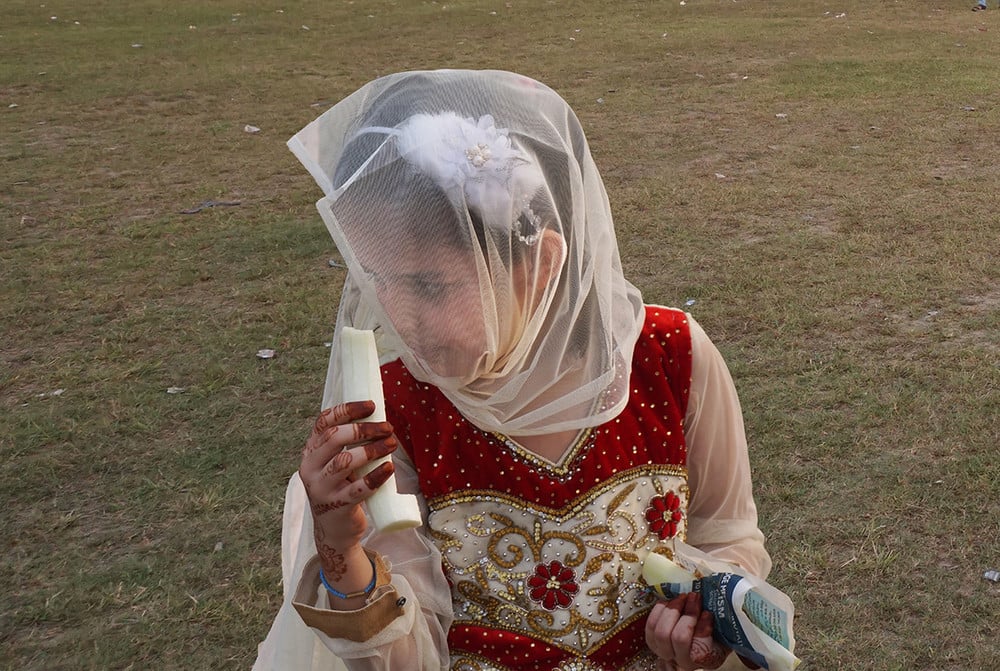
Each year, as the crescent moon heralds the conclusion of the sacred month of Ramadan, members of the Afghan Muslim community residing in Kolkata, India, partake in a time-honored tradition that intertwines cultural nostalgia with spiritual celebration. On the auspicious occasion of Eid al-Fitr—a festival imbued with deep religious significance and communal harmony—they gather with their families, friends, and fellow compatriots at the expansive green expanse of the Maidan, a historic and iconic urban commons nestled in the heart of the city. Against the backdrop of Victoria Memorial’s white marble grandeur and the bustling hum of Kolkata’s life, the Maidan transforms into a vibrant tapestry of joy, prayer, and shared humanity. Here, the Afghan diaspora momentarily transcends the borders that separate their present from their homeland, embracing a collective sense of belonging as they exchange warm embraces, offer prayers, and partake in traditional delicacies. Children dressed in new clothes run freely across the grass, while elders, in their flowing robes and embroidered caps, exchange stories and blessings beneath the open sky. This annual pilgrimage to the Maidan during Eid not only reflects the resilient preservation of cultural identity amidst displacement but also symbolizes the inclusive spirit of Kolkata—a city where diverse traditions converge in peaceful coexistence. Through this act of communal congregation, the Afghan Muslims of Kolkata reaffirm their faith, celebrate their heritage, and participate in the broader mosaic of Indian secularism and pluralism.
No categories selected
Photos (12)