
ASHES OF THE ARABIAN'S PEARL
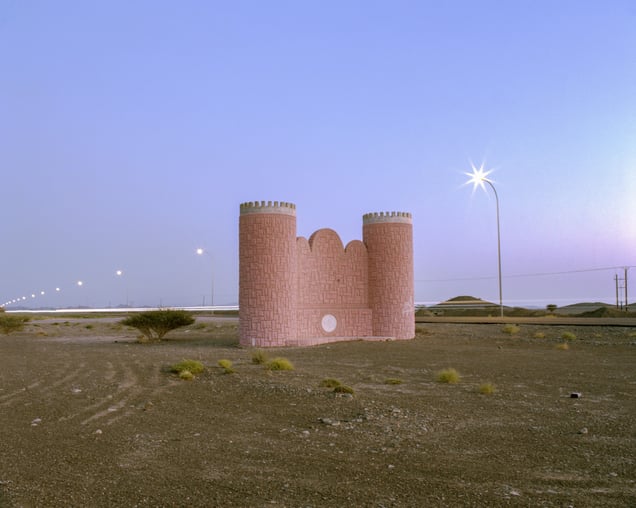
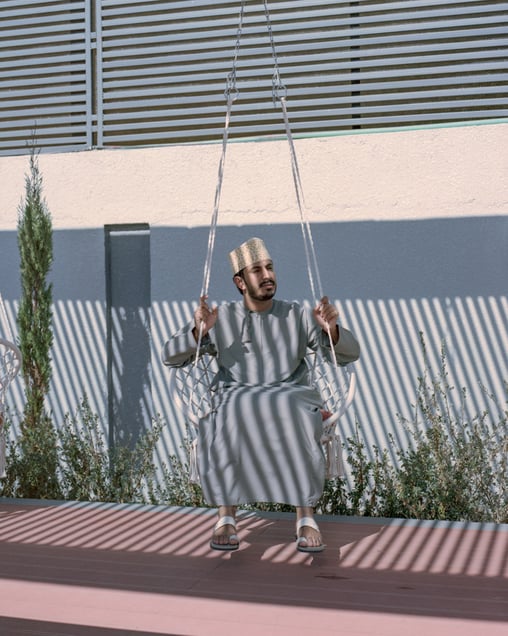
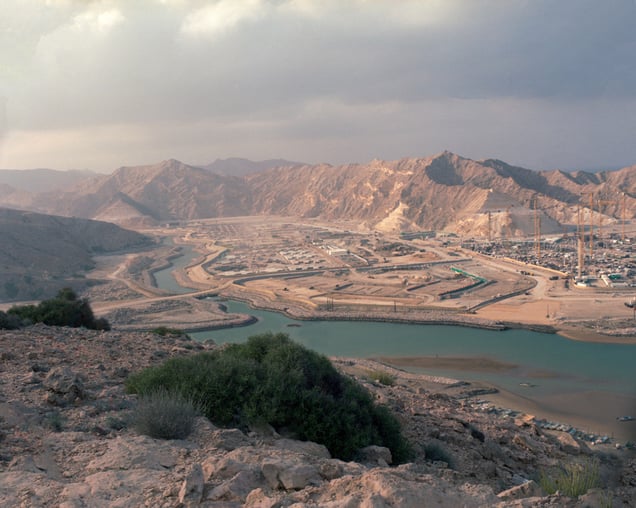
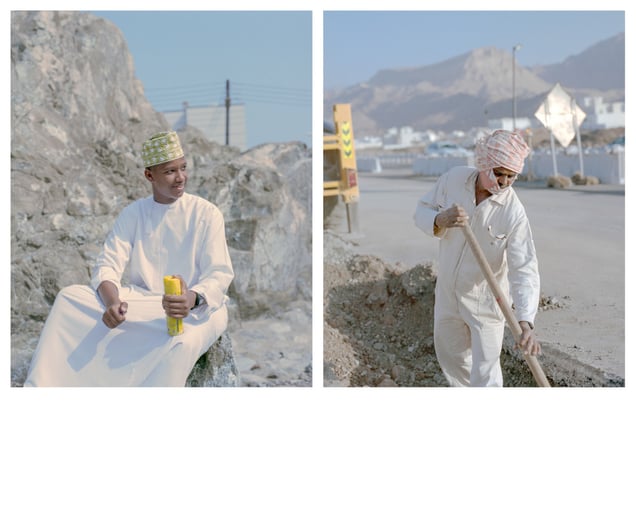
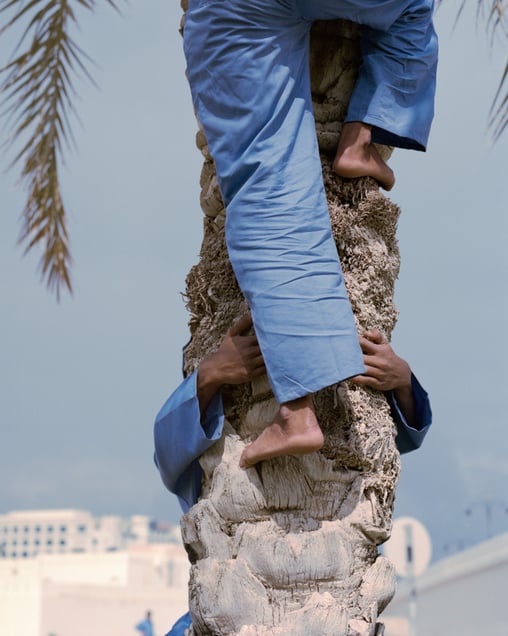
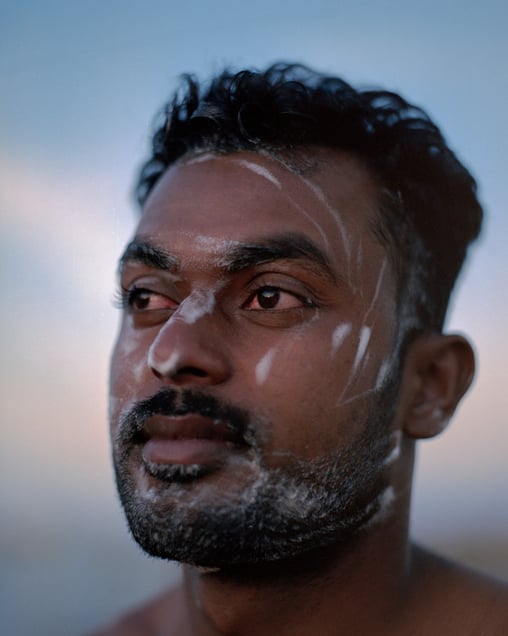
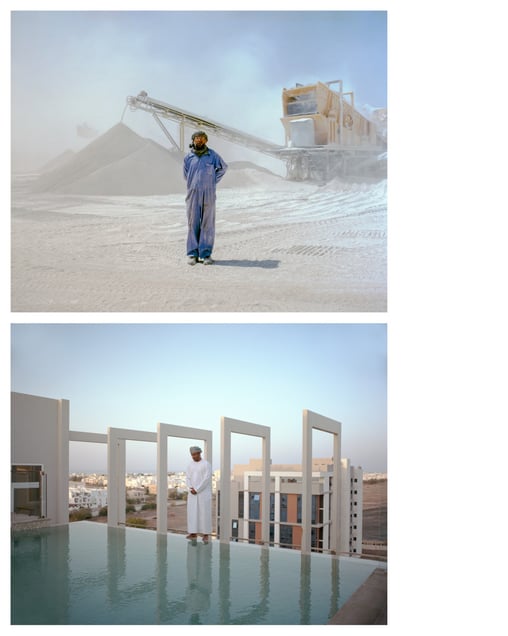
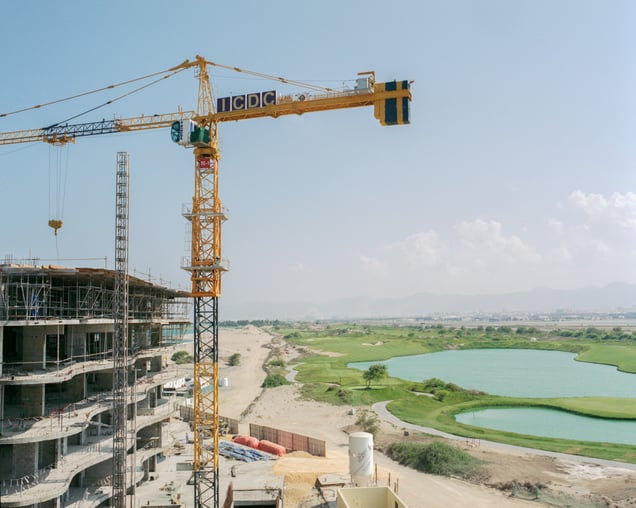
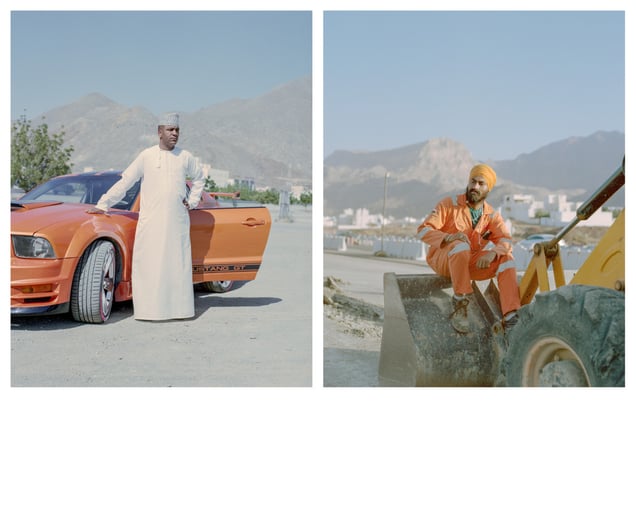
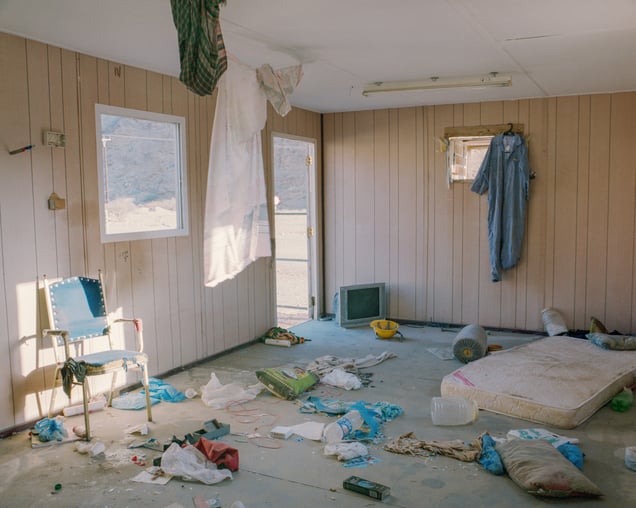
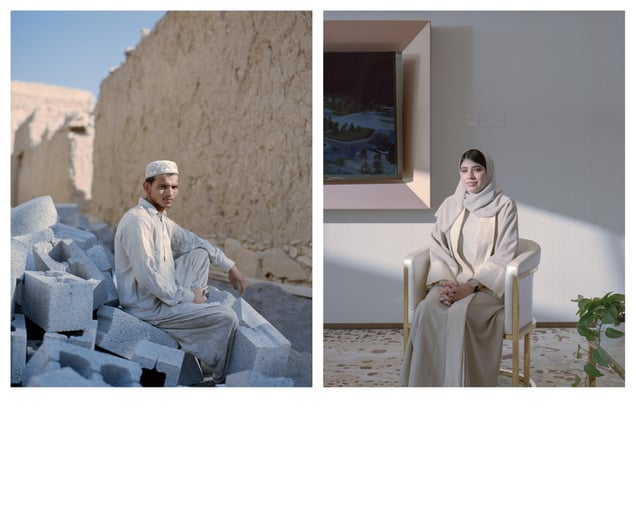
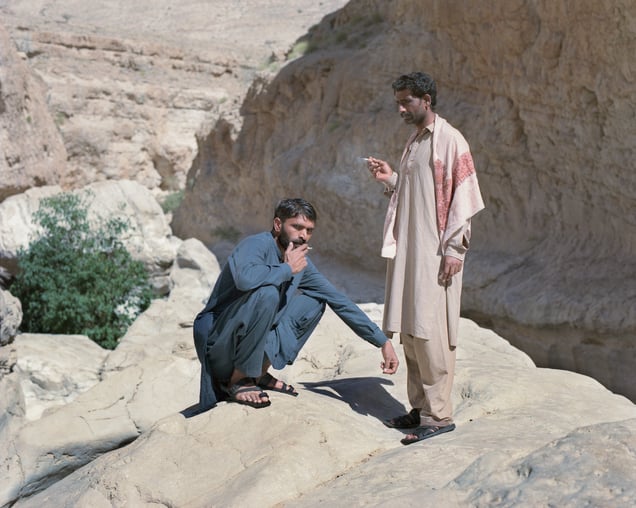
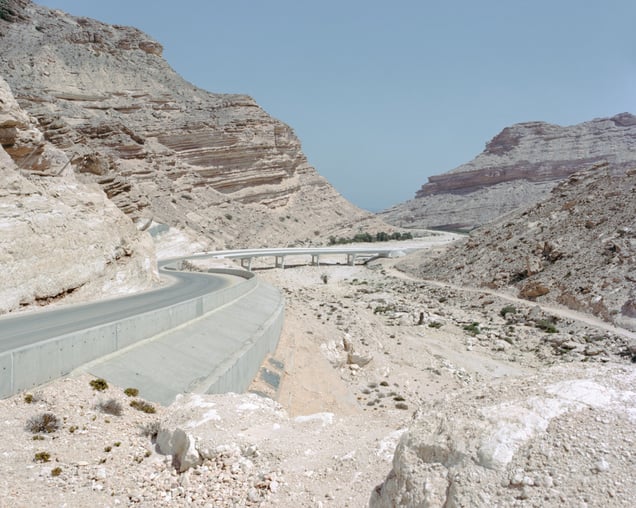
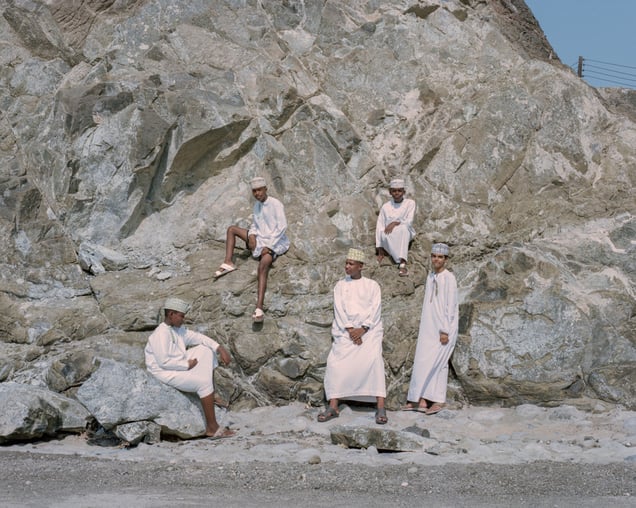
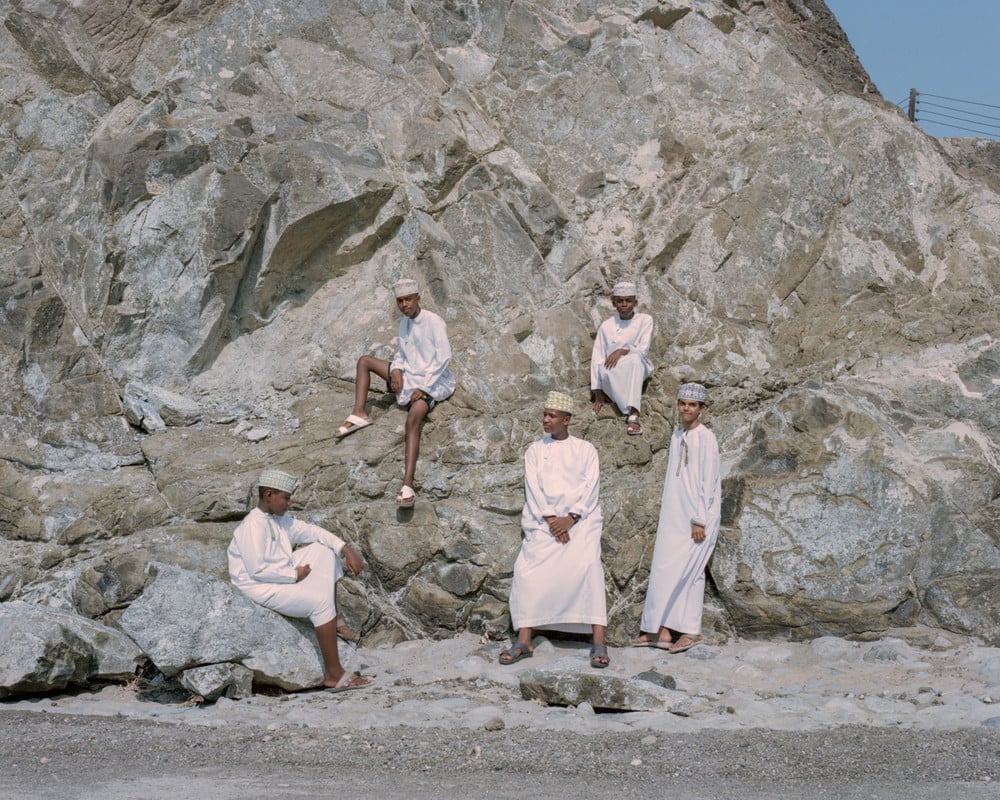
On January 10, 2020, the Sultanate of Oman mourned the death of Qābūs Bin Sa‘īd Āl-Būsa‘īdī, a beloved and cherished monarch whose fifty-year reign was marked by longevity, an absolute record in the Arab world. Throughout these years, Sultan Qābūs had shaped himself into a founding figure of modern Oman, dedicated to rapidly developing the country through oil wealth and inspired by the myth of the « Nahda ». Now, it falls upon his cousin, the current Sultan Haitham Bin Tariq to pursue the new development policy «Oman Vision 2040 » initiated by Qābūs before his death. Between the end of a successful reign for Sultan Qābūs and the commencement of Haitham's era, « Ashes of the Arabian's Pearl » explores a period of interconnection, a chrysalis of monarchic transition, and the pressing need for economic diversification as the oil and gas resources dwindle. In that spirit, this photographic research summons the whispers of the past - the imprint left by Qābūs - by mobilizing a unique category of objects, spaces, and buildings that intrigue us because they seem out of place, known to be remnants of the past, forgotten, sometimes hidden. But what past? Why are they there? What were they used for? How long will they remain? These mnemonic signs point to the connection between space – that of territorial planning– and time – the glorious reign of Qābūs – in nostalgic and memorial processes. "Ashes of the Arabian's Pearl" also cultivates a metaphorical conversation between two distinct demographics to illustrate the lifestyles of the skilled artisans who craft the dreams of the nation, hailing from India, Pakistan, and Bangladesh while contrasting their experiences with those from Omani entrepreneurial families. Overall, «AOTPS» is a multidisciplinary project combining a corpus of archives (resignation letters, canceled visas, medical orders and reports, pay stubs, dietary regimes, circulars, time sheets, etc.), sound recordings, objects found in abandoned labor camps (work tools, clothing, maps, personal items, etc.), and a set of over a hundred medium-format photographs. Much like the Sultanate of Oman itself, this project resides at the crossroads of dual temporalities, serving as a poignant bridge between the past and the present.
No categories selected
Photos (15)