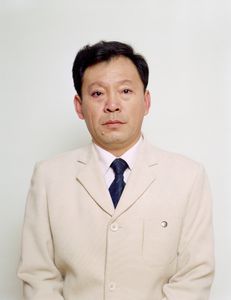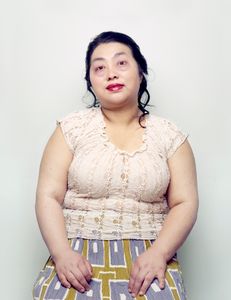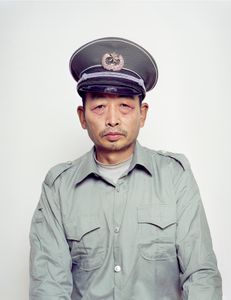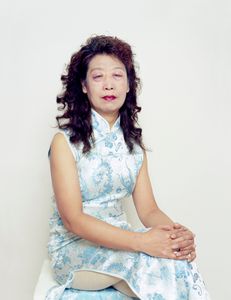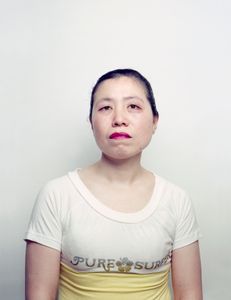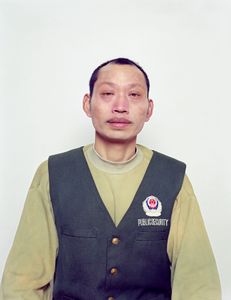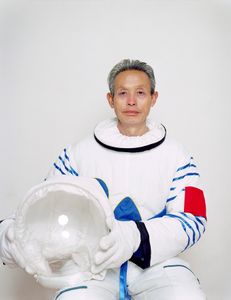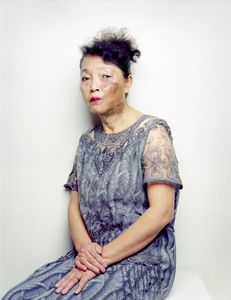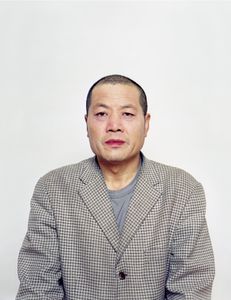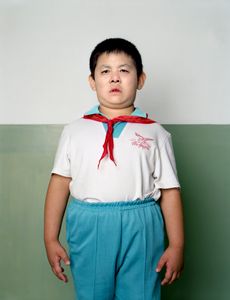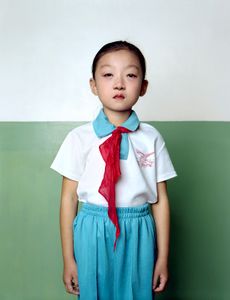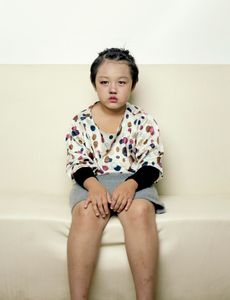
Temporary Performers 2007-2010
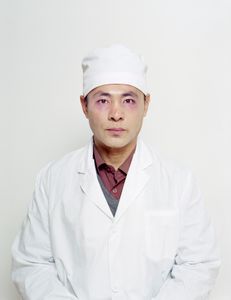
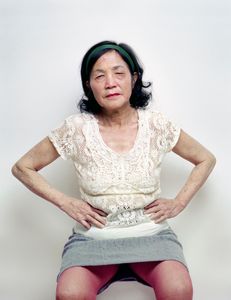
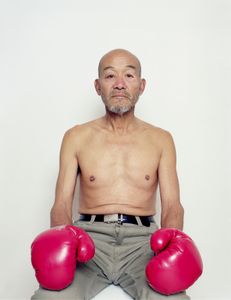
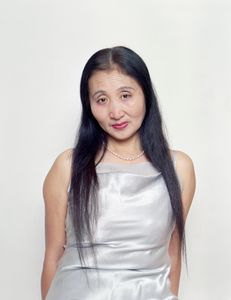
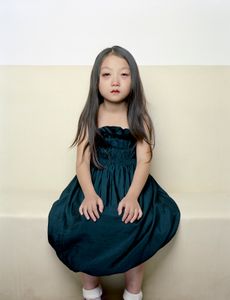
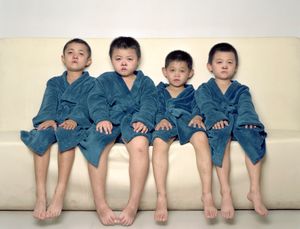
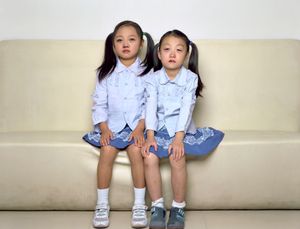
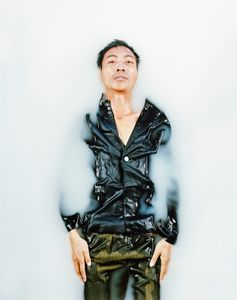
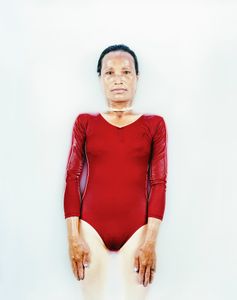
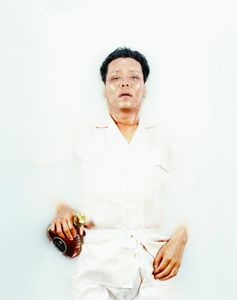
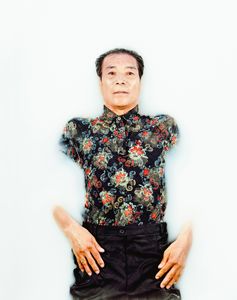
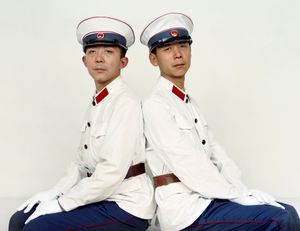
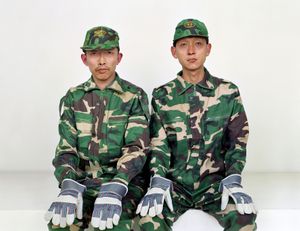
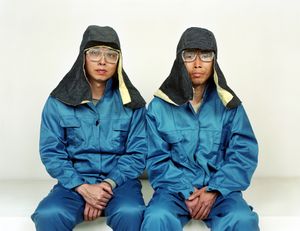
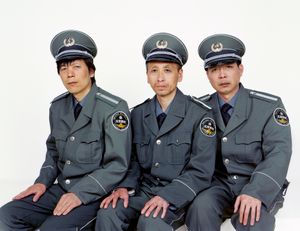
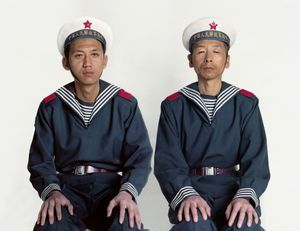
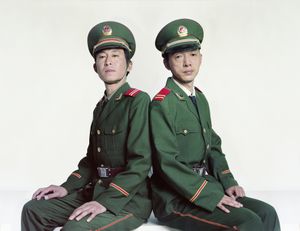
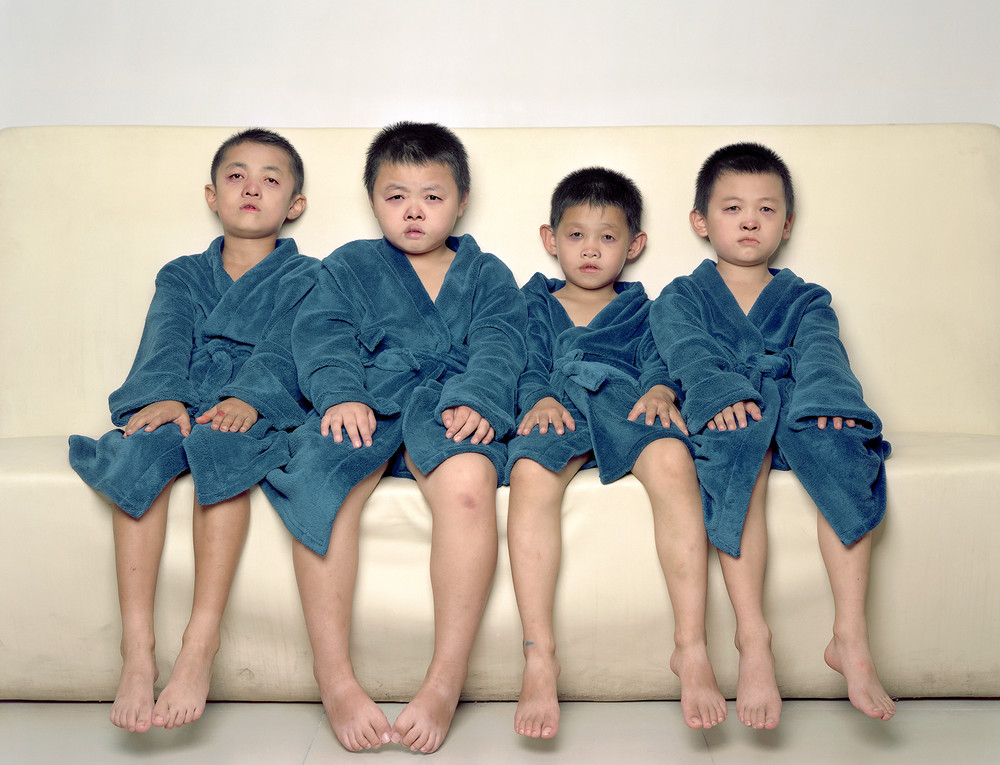
“Temporary Performers” is a series of works I created between 2007 and 2010. After completing the photography, I found that the images were far from what I had initially imagined. To enhance the magical power of the reality captured in the photos, I used digital synthesis techniques to swap the facial features of the subjects, creating virtual faces—some of which even became entirely virtual “people.” Strangely enough, I cannot explain why these randomly swapped faces ended up achieving a peculiar sense of “resemblance.” What struck me the most were the distinct facial features of each person caught by the lens, the expressionless components of otherwise ordinary Chinese faces. The differences in identity reflected the fluidity of their inner states and showcased the gradual evolution of individuals within a materialistic era. In a fast-changing world, uncertain identities lead everyone to potentially become temporary performers. The Children’s section of “Temporary Performers,” titled “Fairy Tale,” is a group of images inspired by this perspective. Before the shoot, I abandoned the romanticized and innocent notions traditionally associated with childhood. Instead, I took on the viewpoint of someone who has “been through it,” traveling through fragmented memories back to my own past. I followed the thread of my childhood experiences—growing up, being educated, receiving care, and facing restrictions—to explore the contradictory theme of care and harm. In this series, I used adult facial features to collage onto the children’s faces, blending their innocence with the marks of adulthood. This juxtaposition reflects my understanding of growth, especially within the unique socio-cultural environment of China, where children often bear the weight of adult expectations and societal pressures from a very young age. These pressures accelerate their transition into adulthood before their identities are fully formed. In the fleeting moments captured during the shoot, the children displayed a mixture of confusion, melancholy, and an innocent unawareness. The combination of body posture, skin color, red scarves, and the ambiguous pink-toned background intensified the invisible, melancholic atmosphere. Perhaps “Fairy Tale” represents a reality I have consciously constructed, but who’s to say that a constructed reality is not, in itself, an allegorical truth? Zhang Wei
No categories selected
Photos (29)