A' Muntagna
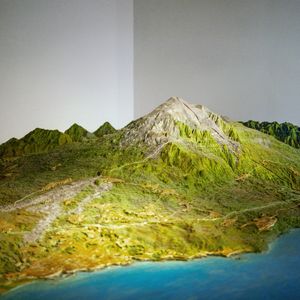
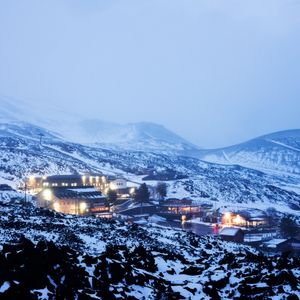
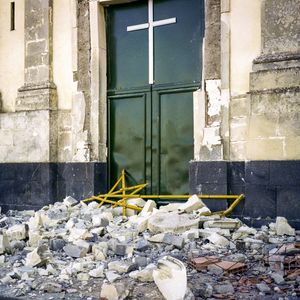
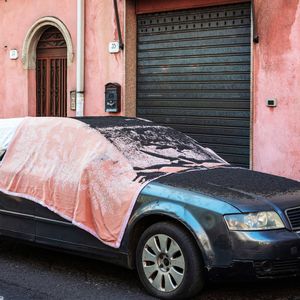
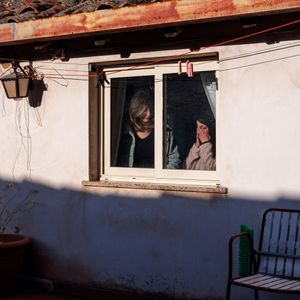
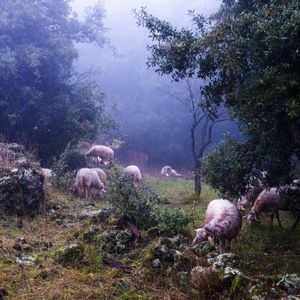
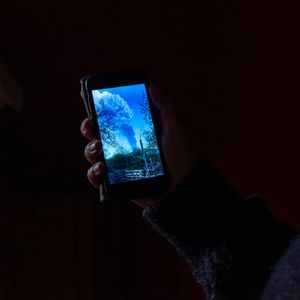
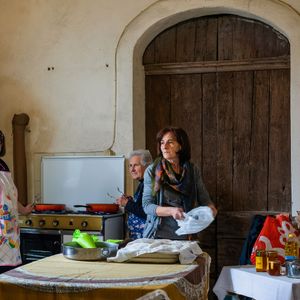
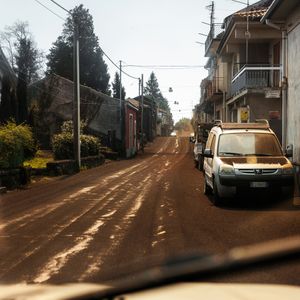
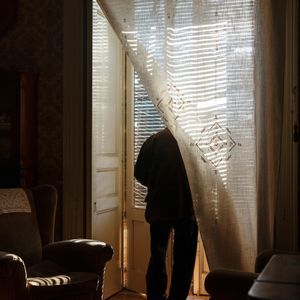
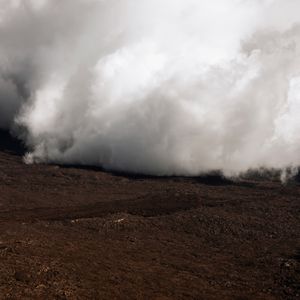
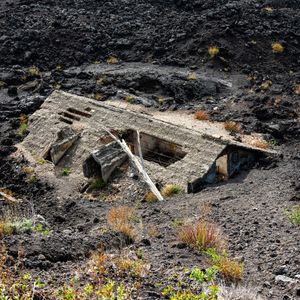
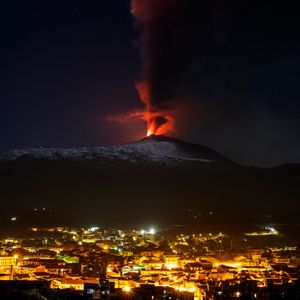
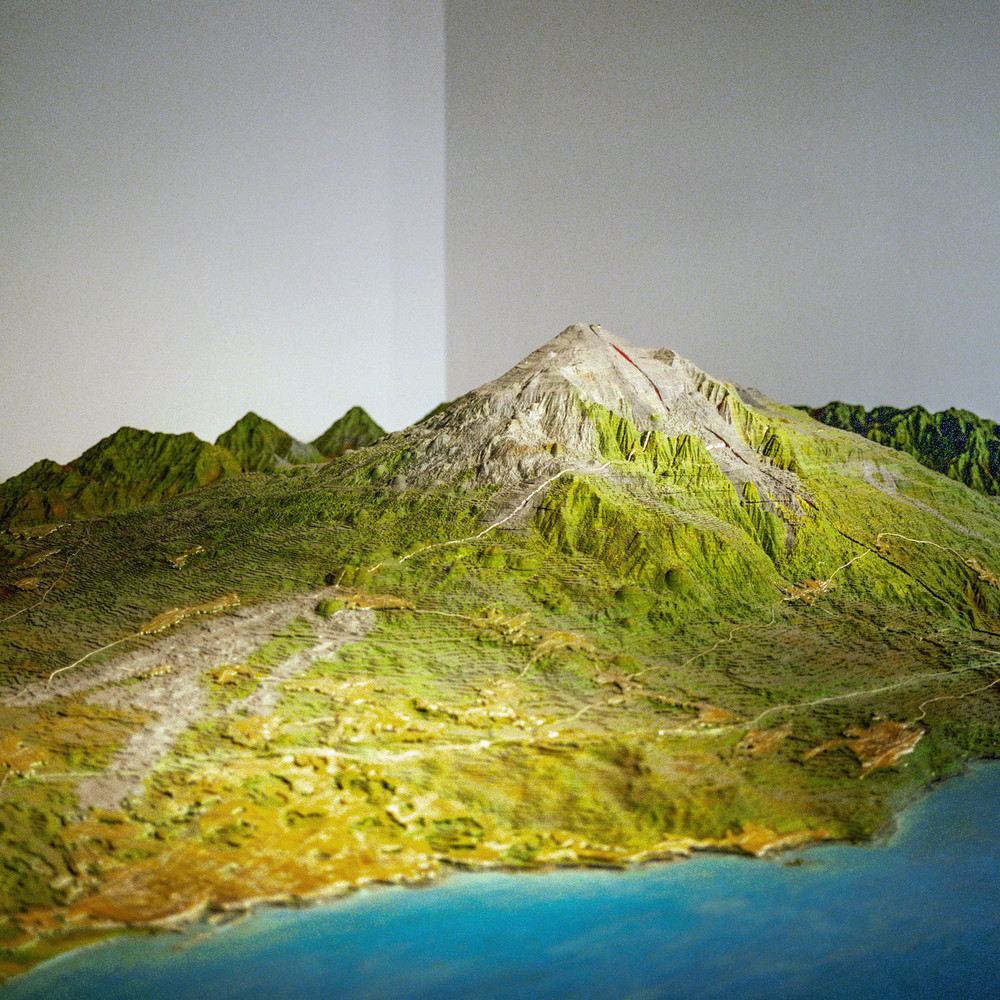
Mount Etna and the surrounding area is an island within an island. It’s the highest active volcano in Europe, a majestic presence that touches all of Sicily and all Sicilians but for those who live on its slopes, it's a real and significant presense to live with day after day. They simply call it ’A' MUNTAGNA – dialect for “the Mountain” – and they do not let its shadow dim their lives; in fact eruptions are considered an unmissable sight, so much so that at the first rumblings you can hear people call out: “The Mountain has burst, let’s head for the summit!” As you approach the giant form of Mount Etna you are overcome by a feeling of enormous respect, born of being in the sight of this all embracing mother, but stemming also from the memory of the damages of the past. Travelling around Mount Etna I couldn’t help but think of it as a living being, with its sulphurous smells, roars and tremors. Along its slopes I heard the echoes of the verse and tread of the poets who visited Mount Etna in order to experience the deep connection between man and the heart of the earth found only in such close proximity to a volcano. Recently, the volcano has once again made its voice heard strongly and in the first six months of 2021 more then 50 eruptions have been recorded, eruptive columns have risen up to nine kilo-meters above the sea level, lapilli and ashes have covered entire villages around the volcano itself. In this cycle of activity Mount Etna erupted about 60 million cubic met
No categories selected
Photos (20)