The Human Fire
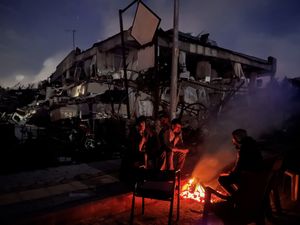
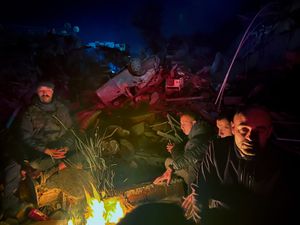
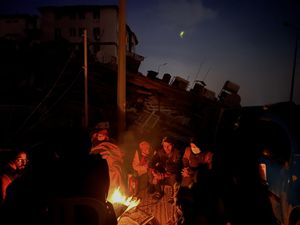
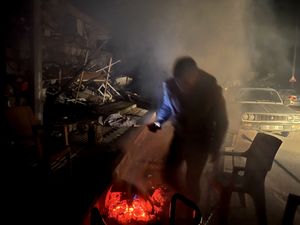
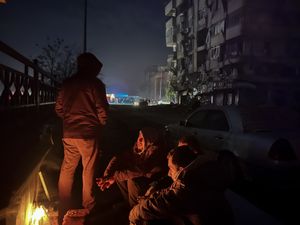
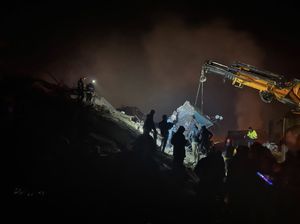
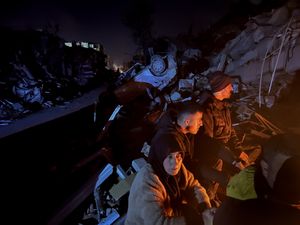
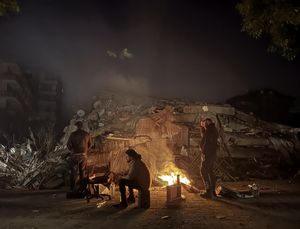
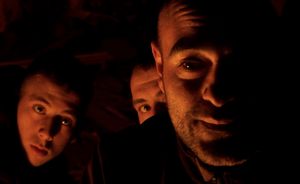
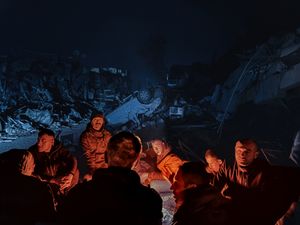
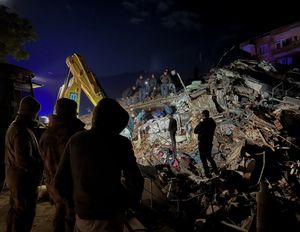
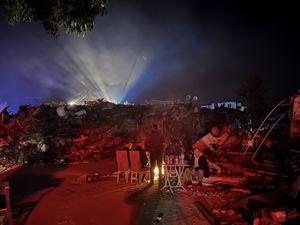
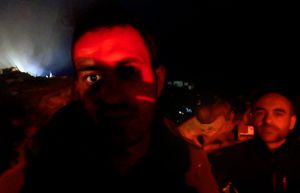
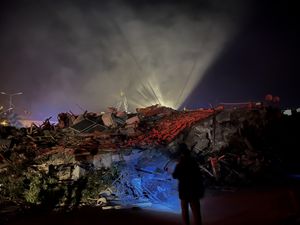
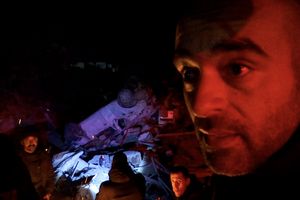
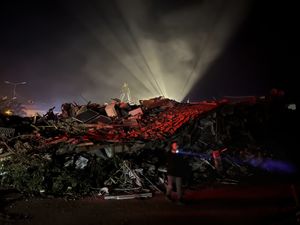
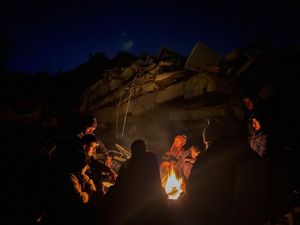
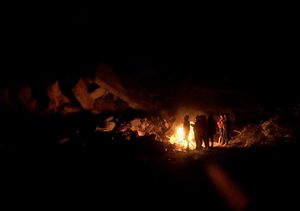
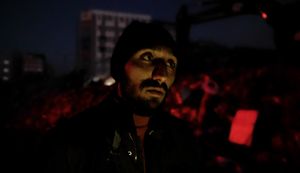
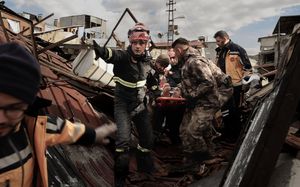
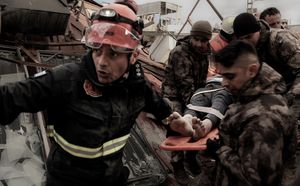
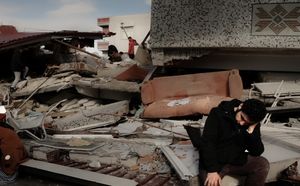
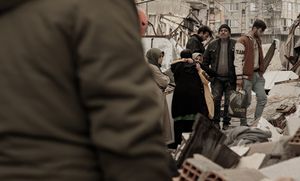
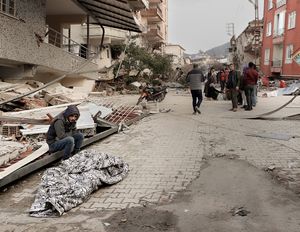
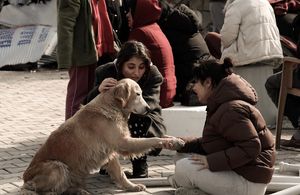
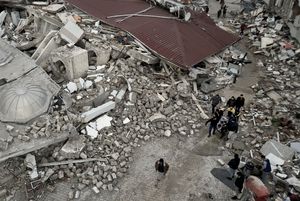
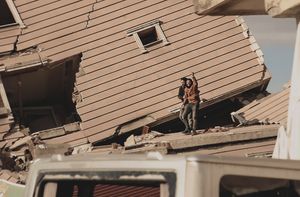
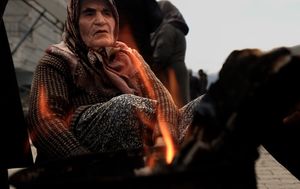
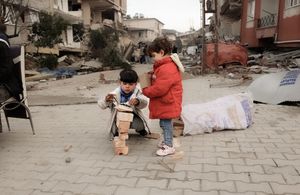
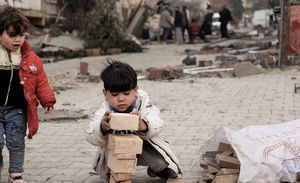
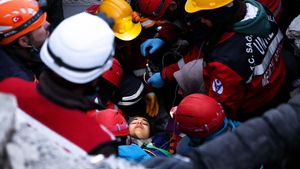
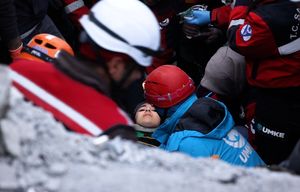
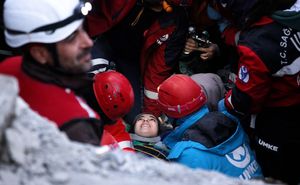
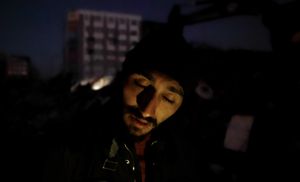
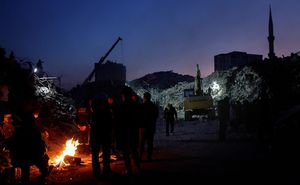
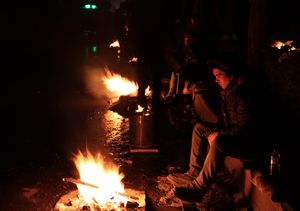
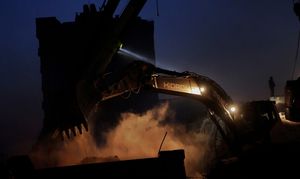
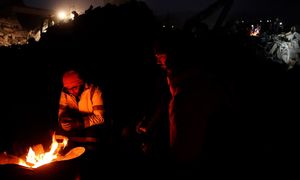
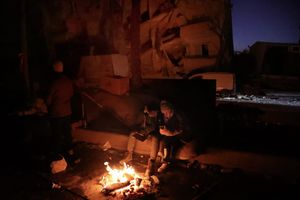
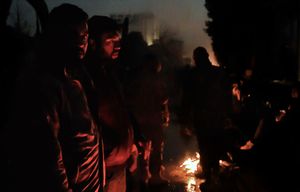
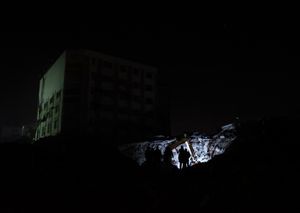
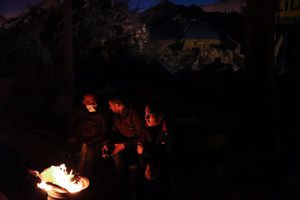
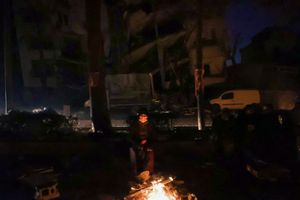
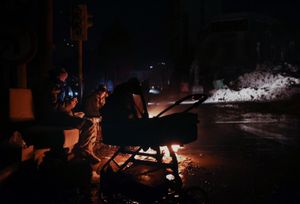
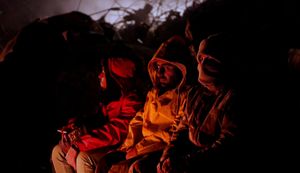
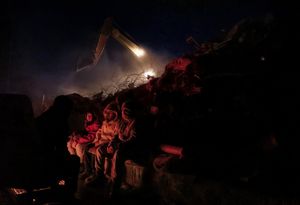
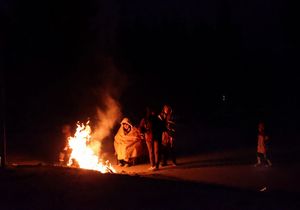
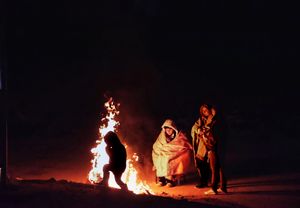
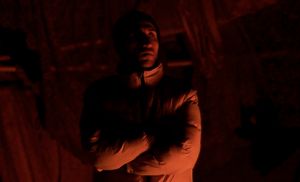
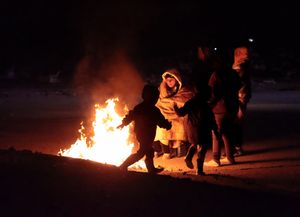
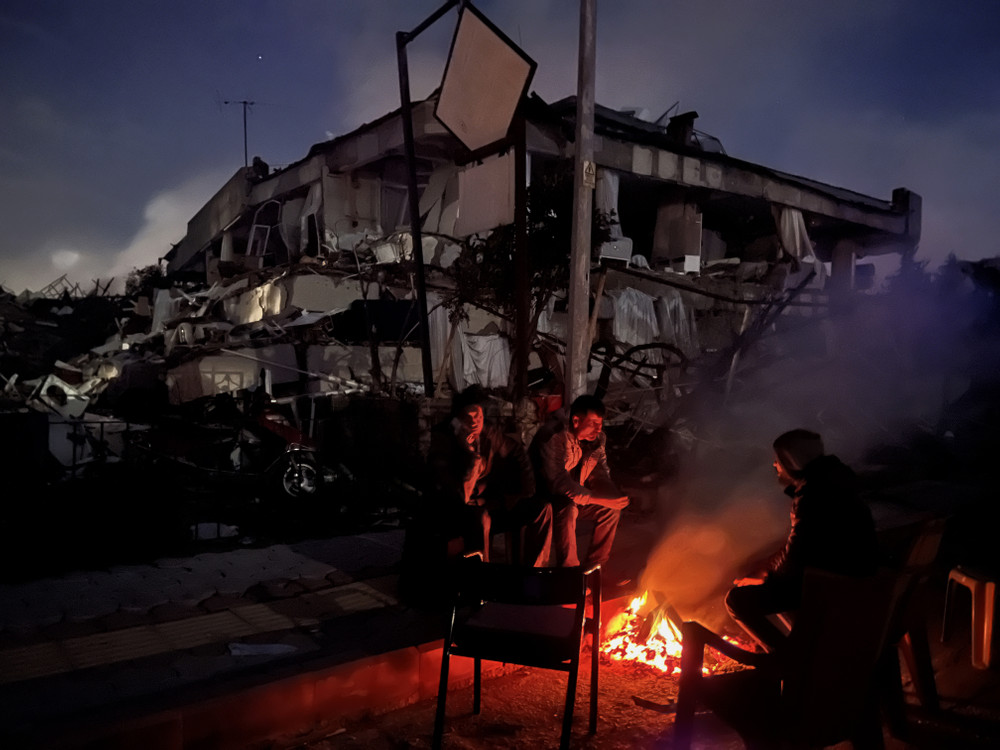
It is not easy to speak to a nine-year old boy about a catastrophic earthquake but, when I came back from a week-long assignment in Turkey and my son, Martino, came to the door to hug me back, I knew I could not escape it. Martino is used to my work travels but this time it was different. He did not even let me put my bag down and hugged me, strongly, repeatedly, insistently. Tenderly. It felt like a vine trying to hold on a trunk. He must have sensed that I had come back from a space of unspeakable death, devastation and pain. I choose to speak to him by showing pictures. I find that easier when things are difficult. The next morning we sat down and I went through some of my photos. Not all of them. Some. ''The Human Fire'' - really - simply replicates that conversation I had with my child son. It follows the selection of pictures I showed him. At the heart of it lies the fact that he was mostly attracted by my night pictures, showing the survivors gathered together around fires, often in front of the rubble and ruins that had been their houses and were no more. Martino told me the scenes made him think of the when primitive humans invented fire. It struck me like a lightening. This is the idea that unites these pictures. When the infrastructure made by the genius of humans and that protects us from the world we inhabit crumbles and is destroyed - as it happened in Turkey and Syria on February 6 - humans turn to fire for protection. Huddled together around it, fire can defend them against the freezing cold as well as from the abyss of despair and terror. The 7.8 and 7.7 successive earthquakes hit about 10 large cities, affected 9 million people, turned multi-story buildings upside down, bent them, reduced them to rubble. So far we know that more than 50,000 died but the number will probably grow. The lives of so many dramatically changed overnight. As we went through the pictures, we mostly stuck to the night ones. I skipped the ones were death, pain and destruction was more evident. There were many. Most of them shot during the day. The only ones that I showed him that were not night pictures were those of a kid trying to build a tower with small logs of wood in a destroyed alley and, mostly, those of a miraculous rescue that took place 6 days into the quake. It was the rescue of a Syrian girl, called Hidaye, 16 years-old. She was beautiful and looked like a young Madonna as she was finally extracted from the rubble. But the reason why I showed him many photos of the same moment was because I was struck by how long it took her to finally smile to her rescuers. Before then, her range of expression show how much of a journey also is to come back to life. But then we came back to the night. I tried to leave him we a take-away that could - maybe - be precious to him from what he had seen. I think humans must try to take something from what happens to them, even more so the more senseless and tragic the event is. We spoke of the fact that shocks happen in life, to everyone. To men, to women, to children, the the poor, to the rich. They can happen to us, also, because we are alive. And sometimes they are huge shocks, much bigger than us. In general there are two ways humans can react to shocks. One is the more normal and human: to turn back on how things were before the shock, to ask why me, to get the full blow. This will become a terrible trap and get us stuck in an unbearably painfully place. The other is to accept what happened as quickly as possible, consider the new situation - no matter how huge - as the new reality and look forward asking what one can do. And, for many, the first thing to do was to make a fire. Like in the ancient times, a first protection against the fierce force of life. There is no value judgment in which of the reactions people will have, but those who by nature or inner strength manage the second are luckier. Faced with the shocks of existence, may one have the force to build a fire - a physical fire or a fire within. And fires will be burning for long now in the streets of Antakya, Kahramanmaresh, Gaziantep, Aleppo, along the fault-lines of the part of our world where Africa, Europe and Asia meet. And around the fires, humans - a scene that at once signifies the immense fragility and the equally immense and indestructible strength of our lives on this planet.
No categories selected
Photos (50)