Hard Land
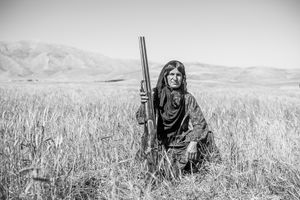
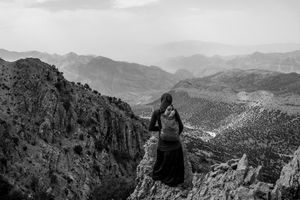
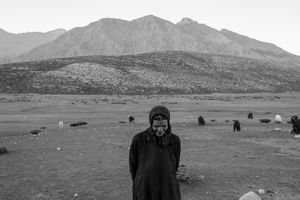
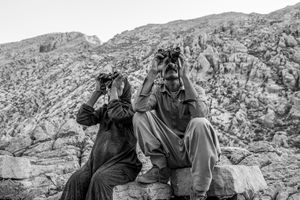
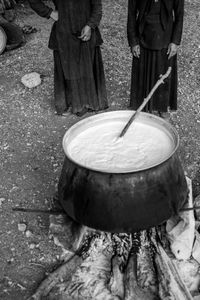
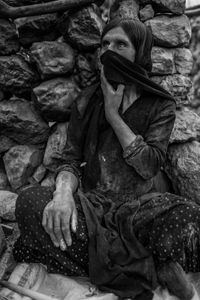
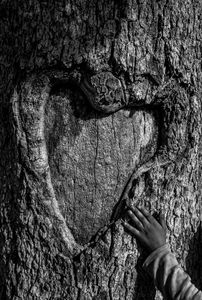
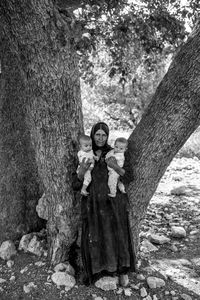
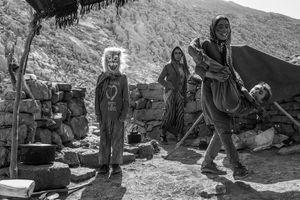
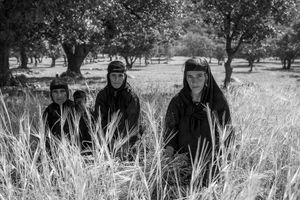
No one knows exactly where the Bakhtiari people came from before settling in the Zagros Mountains. But over the past several thousand years, their roots have grown deep into this land — in what is now western and southwestern Iran — alongside the native oak trees that serve as a vital source of their sustenance. In the face of modern forces, they’re standing their ground. Urbanization began to take hold in this region a century ago, and over the years, the majority of the Bakhtiari have assimilated. Many vaulted into the Iranian elite, becoming academics, actors, ambassadors, and athletes. And yet, some tribes of Bakhtiari continue to raise animals, grow barley, and migrate between pastures with the seasons, just as they have for generations, explains Alam Saleh, of the Australian National University’s Centre for Arab and Islamic Studies. “Their habits, way of dressing and lifestyle are still maintained,” he says. “If they don’t live this way, they don’t exist any more. For those who continue — the numbers are diminishing — they persist to maintain identity.” Women play an outsized role in this community, carrying out customs and keeping families together. “Because of their rough way of living, the structures force women to get involved in every aspect of life. Women participate in fighting and physical work, and at the same time act as mothers and wives,” Saleh says.
No categories selected
Photos (10)