
How Little Weight the World Has
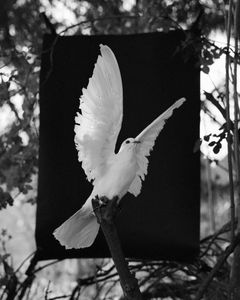
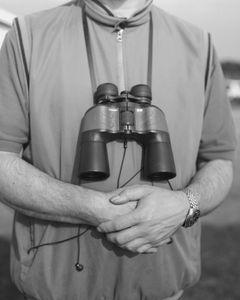
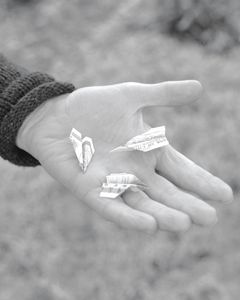
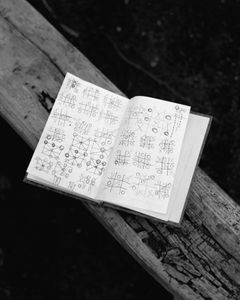
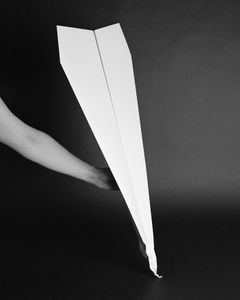
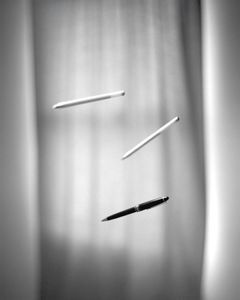
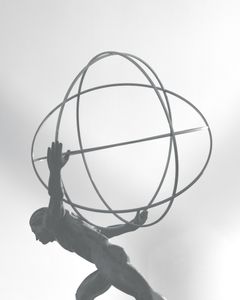
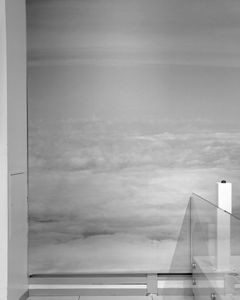
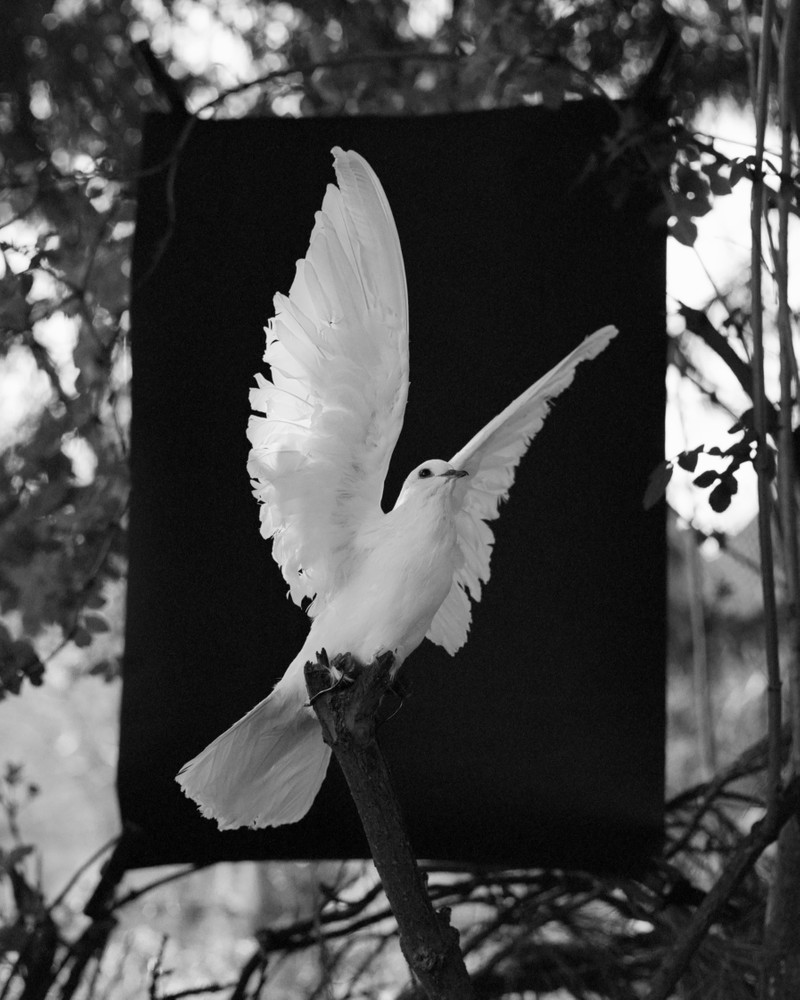
To fly is the ultimate symbol of freedom and escapism. To feel free from constraint, to soar over obstacles and control our own fate. But to actually fly has always been out of reach, rather an experience which lives in our dreams and in fantasy. Since Da Vinci’s Codex on the Flight of Birds in 1505, innovators have been trying to realise this fantasy. Forever chasing archetypal freedom; the bird who can fly as they wish and move as they will. Soon enough, advancements in technology offer a makeshift solution. The light bulb provided night vision, the telephone provided long distance communication, and the aeroplane provided flight. When we feel these fantasies are realised, our repeated exposure renders them un-fantastic. Humanity detaches from previous achievements and progresses to pursue the next mission in an almost mono-manic fashion. Those who are left behind, like casualties of war or from space exploration, are remembered for their service to the humanity they were part of. As if their death was inevitable in the name of human progression. My paternal grandfather was a Spitfire Engineer during the Second World War. Just over a decade later, my maternal grandparents started to use the booming commercial flight industry to travel extensively throughout their retirement. Despite these contrasting experiences involving aviation, each of them spoke about these times as if they were the best of their lives. 'How Little Weight the World Has' is both an investigation into human progression and an attempt to connect contrasting strands of my ancestry.
No categories selected
Photos (10)