
CAGED
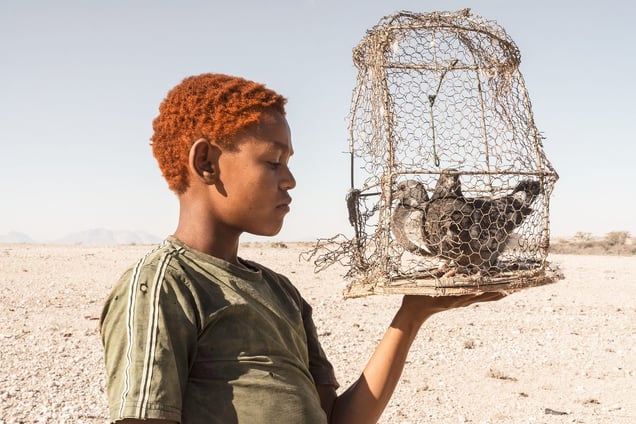
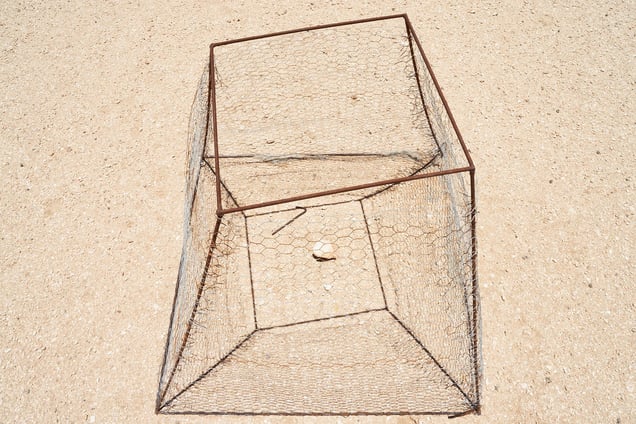
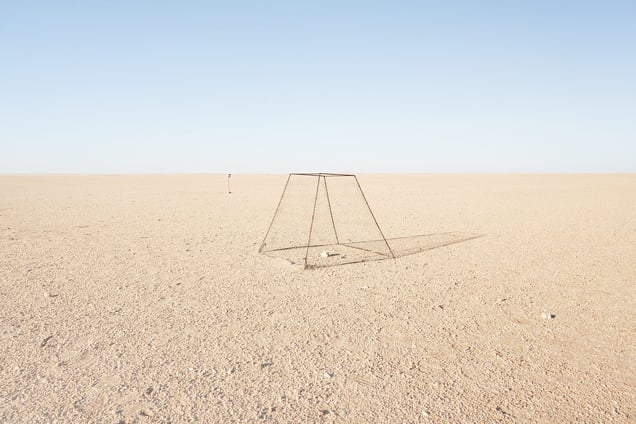
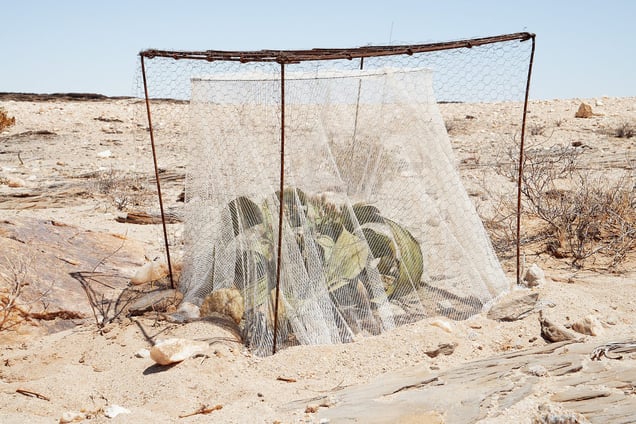
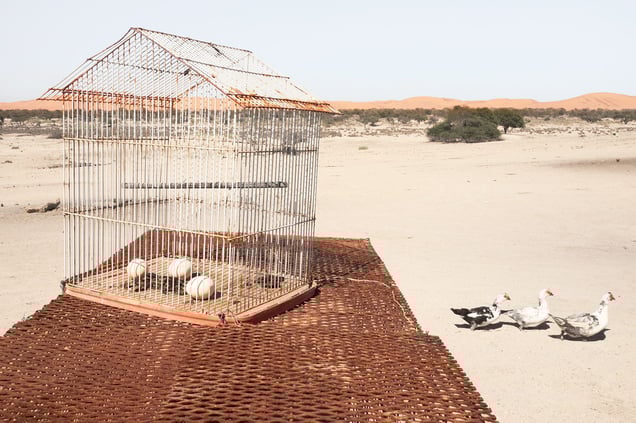
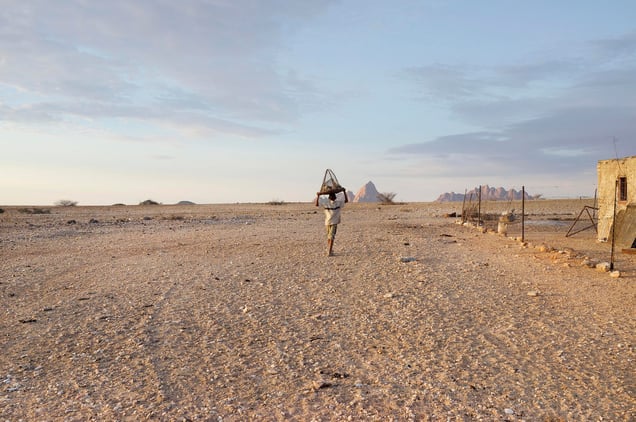
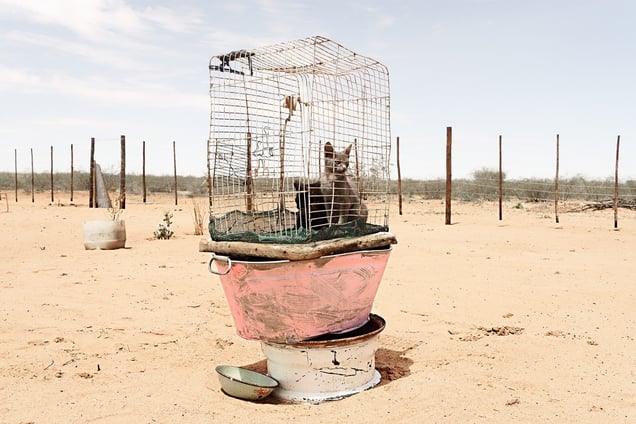
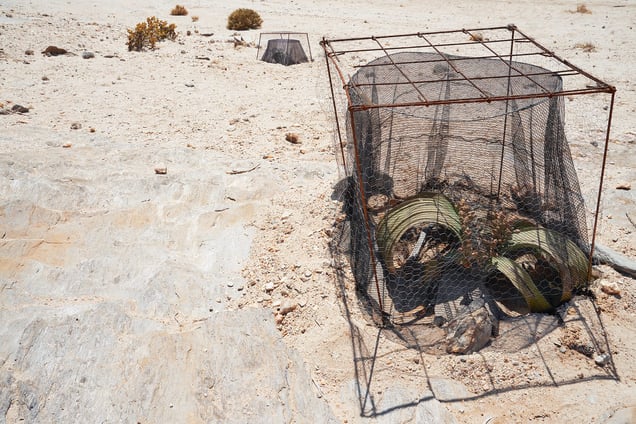
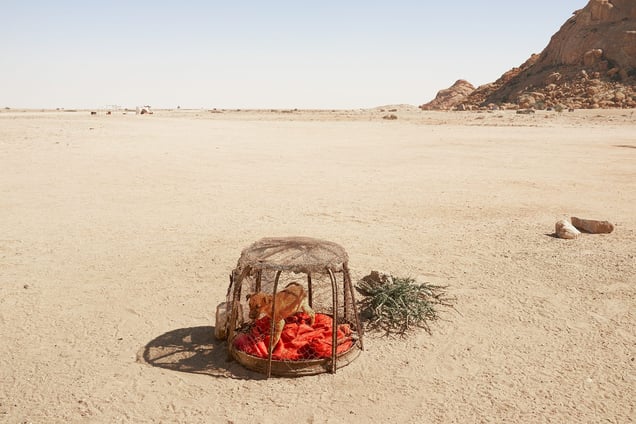
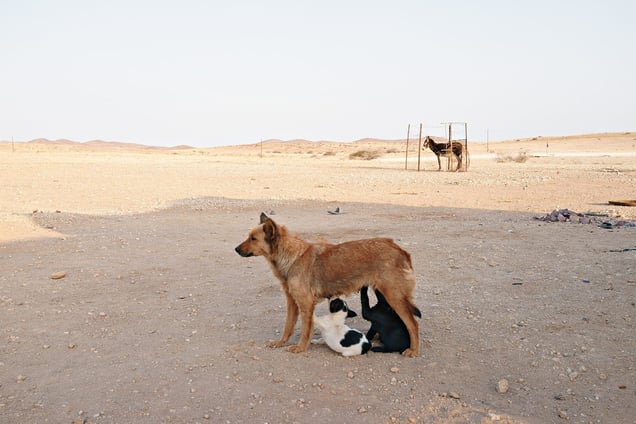
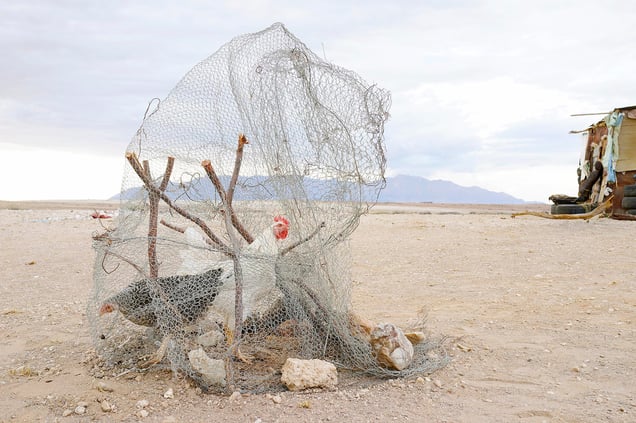
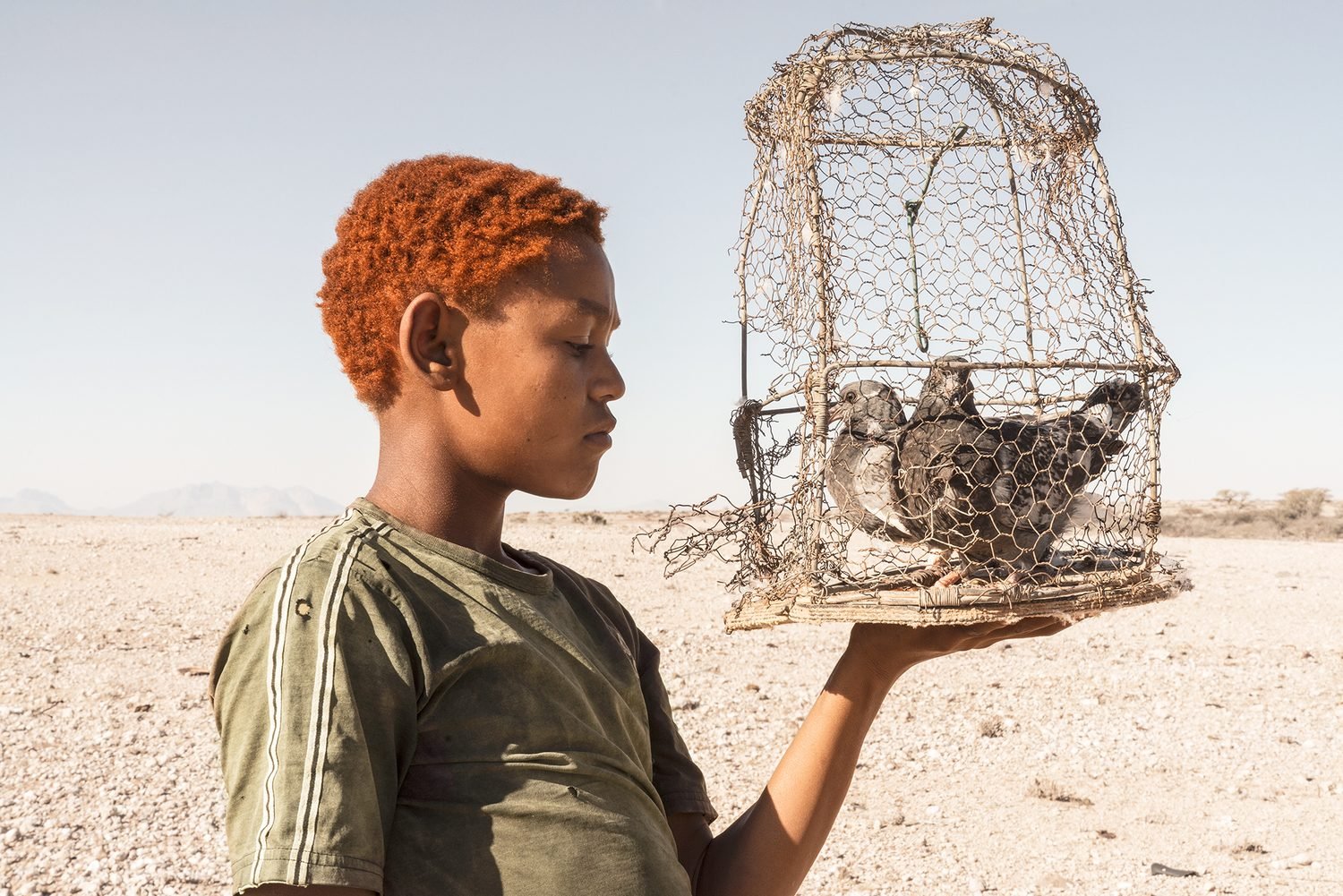
This is an ongoing project on the use of constraining, protecting and demarcating cages across Namibia. A 7-year drought has stripped the Namib Desert to the bone. The wide terrain - a land where nomadic Bushmen and animals used to move freely – is a land now fenced, a land constrained. Poultry are protected from predators, but other less likely candidates are also restrained: a puppy, two cats in a cage atop a pink tin bath, a dog and a donkey locked into parallel planes - both incarcerated in their roles as beasts of burden - the one for humans, the other for its litter. Welwitschia mirabilis, endemic to the Namib desert and known as living fossils, are penned too, as part of the Gobabeb Training and Research projects to study pollination, but also to protect them from roving horses hungry for nourishment in an environment devoid of much else. A caged stone draws attention to the absent grass its enclosure was meant to protect from such herbivores. A rain gauge, its vertical geometry stark against the relentless horizontal plateau, inactive for years. The Spitzkoppe granite mountains rise up from the plains of the desert – a sacred space.
No categories selected
Photos (11)