Haiti: 5 years, 54 seconds later

Photos (15)

Cover
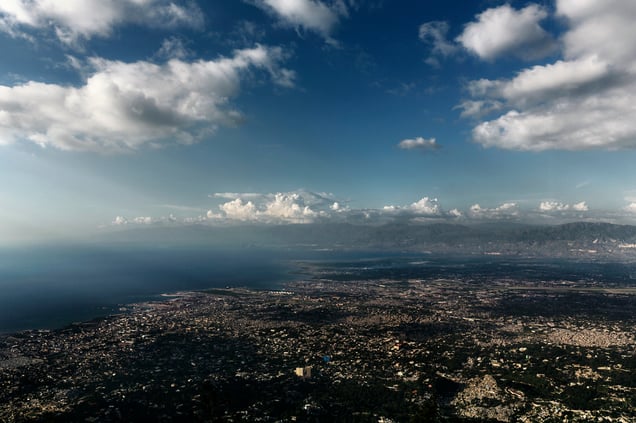
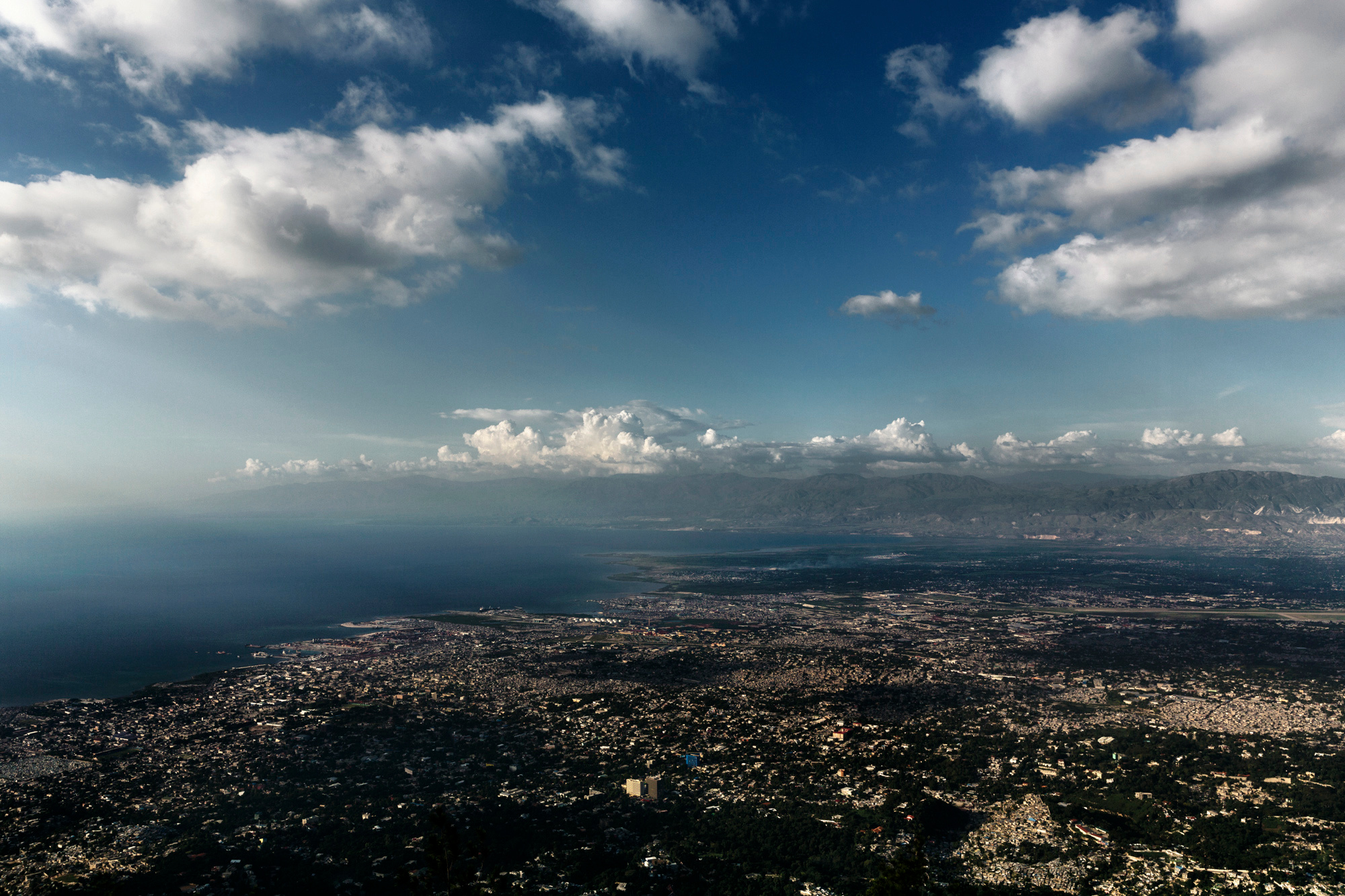
A view from above of Port-au- Prince. November 20, 2014
File: 001©Marco Gualazzini.jpg
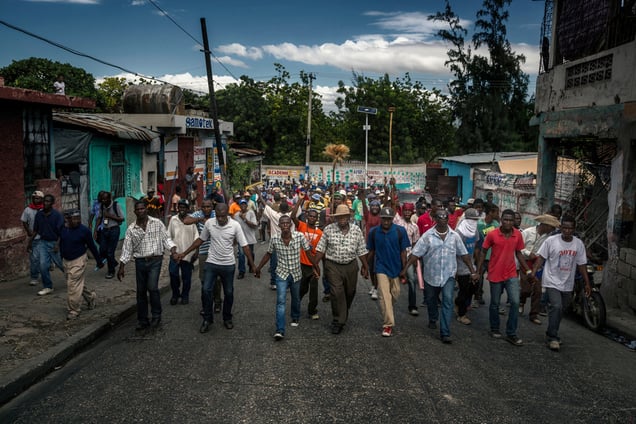
Thousands of people in the streets during a demonstration against the government. Life in the country remains critical, and the people are crying out for stability and recovery.
File: 002©Marco Gualazzini.jpg
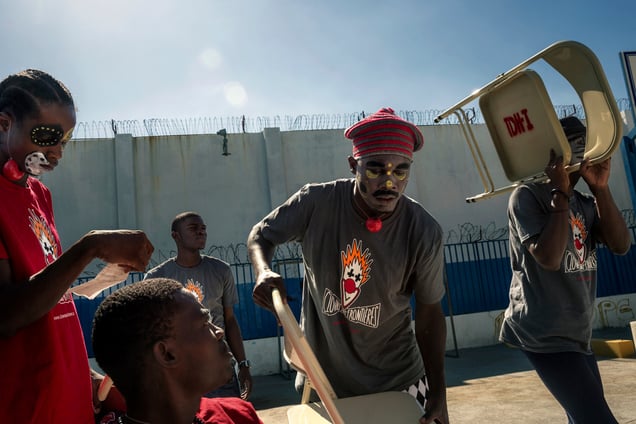
The C.E.R.M.I.C.O.L. (a rehabilitation center for young people in trouble with the law) was razed during the earthquake, killing most of the young people in care there. Today it has been rebuilt, hosting 110 young people. During World Childhood Day, on November 20, 2014, Terre Des Homes Italia and Clowns Sans Frontieres organised workshops and performances for the detainees.
File: 003©Marco Gualazzini.jpg
File: 004©Marco Gualazzini.jpg
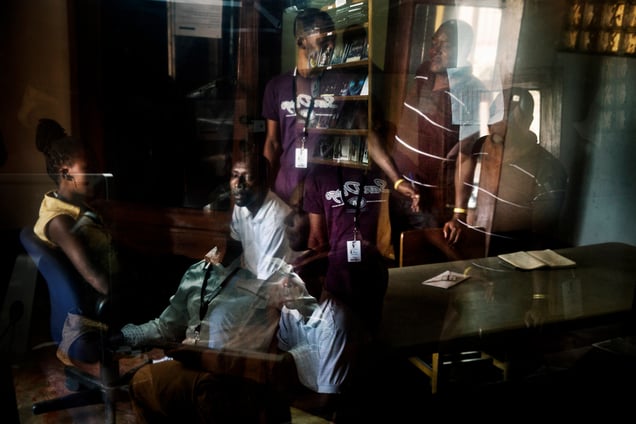
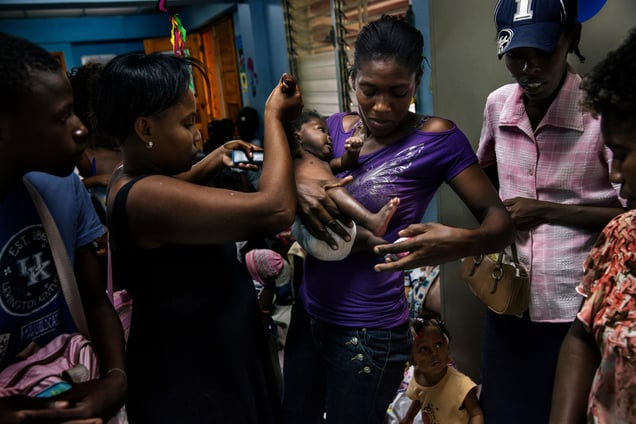
T-Jean is 3 months old, and although his mother has AIDS, he was not infected during birth. For a year, however, he will need to be monitored. Every Thursday he is brought for routine tests to Jeskho hospital, which specialises in infectious diseases and paediatrics and which administers antiretroviral drugs, (though not the latest-generation variety), free of charge.
File: 005©Marco Gualazzini.jpg
Waf Jérémie, the neighbourhood considered the open-air trash heap of Port Au Prince. Sister Marcella Catozza, a Franciscan missionary, has set up a medical clinic that provides free care for the inhabitants of the slum. Over 70 people a day are seen, and among the main services provided are treatment for malnutrition and the prevention and diagnosis of AIDS.
File: 006©Marco Gualazzini.jpg
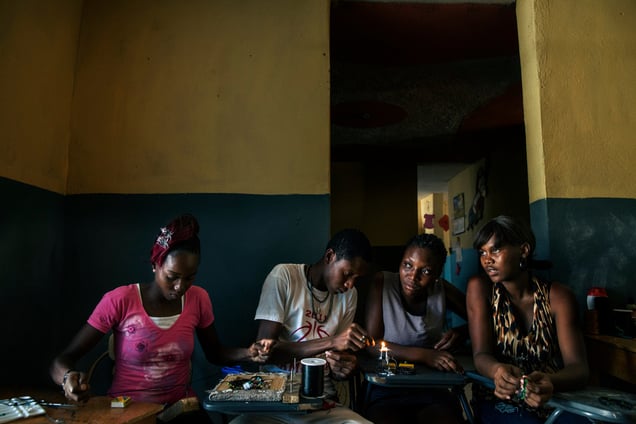
Former prisoners of The C.E.R.M.I.C.O.L. (a rehabilitation centre for young people in trouble with the law), have embarked on a path of social rehabilitation, working in a private atelier supported by Terre des Hommes Italia.
File: 007©Marco Gualazzini.jpg
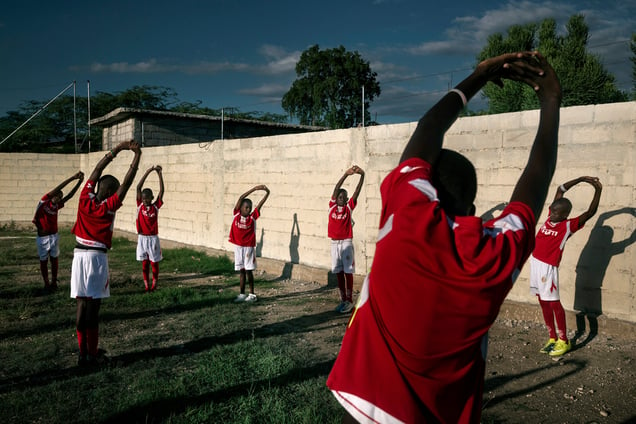
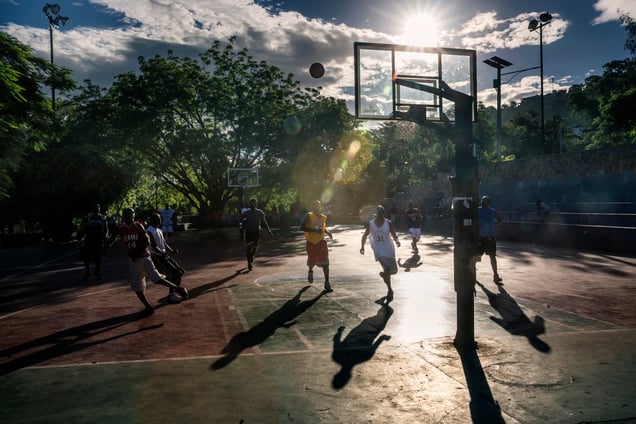
Five years on from the earthquake, sports are one of the areas in which Haiti is beginning to recover. In every neighbourhood there are impromptu football and basketball matches to be seen. A football match at "L’academia de futebol pero las negras."
File: 008©Marco Gualazzini.jpg
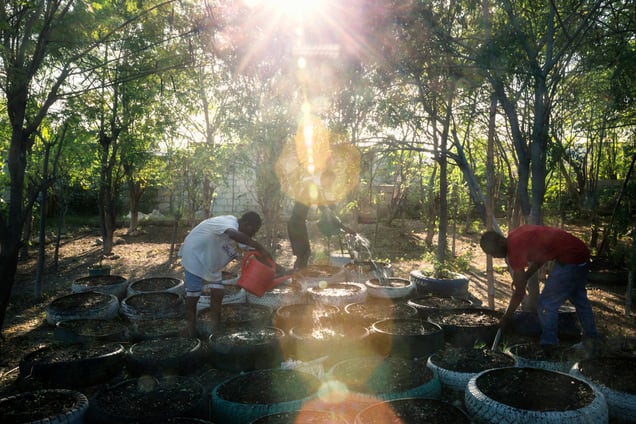
Among the ruins of Cité Soleil, which has always been considered one of the most dangerous slums in the Western hemisphere, a glimmer of hope shines through. At Jardin TapTap, a community vegetable garden, over 100 locals work together as volunteers, and anyone in need has free access to the crops grown.
File: 009©Marco Gualazzini.jpg
One sign of the return to normal everyday life is the sight of young people meeting up in public places. At dawn and at dusk, the squares play host to never-ending basketball matches. A basketball match on Sunday morning in the main square of the Pétion-Ville neighbourhood.
File: 010©Marco Gualazzini.jpg
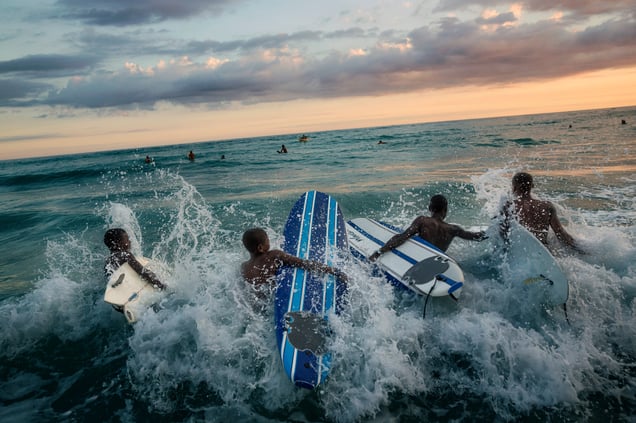
Surf-Haiti: this is the name of the project created in 2010 on the beaches of Jamel, the province worst hit by the earthquake after Port Au Prince. The aim of the project is two-fold: to teach young people from Haiti to surf and to give a boost to tourism in the region.
File: 011©Marco Gualazzini.jpg
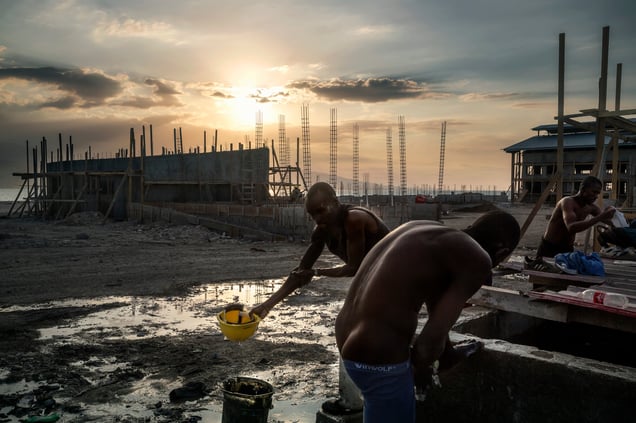
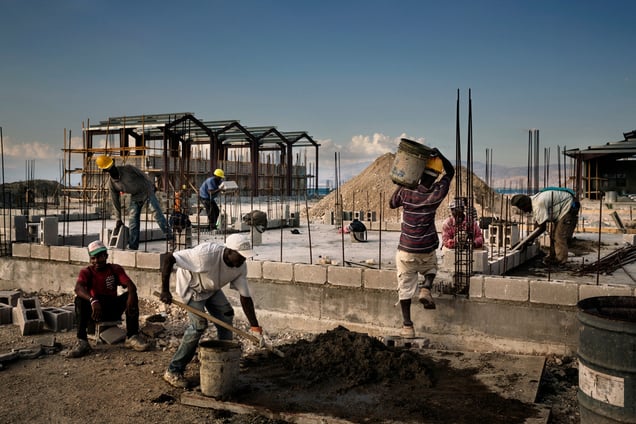
In Waf Jérémie, the President of Haiti, Michel Martelly, has given the green light for redevelopment. Over a year ago, building work began on a pier, a multi-purpose centre, a school, an auditorium, supermarkets and restaurants. Work is expected to be completed by the end of 2015.
File: 012©Marco Gualazzini.jpg
Building work is under way in Waf Jérémie. Hopes are high for a new beginning in the neighborhood which was once considered the open-air trash heap of the capital.
File: 019©Marco Gualazzini.jpg
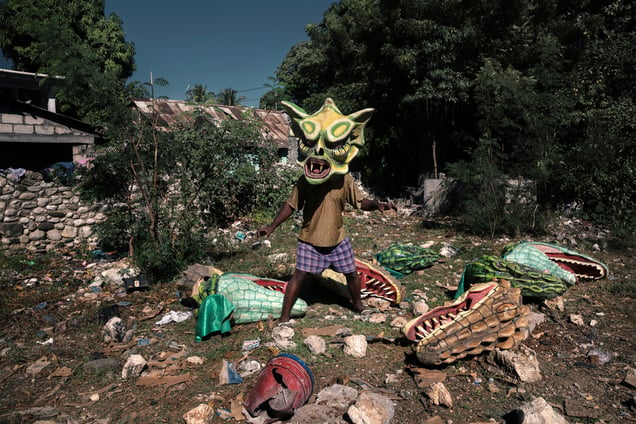
Jacmel, the province worst hit by the earthquake after Port Au Prince, is a cultural and tourist centre with renowned carnival workshops. Today, things seem to have more or less returned to normal.
File: 016©Marco Gualazzini.jpg
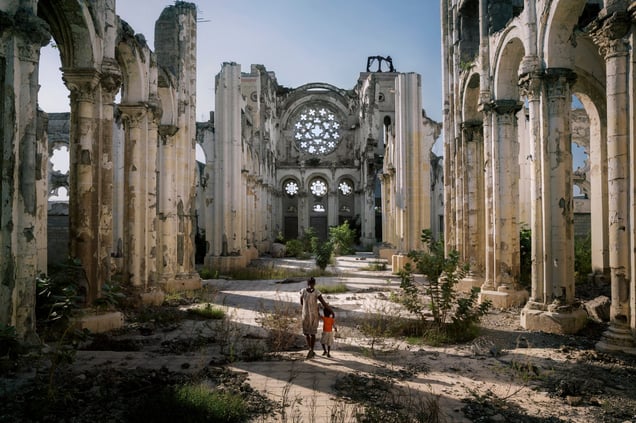
In the centre of Port Au Prince, the remains of the cathedral destroyed by the earthquake stand out against the skyline. No restoration work is contemplated; these ruins are to remain as a silent witness to the tragedy.
File: 020©Marco Gualazzini.jpg