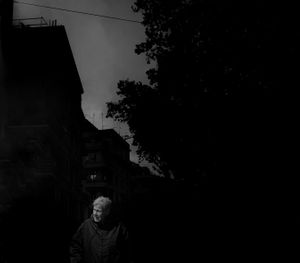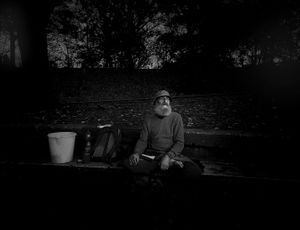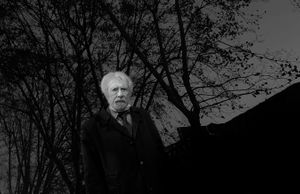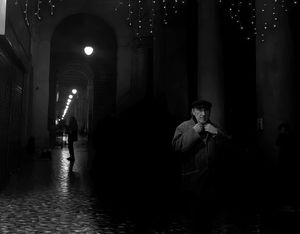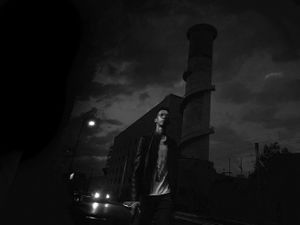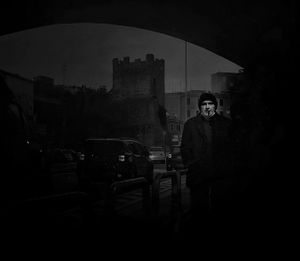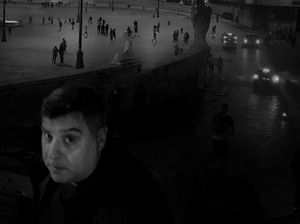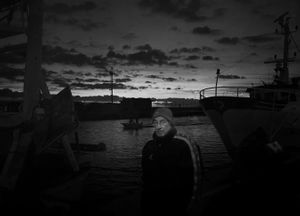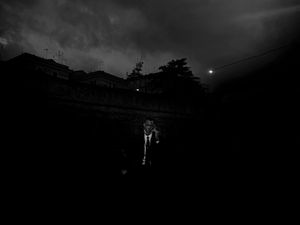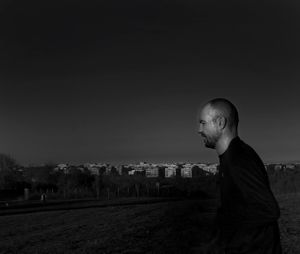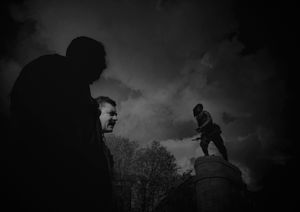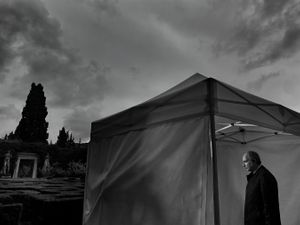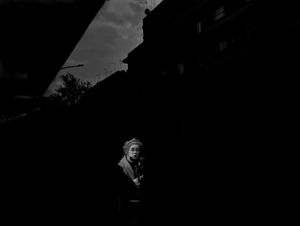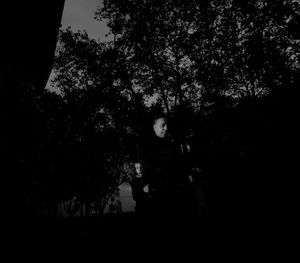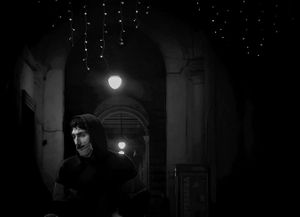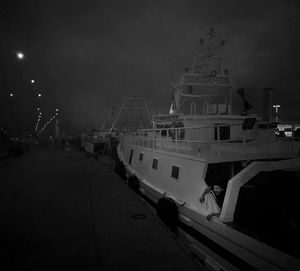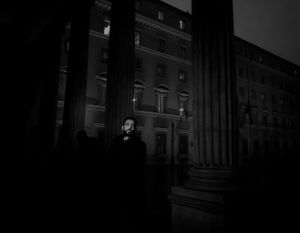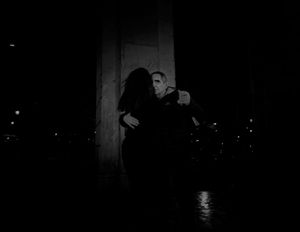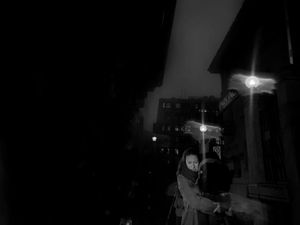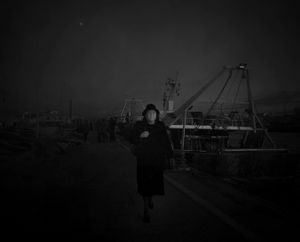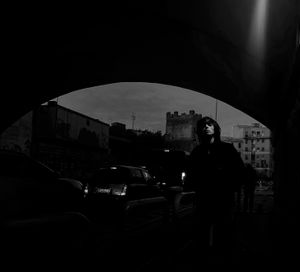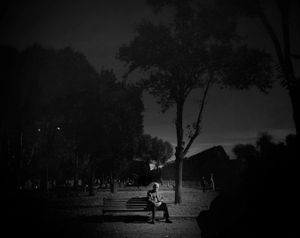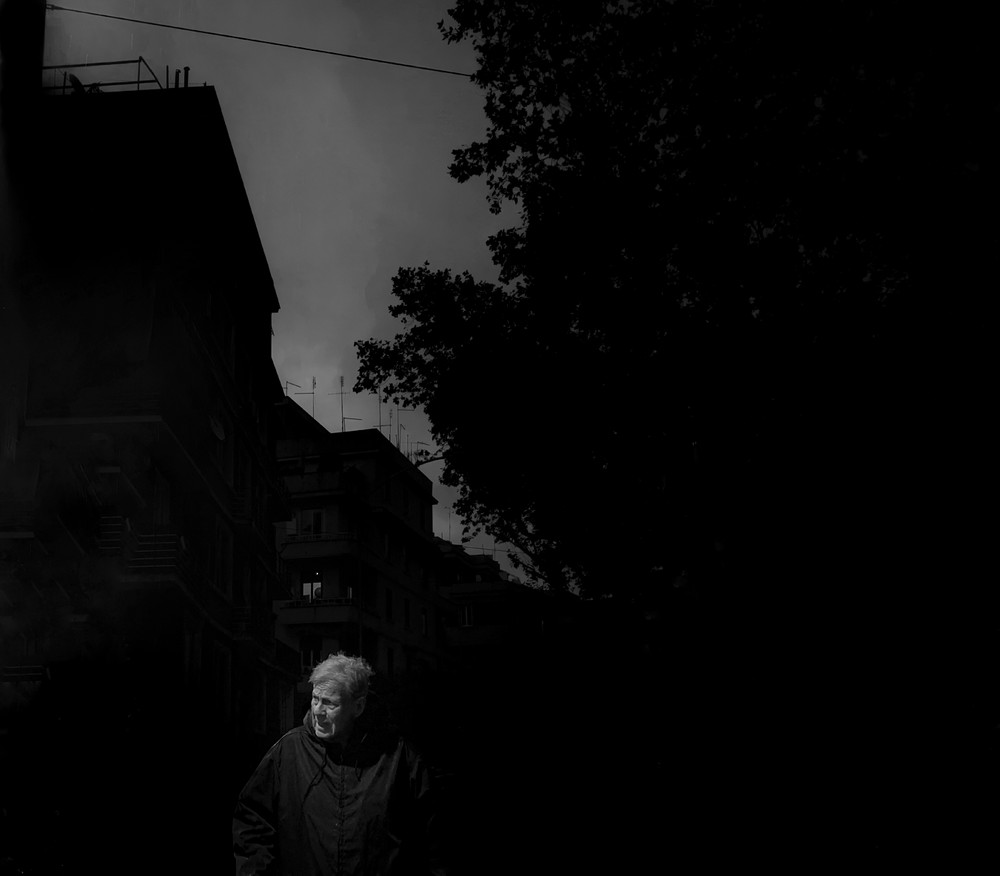
Selva Oscura (Dark Forest).
“Midway upon the journey of our life, I found myself within a dark forest For the straightforward path had been lost…” Dante Alighieri's Divine Comedy has been calculated to be made of over 100,000 words, but I think its genius is evident already in the very first 21. The above verse, which starts it. I started working on this project - portraits of human disquiet - exactly at a moment when I had lost the straight forward path and was painfully wandering in a dark forest. Technically, I started walking around the city, at dusk, when the sky is still luminous but darkness is making the landscape fade, and looked for a natural ''spot-light'' (a lamp post, a shop window, some car lights) that I could use to shoot a totally candid portrait that could look like a studio portrait against the city falling into the night. Once I found the place, I started waiting for what I was really after to pass by: the human face. The idea was is to highlight this miracle - the human face - imagining they also were lost in a dark forest, far from the straight-forward path. I gave the unexpected project a working title: Antartica. Because I was trying to portray humans as I would in Antartica, faced with the power of nature, with the indifferent force of the wind, the ice, of the great white. Only, they were in a comfortable city. But faced with the turmoil and storms of human life that - not knowing the people, but being myself human - I could imagine in their faces. I know nothing about the lives of the people pictured. In fact, each photo in Selva Oscura, is a 'Portrait of Unknown'. But this leaves me to imagine - a bit like in Luigi Pirandello's 'One, No One, One Hundred Thousands', the infinite possible storms and turmoil that necessarily hit human lives that are truly lived. In the end, Selva Oscura is an attempt to capture the immense fragility and the immense strength of humans in this very uncertain age.
No categories selected
Photos (22)