Back to Nature
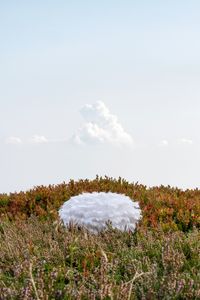
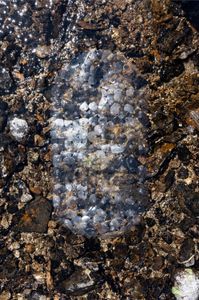
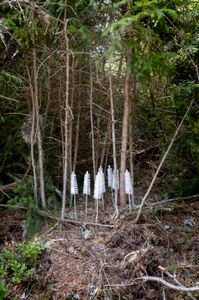
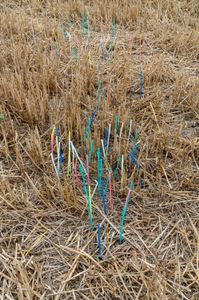
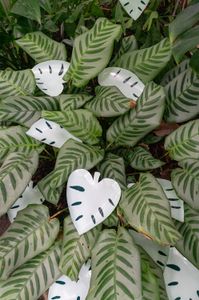
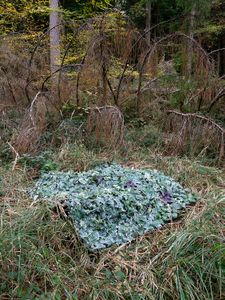
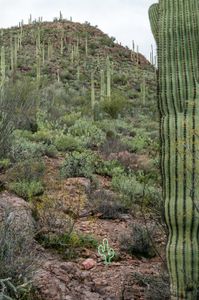
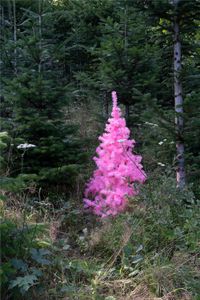
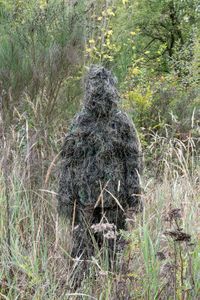
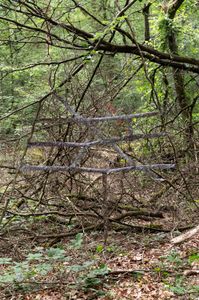
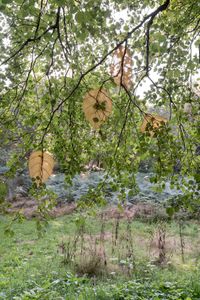
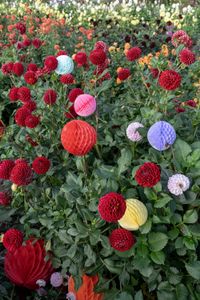
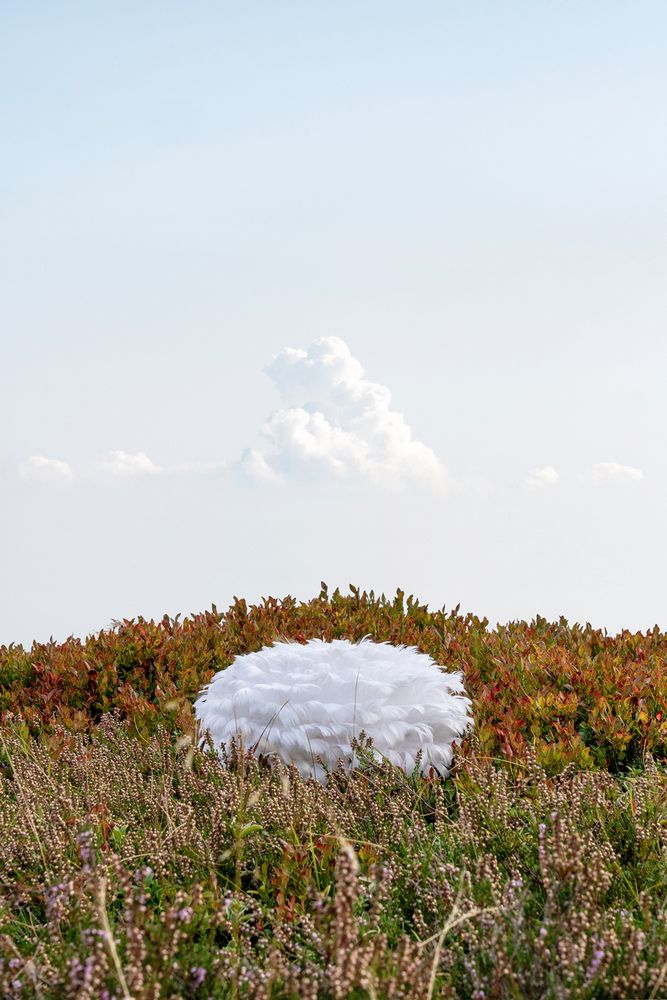
When during my summer holidays I was bored I examined the holiday home we had rented, and a bath mat caught my eye. It was a mat that you place in the bathtub so that one can safely get in and out. It was made of many small transparent plastic pieces that were supposed to look like pebble stone. "Oh, I see," I thought, "with this mat in the bathtub you are meant to feel as if you were lying in a small river where you can see and feel the pebbles at the base. Beautiful and clean pebbles in clear water". Satisfying the desire for nature in such a way felt a little ridiculous with nature being destroyed all over the world at the same time. I wondered whether within an artistic approach it may not make sense to take the artificially created nature and then bring it to the living "real" nature in reverse. As a symbol for "that which remains" when everything else is extinguished. Or also to make more of the little remaining nature. The objects of daily use that are modelled on nature could function as simulacra just as is the case with androids, which, by definition, are similar only to humans. Mankind, that conceives itself as the supreme living creature, considers itself superior to any animal or plant. But don't plants have an inborn value too? Regardless of whether they are useful to someone or someone attributes a meaning to them? This is how the concept of my work "Back to Nature; carrying things into nature" was born. I carried normal everyday objects, replicas of plants, stones and animals, to places where one would expect their real equivalents. I photographed them as temporary sculptures in their "natural environment". In my images they almost appear like "androids", that have developed a self-confidence of their own. They want to return to the places of their origin. Not knowing they are simulacras themselves, they raise the very same questions that preoccupy all of us: Where do I come from? Where should I go? How much time do I still have? Ute Behrend
No categories selected
Photos (12)