Unbroken Lineage: Keeper of Knowledge

Photos (18)

Cover
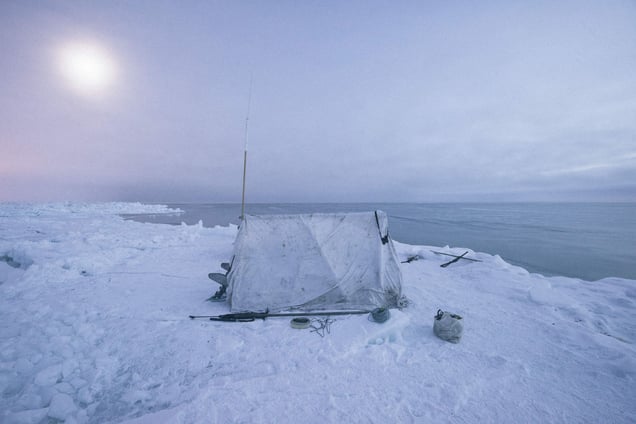
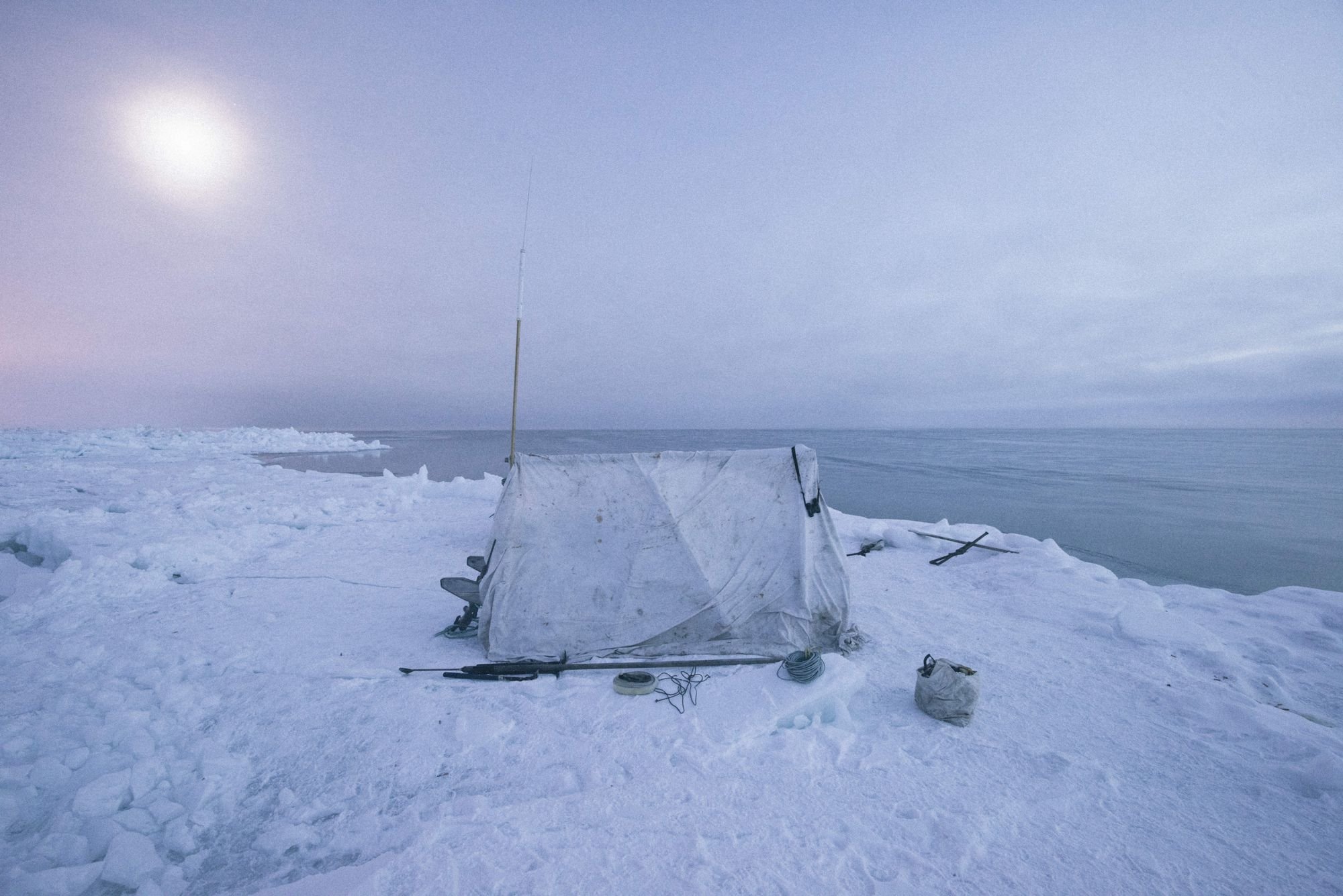
High above the Arctic Circle on sea ice a mile from shore, an Iñupiaq whaling crew watches from a blind for a passing bowhead whale by the light of the moon. The Iñupiat have hunted whales here for at least 2,000 years, but the forces of climate change and globalization are rapidly altering the culture of this remote region.
File: LC-YUYAN-WHALE-1.jpg
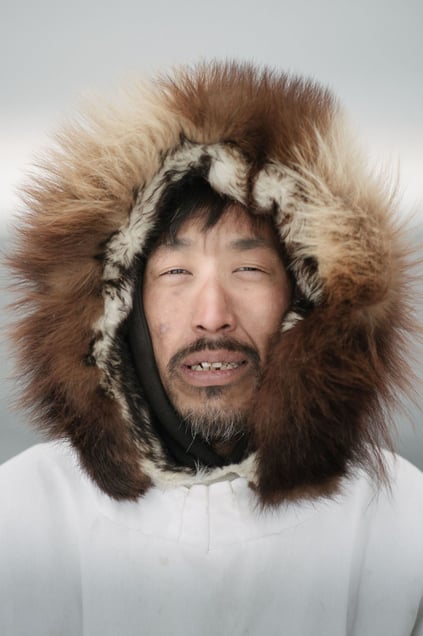
Sigvaun Kaleak and his father Raleigh wear traditional ice camouflage parkas. They are lifelong whalers. Although European whaling decimated the global whale population by the 1900, the Iñupiat maintained a sustainable harvest of bowheads.
File: LC-YUYAN-WHALE-2.jpg
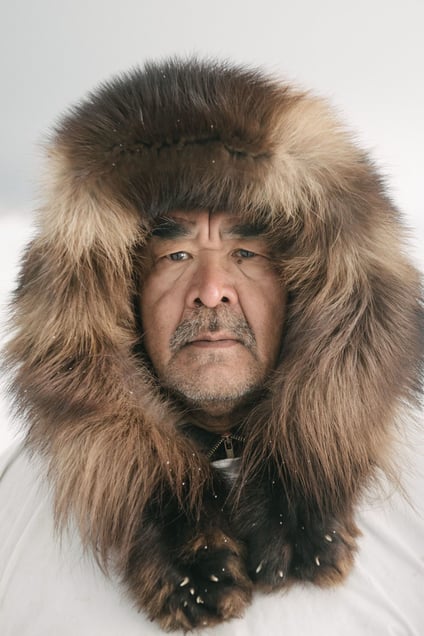
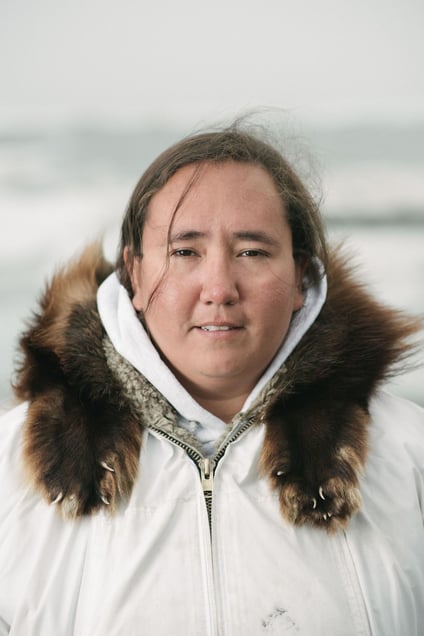
Iñupiat elder Foster Simmonds has been a whaler since he was a child. Since then, whaling has seen subtle changes.  Bernadette Adams was the first Iñupiaq woman to harpoon a whale. “I happen to have no brothers, so I had to find some way to help the family out,” says Bernadette.
File: LC-YUYAN-WHALE-3.jpg
Iñupiat elder Foster Simmonds has been a whaler since he was a child. He says, “Hide something for me. Look at the food, the whales. Look at the sea, the whalers. A blessing for them. Take that and hide it in your heart.” Bernadette Adams was the first Iñupiaq woman to harpoon a whale. “I happen to have no brothers, so I had to find some way to help the family out,” says Bernadette.
File: LC-YUYAN-WHALE-4.jpg
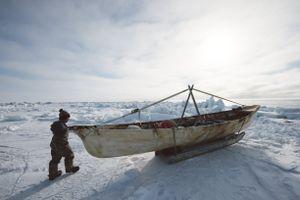
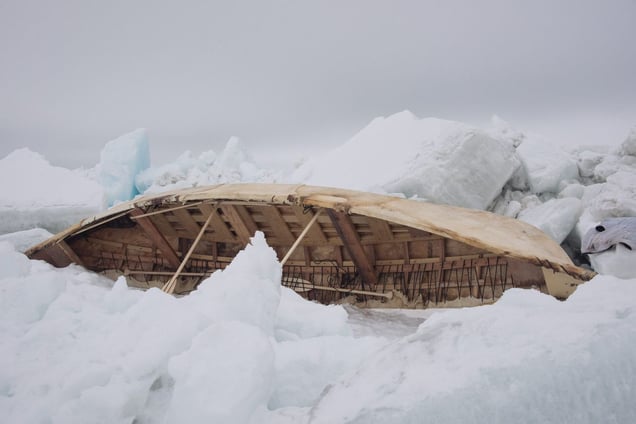
Seven-year old Steven Reich examines his father’s umiaq, or skinboat used for whaling. His father Tad, captain of Yugu crew, expresses nervous excitement to bring Steven out whaling on the ice for the first time: “I am proud of my son; he’s here to learn to be a hunter.”
File: LC-YUYAN-WHALE-5.jpg
Umialiaq Tad Reich quietly jumps into action as a bowhead whale is sighted to the west. Umiaq whaling happens just meters from the edge of the ice, a distance close enough to intercept a passing whale by paddle power. Kanisan Ningeok humbly explains, “We sit on the ice and hope the whale gives itself.”
File: LC-YUYAN-WHALE-7.jpg
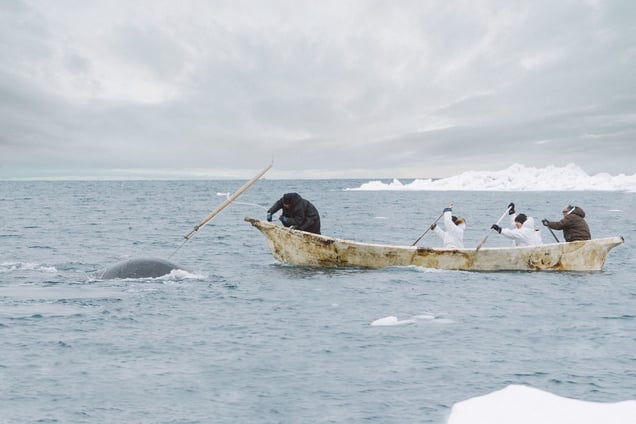
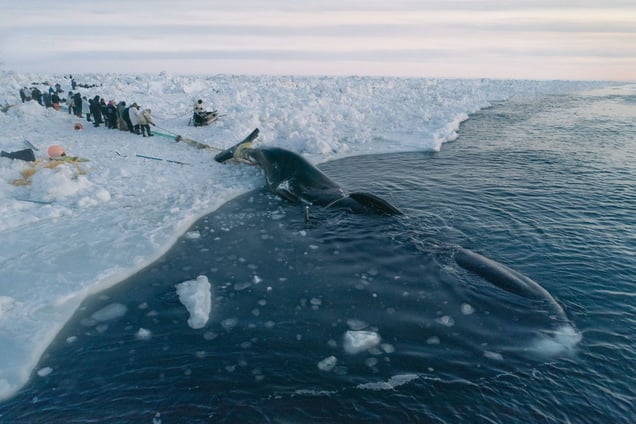
Kunniaq Neakok harpoons an agvik, or bowhead whale, 30 yards from the edge of the ice. Despite the use of explosive charges brought to the Arctic by foreign whalers in the 1800s, traditional methods remain as challenging as ever. Roy Nageak remembers, "The Yankee whalers used to say they almost killed off all the whales. Now there are so many."
File: LC-YUYAN-WHALE-8.jpg
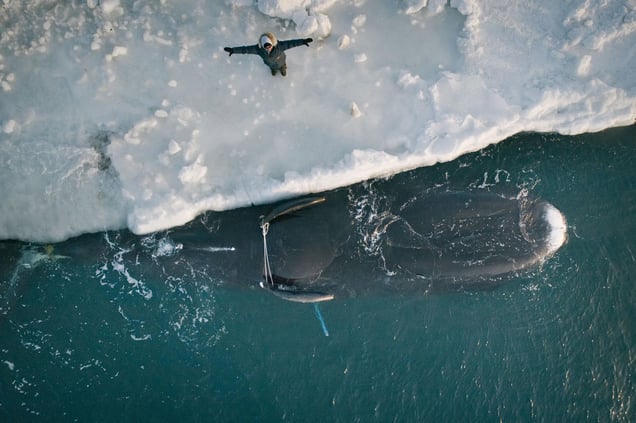
Flora Aiken gives a silent blessing to the first bowhead whale of the spring season. The Iñupiaq have a rich spiritual life which centers around the gift of the whale to the community. Foster Simmonds offers a prayer, saying, "Hide something for me. Look at the food, the whales. Look at the sea, the whalers. A blessing for them. Take that and hide it in your heart.”
File: LC-YUYAN-WHALE-9.jpg
File: LC-YUYAN-WHALE-10.jpg
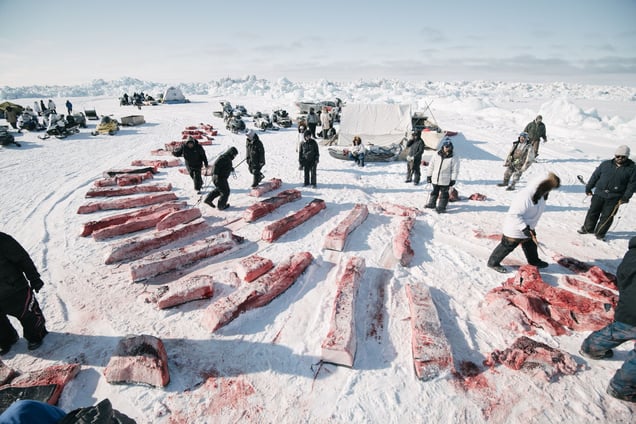
Division of whale meat and blubber is governed by tradition and followed strictly by whaling crews. Here, the niñit, or community shares, are equally apportioned. The successful crew's share will be given away at Nalukataq, the summer whaling festival.
File: LC-YUYAN-WHALE-11.jpg
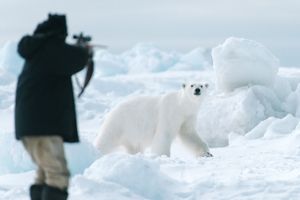
Polar bears present an ever-present danger to the whalers when out on the ice. Attracted to the scent of fresh blubber, they prowl the edges of camp, but are usually scared off by rifle shots and noisemakers. During whale butchering many people stand guard against the bears circling nearby and keep children close to camp. This bear at Akootchook’s whale was one of thirteen seen in a single day.
File: LC-YUYAN-WHALE-12.jpg
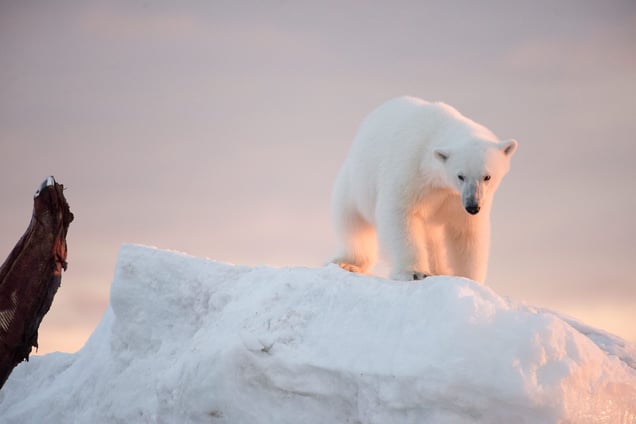
A young polar bear stares wistfully at the recently butchered carcass of a bowhead. While spring and fall whale hunts provide a source of food for the bears, the fall hunt is especially critical for bears on the verge of starvation caused by reduced pack ice in the summer months. Many Iñupiat prefer to let the bears feed provided they maintain a safe distance from people.
File: LC-YUYAN-WHALE-13.jpg
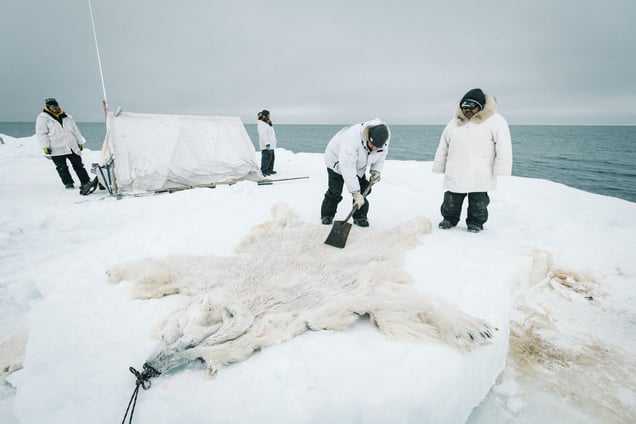
Members of Yugu crew clean the hide of an eight foot nanuq, or polar bear, shot while defending camp. Starving and desperate, it stalked into the whaling camp, 15 yards away from members of the crew and photographer Kiliii Yuyan. Some Iñupiat believe declining sea ice is responsible for starving bears and their increased desperation in recent years.
File: LC-YUYAN-WHALE-14.jpg
File: LC-YUYAN-WHALE-15.jpg
File: LC-YUYAN-WHALE-17.jpg
File: LC-YUYAN-WHALE-18.jpg
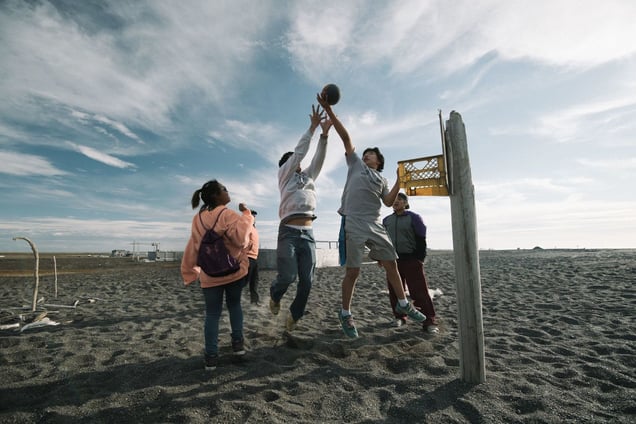
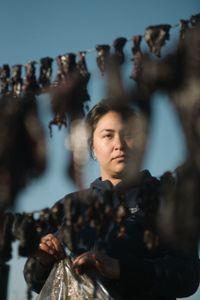
Teenagers from all over the North Slope villages attend summer camp at Shooting Station, a subsistence hunting camp in Barrow. While they practice their basketball skills, they are also taught the traditional skills many of the older generation fear are being lost.
File: LC-YUYAN-WHALE-19.jpg
File: LC-YUYAN-WHALE-20.jpg