
PPE-19
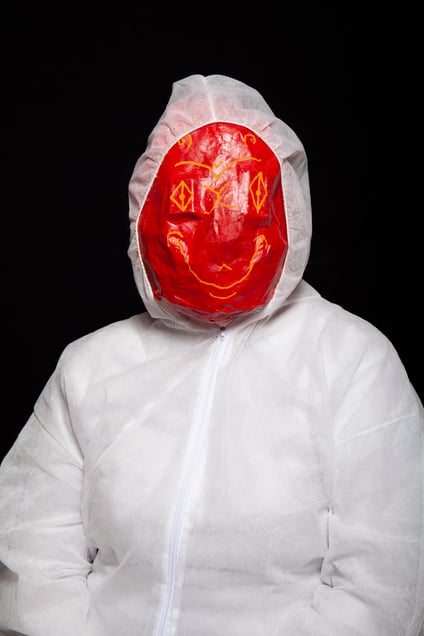
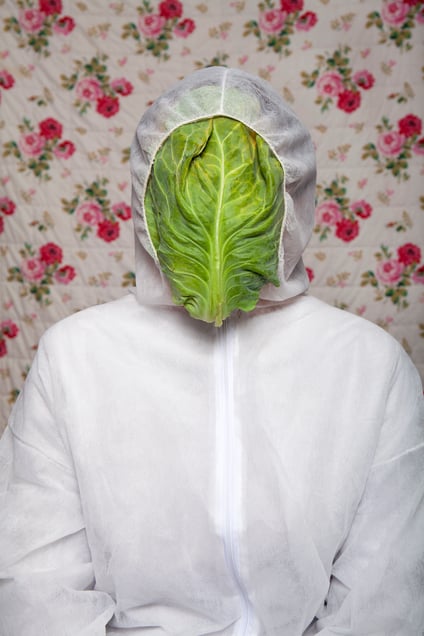
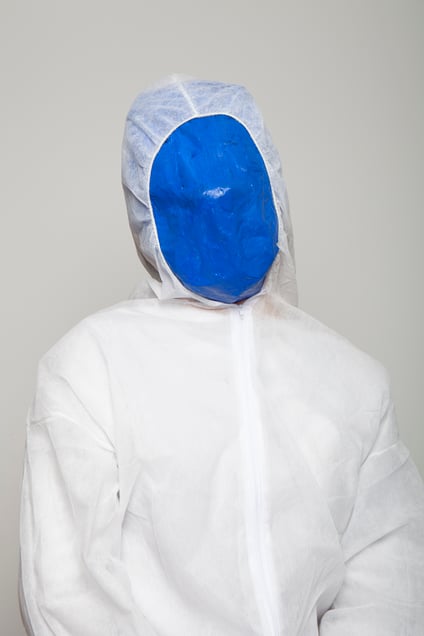
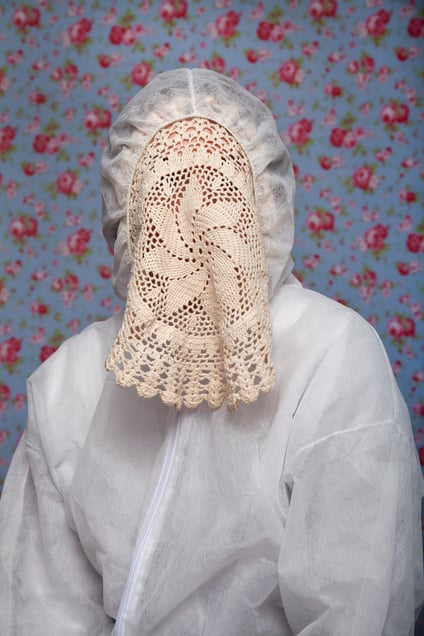
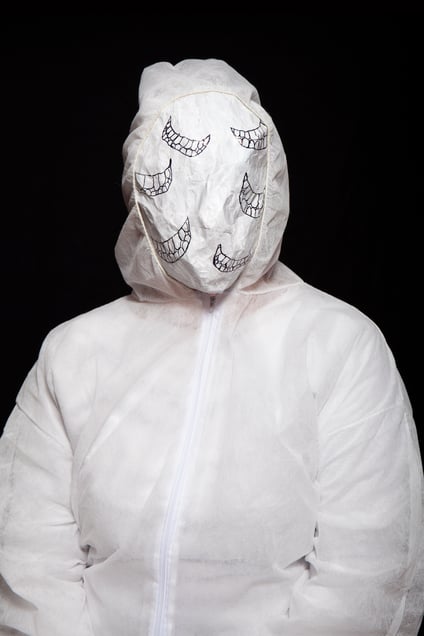
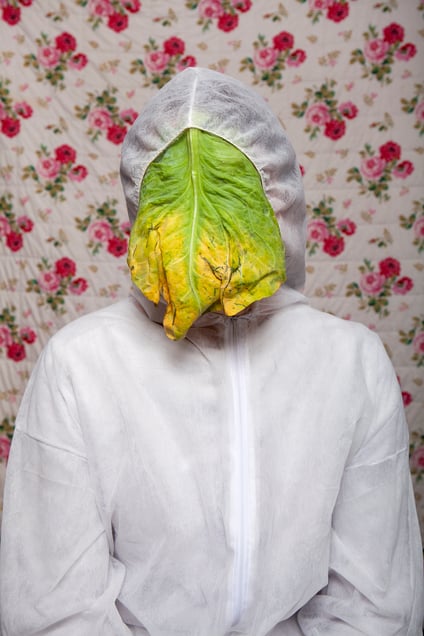
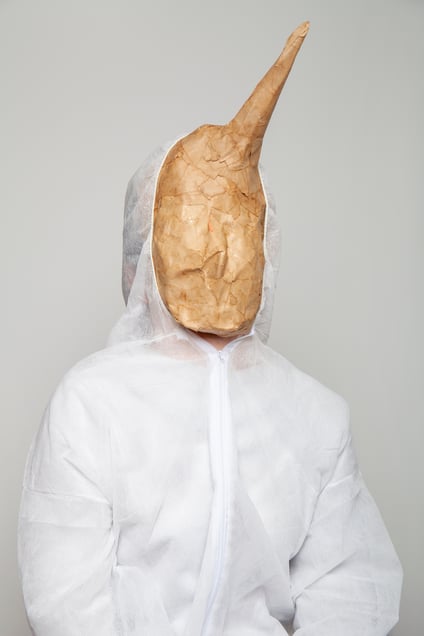
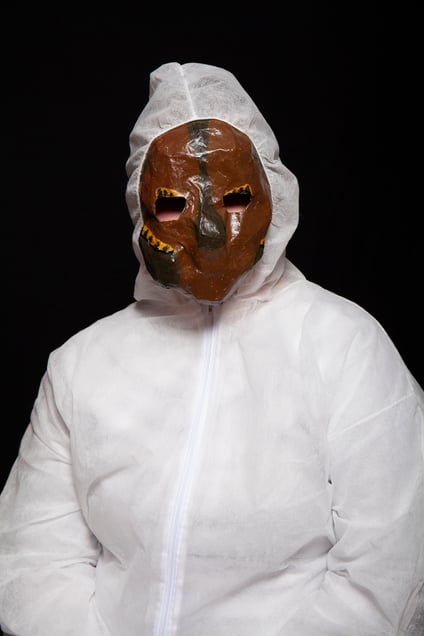
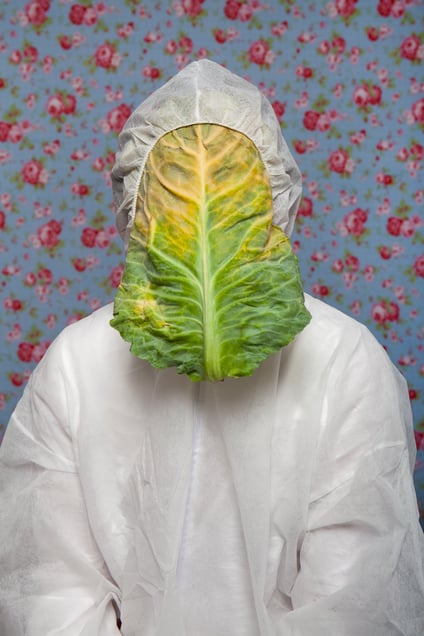
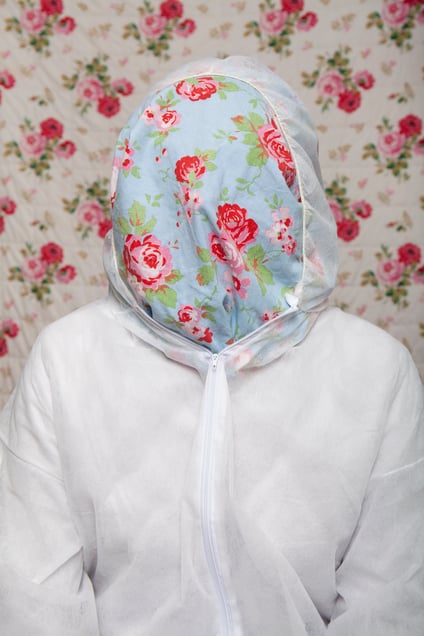
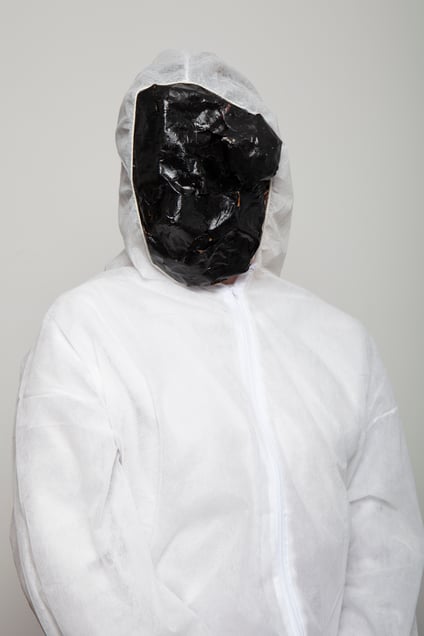
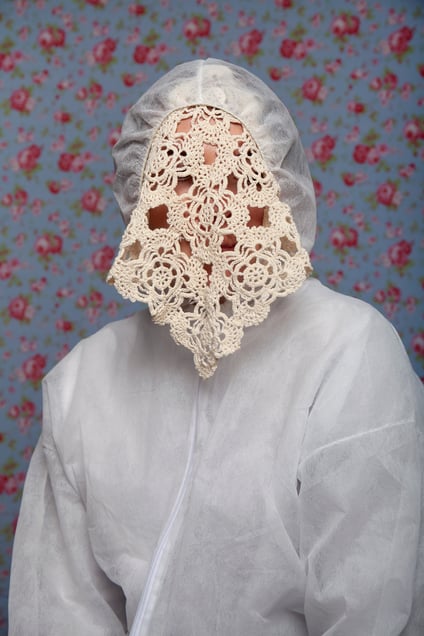
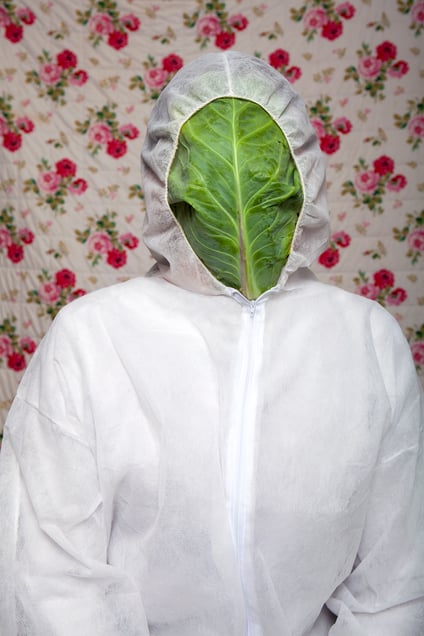
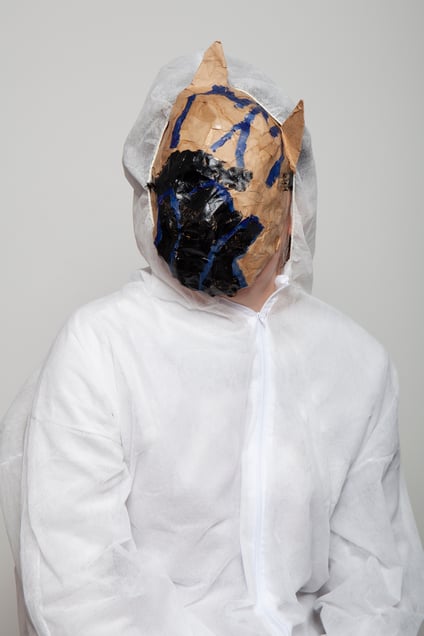
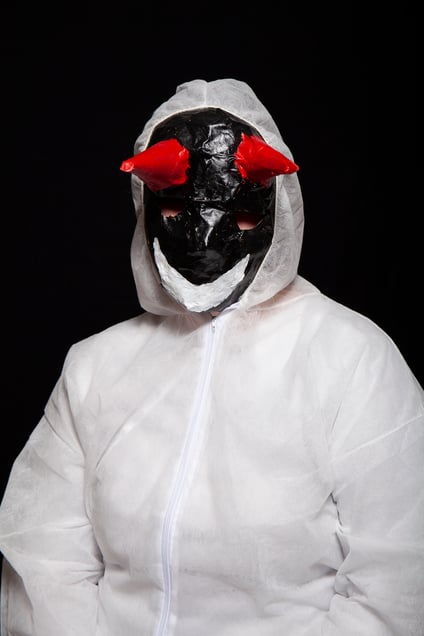
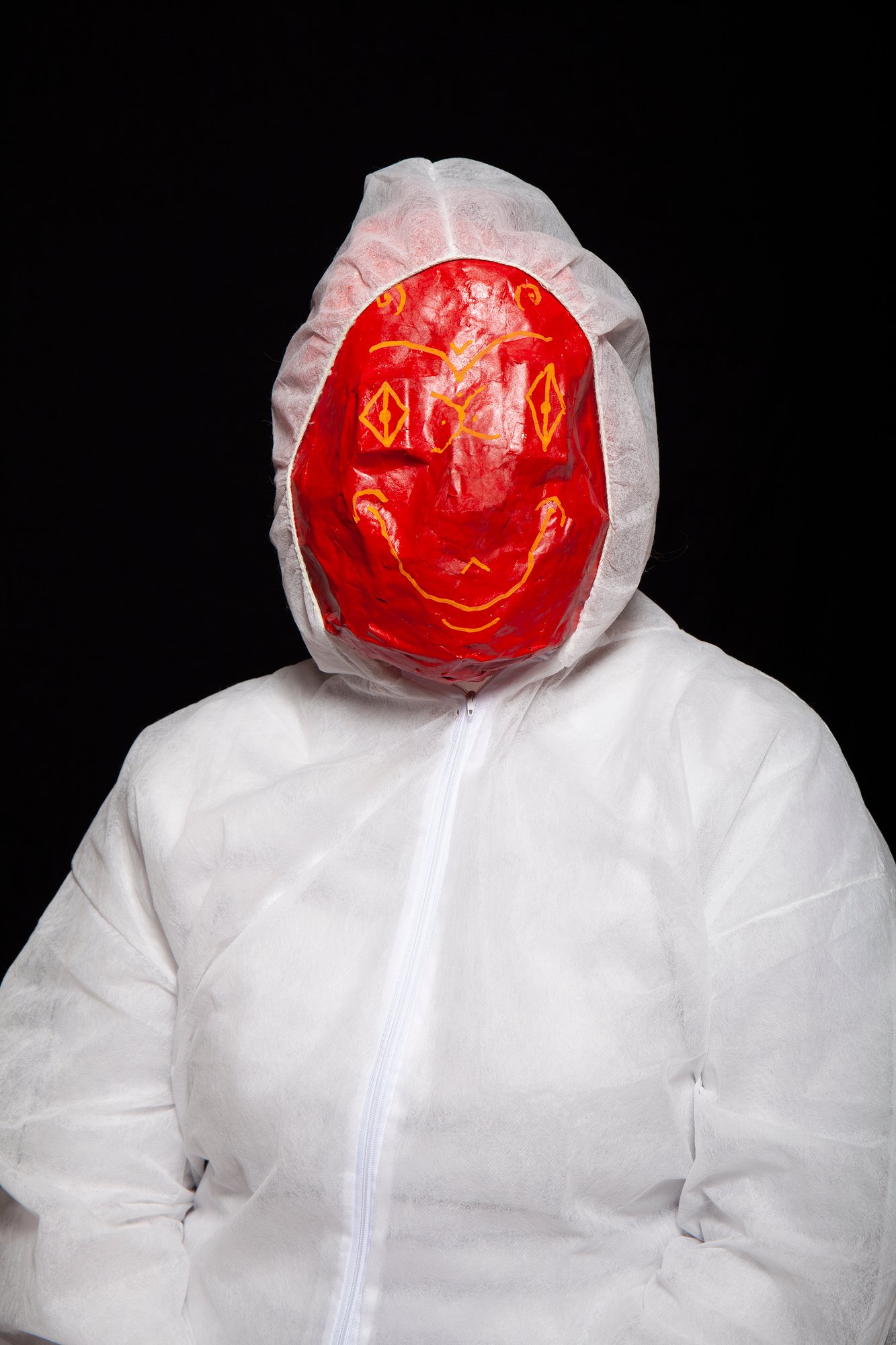
Personal Protective Equipment (PPE) refers to the specialized gear worn by healthcare professionals to safeguard themselves against highly infectious pathogens such as Ebola, Marburg virus, and COVID-19. This project, along with the accompanying body of work, was developed during the early stages of the COVID-19 pandemic and its associated lockdowns. During this period, images of medical personnel in full hazmat suits saturated the media, contributing to widespread public anxiety and fear. The sudden global demand for protective gear, driven by both healthcare systems and individuals outside the medical profession, led to a significant shortage of PPE—particularly face masks. Humans have worn masks for millennia; they are embedded in our collective psychological and cultural history. Across the world, traditional mask rituals display striking similarities despite originating in diverse communities. Throughout history, masks have served numerous purposes, including participation in religious ceremonies, community celebrations, and warfare. They have been used to convey spiritual presences during initiation rites and funerary practices, with some masks believed to represent ancestral spirits and others associated with esoteric or secret societies. In contemporary cinema, the use of masks has become a pervasive stylistic device, appearing in nearly every horror film as a means to heighten suspense, obscure identity, and evoke deeper psychological fears. During the bubonic plague epidemics that devastated Europe, plague doctors adopted early forms of Personal Protective Equipment to shield themselves from infection. Their now-iconic attire included ominous, animal-like masks designed to keep contaminated air at bay. This body of work is also intended to function as an homage to this period of social history. The images in the PPE-19 project depict figures dressed in hazmat suits and wearing masks fashioned from cabbages, handmade materials, and found objects. Historically, cabbages were believed to possess medicinal properties, particularly for treating chest infections and respiratory difficulties, making their inclusion a symbolic reference to earlier healing practices. The floral elements that appear in the backgrounds of some images pay homage to the plague doctors’ beaked masks, which were typically filled with dried flowers, herbs, and laudanum. These aromatic substances were thought to provide protection against airborne contagion. The PPE-19 project explores both the historical and contemporary significance of protective masks—from plague-era garments to modern hazmat gear. Created entirely within the constraints of my apartment during lockdown, the project reflects on continuity and change in the ways humans protect themselves from disease.
No categories selected
Photos (15)