Purim in B'Nei Barak, Israel
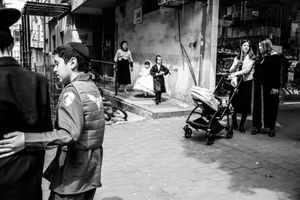
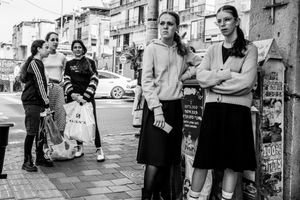
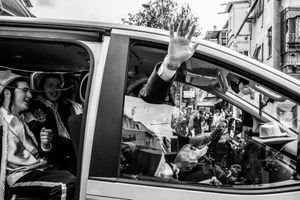
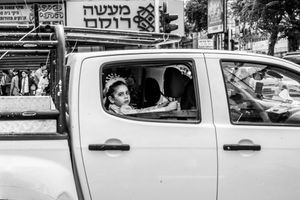
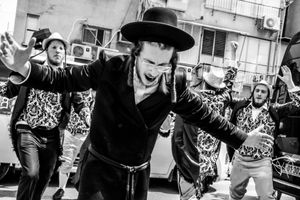
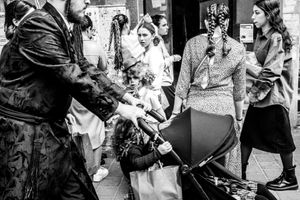
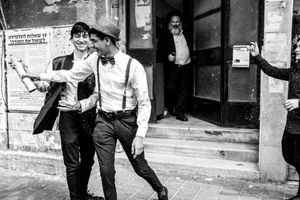
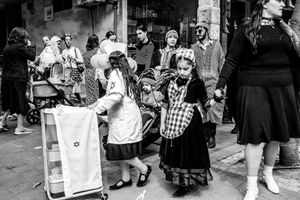
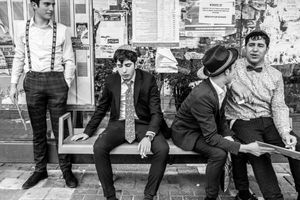
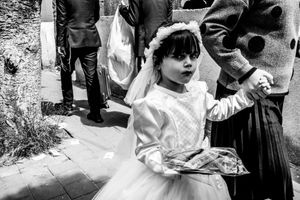
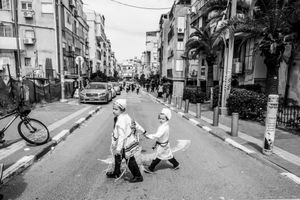
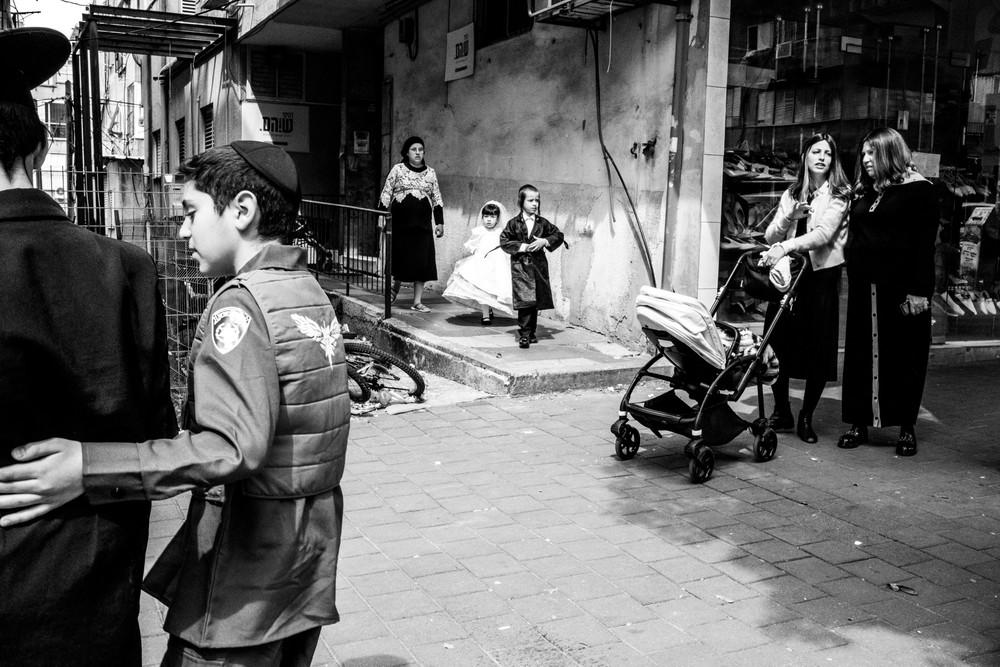
This past March, I traveled to Israel to visit family and friends, coinciding with the festive holiday of Purim. Celebrated by both secular and religious Jews, Purim commemorates the salvation of the Jews in ancient Persia from a plot to annihilate them. Traditionally, it’s a joyous holiday, with people dressing up in costumes and drinking to the point of not being able to distinguish between ‘cursed is Haman’ and ‘blessed is Mordechai,’ as the Talmud prescribes. My trip took me to B’nei Brak, a deeply religious city east of Tel Aviv, known for its predominantly Ultra-Orthodox Jewish population. I was curious to see how the Purim celebrations would play out against the backdrop of the ongoing war. While some events in Tel Aviv were canceled and celebrations much more subdued, what struck me most in B’nei Brak had little to do with the conflict and much more to do with the community's deep-rooted gender dynamics. In B’nei Brak, tradition and religious observance dominate everyday life. Gender roles are sharply defined, with men mostly focused on religious study and leadership while women handle household management and childcare, alongside fulfilling their own religious duties. During Purim, these roles remain intact. Men are visible in the public sphere, celebrating openly, often drinking heavily as per tradition, while women are largely behind the scenes, preparing meals, giving charity, and dressing their children in costumes. As I edited the photos, a striking pattern emerged: while the men and boys were at the forefront of the celebration, often animated and joyous, many women and girls appeared distant, introspective, or even detached. This stark contrast in demeanor was evident across the images. Little girls were predominantly dressed in traditional "female" costumes, such as brides, reflecting the gendered expectations of their roles. Through this series, I uncovered deeper layers of social structure and cultural expectations in this religious enclave. Even during a shared celebration like Purim, the strict division of public and private roles between men and women persisted, offering a glimpse into the nuanced and complex lives of women in this deeply traditional community.
No categories selected
Photos (11)