The Longest Way Home
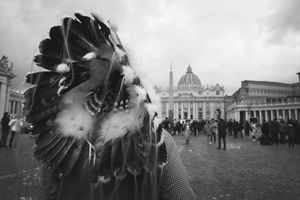
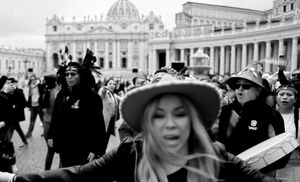
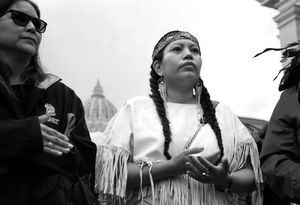
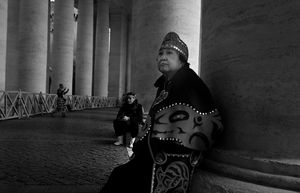
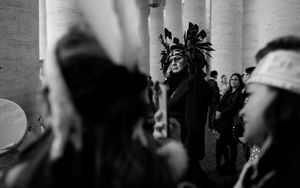
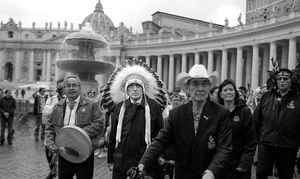
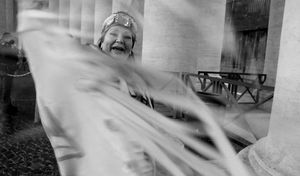
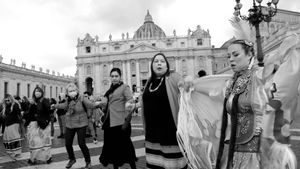
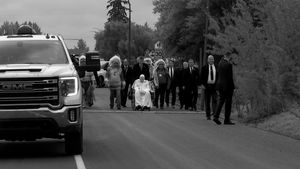
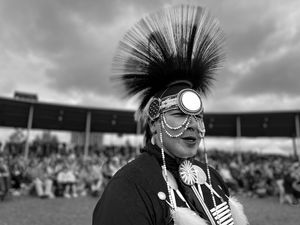
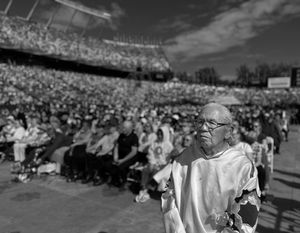
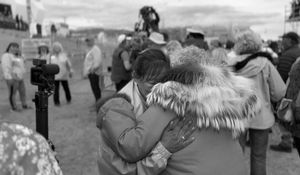
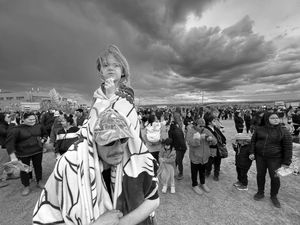
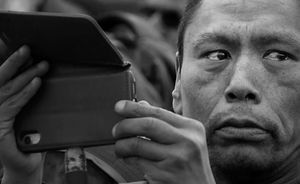
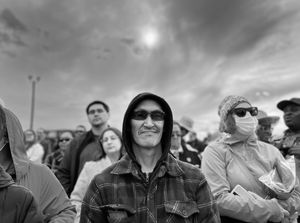
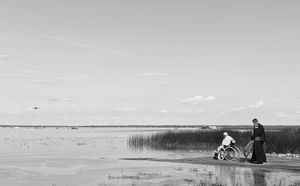
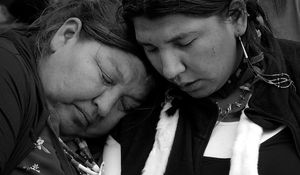
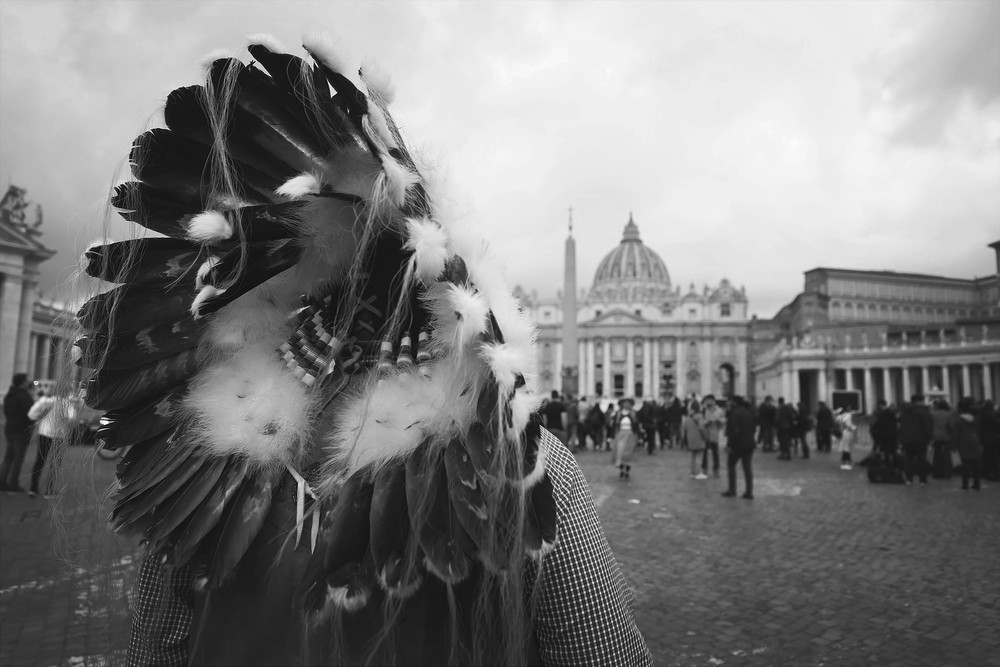
The Longest Way Home is a story about roots. About their fragility and about their resilience. It is the story of an attempt to destroy a people's roots and of how these people managed, against all odds, to somehow keep them alive. A minuscule - but significant - chapter of the tragic history of Colonialism. The Residential schools were conceived to uproot Native Canadian children from their families, teach them to forget their identity, their language, their beliefs. This to ''assimilate'' them into modern Canada. The trauma this caused was very deep and passed on from generation to generation. Yet, those who did no succumb resisted. They more than survived. They cherished their roots like a feeble flame in a storm and kept them alive. And - as I saw them - they had crossed the Ocean to ask the head of the Catholic Church to apologize for the role of his predecessors in this tragedy. It was quite something to see members of the First Nation, Metis and Inuit peoples, proud in traditional costumes, waiting quietly under St.Peter’s colonnade for their leaders to come out from meeting the Pope. Pope Francis said: ''I am sorry''. The Indigenous leaders - however - demanded he come and apologize on their ancestral lands. Only a few months later, the ageing Pontiff, despite a fractured knee making his every move an agony, travelled to Canada, from the desolate plains, to the sacred lakes, to the Arctic end of the world. Maybe the start of something in the scarred lands.
No categories selected
Photos (20)