Survivors of Death Row
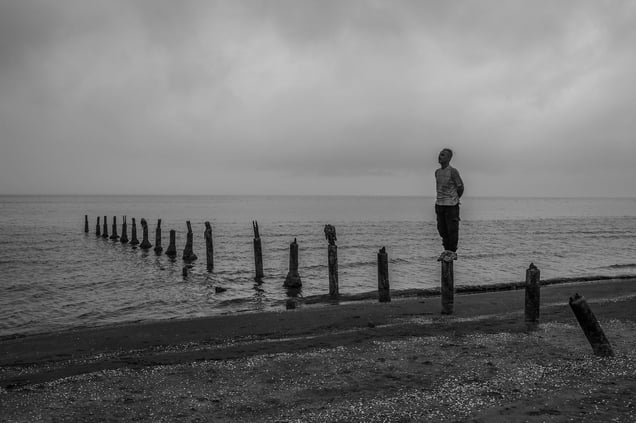
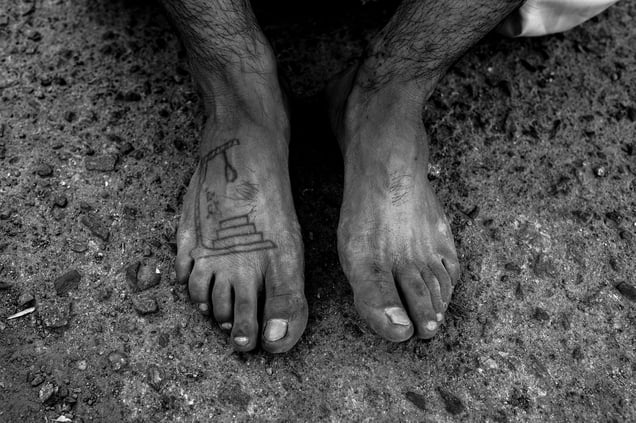
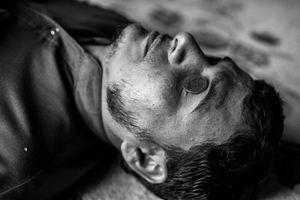
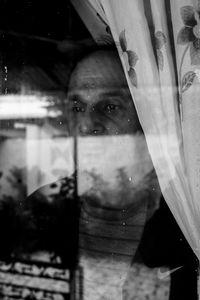
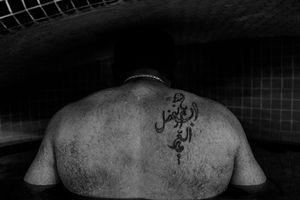
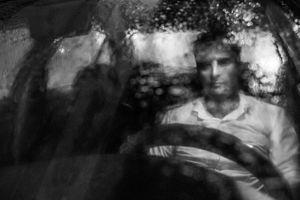
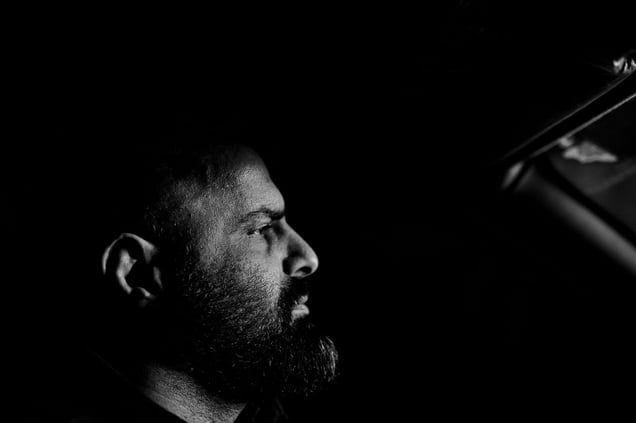
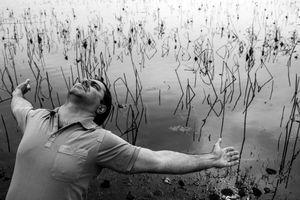
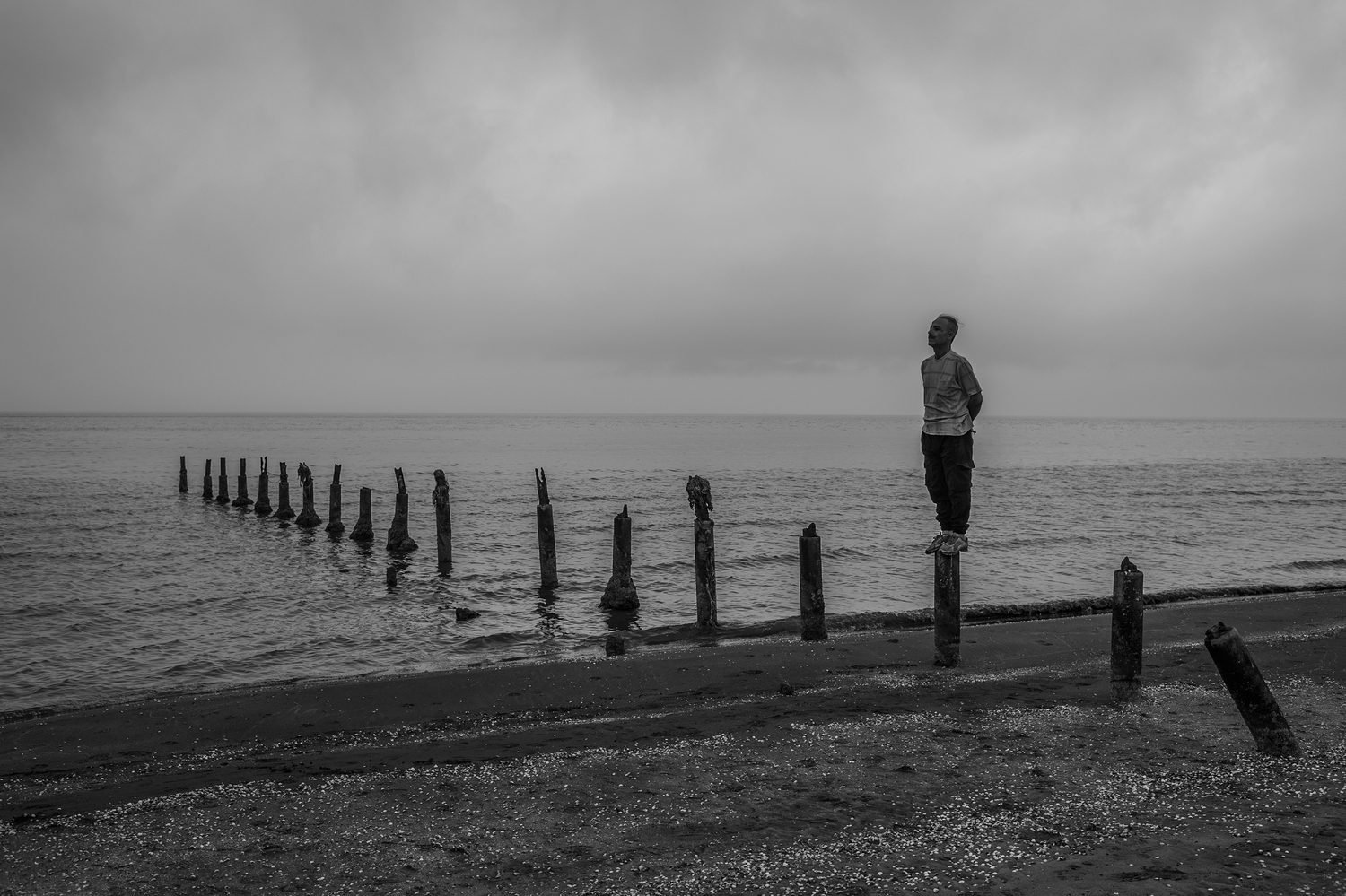
Iran’s legal system can be seen as something of a paradox as it concerns the death penalty. Iran is one of the few countries where capital punishment is practiced broadly and consistently by the judicial system as retribution, rooted in the Islamic canon of law. Yet the same judicial system strives, sometimes, to save the convicts from death. Those portraits show people who were each imprisoned on death row for years after being convicted of murder, but then ultimately set free after they paid for their freedom and the victims’ families forgave them. The series intends to open a window to the illusive world of those saved from death. ___ Gisas is an Islamic principle that translates to “retribution in kind”. Under this principle, the victim’s heirs can seek the death penalty, or instead forgive and request “blood money,” in which case the judge can sentence the accused to up to ten years in prison. The official government rate for blood money for an adult male is around $18,000 USD, but families can ask for any amount they want. Many of the accused’s families cannot afford those payments—GDP per capita was just $2,756.7 in Iran in 2020. Convicted murderers and drug dealers constitute the bulk of death penalties in Iran. Such decrees take a unique form: death by hanging. Death sentence generally takes years, meaning the accused person lives in the harrowing shadow of death moment to moment, unaware of the time of execution. Yet, at the end of the day, death is not the fate of all the convicts by qisas. Those who succeed in compensating the next of kin – who have the right to qisas – will be able to experience freedom again. Still, acquiring the consent of the next of kin is a poignantly tough ordeal in and of itself. There are a number of ways to revoke the death sentence. One is that the next of kin – that is, the complainants – might forfeit their right to qisas based on their personal moral or religious beliefs. Another is that social workers and judicial officers might succeed in persuading the next of kin to forego their right to qisas. Still another way is proposing to pay a certain amount of money to the complainants – whatever they demand! – so that the death sentence will be revoked. The idea of my photographic project regarding the ones saved from the gallows came to me as I was on an exploratory trip from the east of Iran to its north, while staying in a minor port city by the Caspian Sea. I was talking to a social worker in an art gallery. From discussing the influence of art on society and reducing harms and sufferings, our conversation turned to the social life of the convicts, the prison and the imprisoned, the condemned to death and ultimately the pardoned. After that meeting, my mind became engaged with this: the countenance of those escaping death so dreadfully... How could it be? What is their image today in the crowded frame of society? What does the one who has been awaiting death for years think at that inevitable moment? How do they look at death and life? What do they want to say? When one knows that one would die consciously and in a determined way, not as a result of old age, illness or accident, when one is mentally and emotionally immersed in death, how does one see the world?
No categories selected
Photos (10)